

Wondering when the best time is to plant tomato plants in California? Picture this: you’re eager to start your garden, but unsure about the ideal timing for those juicy tomatoes to thrive. That’s where we come in – offering straightforward guidance on when to get those plants in the ground.
In this article, you’ll discover the precise window of opportunity for planting tomato seedlings in California. No need for guesswork or confusion; we’ve got you covered with practical tips and insights that will ensure your tomato plants have a strong start. Get ready to elevate your gardening game and enjoy a bountiful harvest by knowing exactly when to kick off your tomato planting journey.
Key Takeaways
- Understand California’s planting zones to choose the right tomato varieties for your area.
- Consider climate variability across the state when determining the best time to plant tomatoes.
- Check the USDA Zone Chart for California to select tomato plants suitable for your specific zone.
- Plant tomato seedlings in California when soil temperatures are consistently above 60°F and all frost risks have passed.
- Prepare the soil by choosing a sunny location with good drainage and enriching it with compost before planting tomatoes.
- Care for your tomato plants by watering them consistently, feeding them balanced fertilizer, practicing disease prevention, and pest control measures.
Understanding California’s Planting Zones
California’s diverse climates are divided into various planting zones, each with its unique characteristics. Understanding these zones is crucial for successful gardening.
Climate Variability Across the State
In California, the climate varies significantly from region to region. Coastal areas experience milder temperatures due to ocean influences, while inland valleys can have hotter summers and colder winters. Mountainous regions may have their microclimates, affecting plant growth.
USDA Zone Chart for California
The USDA (United States Department of Agriculture) has developed a zone chart that divides regions based on their average annual minimum winter temperature. This chart helps gardeners determine which plants are suitable for their specific zone in California. By referencing this chart, you can select tomato varieties that thrive in your particular area and ensure a successful harvest.
Best Time to Plant Tomato Plants in California
When planning your tomato garden in California, knowing the ideal months for planting is crucial for a successful harvest. Here are some key factors to consider:
Recommended Products

PRECISE SOIL TEMPERATURE READINGS: Measures soil temperatures from 20 degrees F to 180 degrees F (0 degrees C to 80 degrees C) with a large, easy-to-read analog dial face - no batteries or digital screens needed for reliable results every time

Easy-to-read green, yellow, and red tick marks for easy monitoring
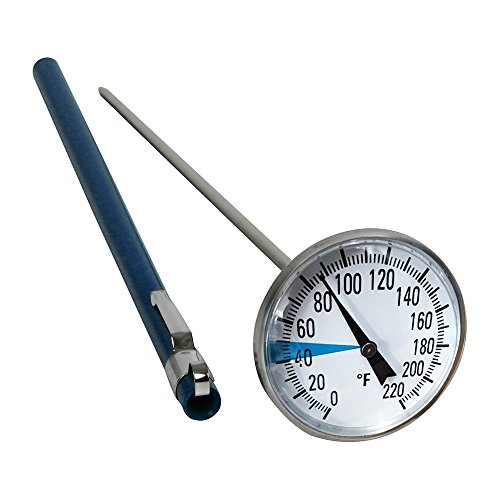
PRACTICAL SOLUTION - While other Soil Thermometers can’t tell the correct temperature, fogs up, and get broken easily, our soil thermometer has high precision performance, high-visibility, and is designed to last
Ideal Months for Planting
In California, the best time to plant tomato plants varies depending on the region you’re in. Generally, March through May is an optimal period for planting tomatoes in most parts of the state. Coastal areas with milder climates might see earlier planting times, while inland and mountain regions may need to wait until later in spring.
Factors Influencing Planting Time
Several factors influence the timing of planting tomato plants in California:
- Climate Zones: California’s diverse climate zones affect when it’s best to plant tomatoes. Check your specific USDA Hardiness Zone to determine the suitable planting window for your area.
- Temperature: Tomatoes thrive in warm soil, so ensure that the soil temperature is consistently above 60°F (15°C) before transplanting seedlings outdoors.
- Frost Risk: Be cautious of late frosts which can damage young tomato plants. Wait until all risk of frost has passed before planting them outside.
- Growing Season Length: Consider the length of your growing season when deciding when to plant tomatoes as they require a certain number of days to mature and produce fruit.
By understanding these factors and considering your local conditions, you can determine the best time to plant tomato plants in California for a bountiful harvest.
Preparing for Tomato Planting
When it comes to preparing for planting your tomato plants in California, there are a few key steps you should follow to ensure a successful harvest.
Recommended Products

PREMIUM INGREDIENTS: This specifically crafted organic compost blend provides a lightweight potting mix that supports abundant growth of tomatoes and vegetables.


Package contains 6 pounds organic soil de-acidifier grains and is produced to avoid wasteful runoff, mess, hazards and smells
Soil Preparation
Before planting your tomato seedlings, it’s crucial to prepare the soil properly. Start by choosing a sunny spot with well-draining soil. Clear the area of any debris or weeds that could hinder the growth of your tomatoes. You can also enrich the soil with compost or organic matter to provide essential nutrients for your plants.
Choosing the Right Tomato Varieties
Selecting the right tomato varieties is essential for a successful harvest in California. Consider factors such as taste preference, disease resistance, and growth habit when choosing which tomatoes to plant. Some popular tomato varieties that thrive in California include Early Girl, Celebrity, and Sun Gold. Choose varieties that are well-suited to California’s climate and growing conditions for optimal results.
By following these steps and selecting suitable tomato varieties, you’ll be well on your way to a bountiful tomato harvest in California.
Care and Maintenance of Tomato Plants
After planting your tomato seedlings in California, it’s crucial to understand how to care for and maintain them properly. Here are essential tips to ensure a successful tomato harvest.
Recommended Products

Contains natural ingredients to feed microbes in the soil

ORGANIC PLANT FOOD: This liquid fertilizer for tomatoes & vegetables provides nutrients to ensure superior results.

Package contains 18 tomato fertilizer spikes and are produced to avoid wasteful runoff, mess, hazards and smells
Watering and Feeding
Water your tomato plants consistently, keeping the soil evenly moist but not waterlogged. Aim to provide around 1-2 inches of water per week, adjusting based on weather conditions. Mulching around the plants can help retain moisture and reduce watering frequency.
When it comes to feeding your tomato plants, use a balanced fertilizer with equal parts nitrogen, phosphorus, and potassium. Start fertilizing when the first fruits appear and continue every 2-3 weeks throughout the growing season. Avoid over-fertilizing as it can lead to excessive foliage growth at the expense of fruit production.
Disease and Pest Control
To prevent diseases in your tomato plants, practice crop rotation each year if possible. This helps reduce the build-up of soil-borne pathogens that can affect plant health. Additionally, avoid overhead watering to minimize splashing that can spread diseases.
For pest control, regularly inspect your plants for common pests like aphids, hornworms, or whiteflies. Consider using natural predators like ladybugs or introducing companion plants like marigolds that repel pests. If necessary, you can use organic insecticidal soap or neem oil as a targeted treatment option.
By following these care and maintenance practices for your tomato plants in California, you’ll be on your way to enjoying a plentiful harvest of delicious tomatoes.
Conclusion
You’re now equipped with the knowledge to plant and nurture thriving tomato plants in California. By focusing on soil preparation, variety selection, watering, feeding, disease prevention, and pest control, you can set yourself up for a successful harvest. Remember to maintain consistent care practices like regular watering, balanced fertilization, crop rotation for disease prevention, and implementing effective pest control strategies. With these steps in mind, you’ll soon be enjoying a plentiful supply of delicious homegrown tomatoes from your garden in California.
Frequently Asked Questions
1. What is the key to successfully planting tomato seedlings in California?
To successfully plant tomato seedlings in California, focus on soil preparation, choose suitable tomato varieties, and follow watering and feeding tips.
2. How can I ensure proper care for my tomato plants?
Proper care involves consistent watering, balanced fertilization, disease prevention through crop rotation, and implementing pest control measures.
3. Why is soil preparation important for growing tomatoes in California?
Soil preparation is crucial as it provides essential nutrients for healthy plant growth and helps with water drainage to prevent root diseases.
4. What are some common pest control measures for tomato plants?
Common pest control measures include using organic pesticides, introducing beneficial insects like ladybugs, and regularly inspecting plants for early detection of pests.
