

Have you ever wondered how much space your tomato plants really need to thrive? Picture this: you’re eager to grow juicy, ripe tomatoes in your garden, but you’re unsure about the ideal spacing for optimal growth. Understanding the space requirements for tomatoes is key to a bountiful harvest.
In this article, we’ll explore the importance of giving your tomato plants adequate room to spread their roots and flourish. By learning about the space needed for tomatoes to grow successfully, you’ll be equipped with valuable insights to nurture healthy plants and enjoy a plentiful yield. Let’s delve into the world of tomato cultivation and discover the secrets to maximizing your garden space for vibrant, fruitful tomatoes.
Key Takeaways
- Proper spacing between tomato plants is crucial for optimal growth, ensuring they receive sufficient sunlight, air circulation, and nutrients.
- Recommended spacing varies based on the tomato variety: determinate types need 12-24 inches apart, while indeterminate types require 24-36 inches between plants.
- Factors like plant type, growing conditions (sunlight, air circulation, soil quality), and environment influence the space needed for tomatoes to thrive.
- Techniques such as vertical gardening and companion planting can help maximize garden space effectively for growing healthy tomatoes.
- Common mistakes to avoid include crowded planting, neglecting air circulation, ignoring support structures, inconsistent watering, and overlooking sunlight requirements.
Understanding Tomato Plant Spacing Requirements
When growing tomatoes, understanding the space requirements is crucial for their successful growth and a bountiful harvest. Giving your tomato plants adequate room to spread their roots ensures they can flourish and produce healthy fruits. By learning about the space needed for optimal tomato growth, you’ll be equipped with valuable insights to nurture robust plants and enjoy a plentiful yield.
Why Spacing Matters
Proper spacing between tomato plants plays a vital role in ensuring they receive sufficient sunlight, air circulation, and nutrients from the soil. When plants are overcrowded, they compete for these essential resources, leading to stunted growth, increased susceptibility to diseases, and lower yields. Adequate spacing allows each plant to thrive independently without being overshadowed by neighboring plants.
Recommended Spacing for Optimal Growth
The recommended spacing for tomato plants varies depending on the variety you’re growing. A general guideline is to space determinate tomatoes (bush types) around 12-24 inches apart in rows that are 24-36 inches apart. Indeterminate tomatoes (vining types) typically require more space due to their sprawling nature; aim for 24-36 inches between plants and 36-48 inches between rows.
Ensuring proper spacing not only promotes healthier plants but also facilitates easier maintenance tasks such as watering, pruning, and pest control. Additionally, adequate airflow around each plant reduces humidity levels, minimizing the risk of fungal diseases that thrive in damp conditions.
By following these recommended spacing guidelines based on your tomato variety, you’ll create an environment where your plants can thrive and reward you with an abundant harvest of delicious tomatoes.
Factors Influencing Tomato Plant Space Needs
When it comes to determining the space needed for your tomato plants, several factors come into play. Understanding these influences will help you optimize the growth and yield of your tomatoes.
Recommended Products
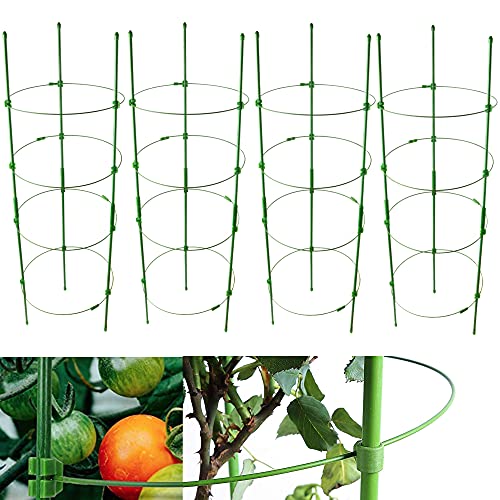
【4 Packs Tomato Cages】 Each one is 36 in high × 4 pcs 11-in wide rings. Adjust the height or width to match plant growth, giving vines/tomatoes space to climb upright. Prevents tangling and boosts plant health.
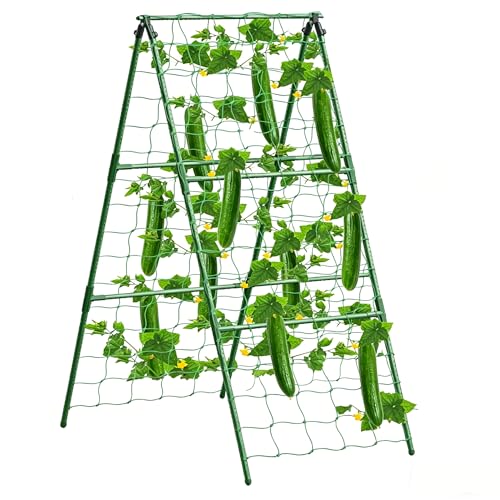
【Package included】:This Trellis for Climbing Plants Outdoor comes complete with everything you need to get started: 17pcs metal stakes, 8pcs T shape connect pipe, 2 A-shaped connectors, and a 0.9x1.8meter plant net.

PLASTIC MATERIAL: The plant support clips are made of plastic. 1.2 inch (30 mm) middle diameter. Smooth surface without burr. The clamps are durable, and the middle joint is folded repeatedly and not easy to break, which can be reused.
Types of Tomato Plants
Different types of tomato plants have varying space requirements due to their growth habits.
- Determinate Tomatoes: These compact varieties grow to a certain height and produce fruit within a defined period. They typically require around 12-24 inches of space between plants.
- Indeterminate Tomatoes: Known for their vining growth habit, indeterminate tomatoes continue to grow and produce fruit throughout the season. To accommodate their sprawling nature, you should plant them with 24-36 inches of space between each plant.
Growing Conditions and Environment
The environment in which you grow your tomatoes can impact the spacing needed for optimal growth.
- Sunlight: Ensure your tomato plants receive adequate sunlight based on their specific needs. Insufficient light may result in leggy growth, requiring more space between plants for proper air circulation.
- Air Circulation: Good airflow helps prevent diseases like powdery mildew. Properly spaced plants allow air to move freely around them, reducing the risk of fungal issues.
- Soil Quality: Healthy soil provides essential nutrients for robust plant development. Adequate spacing ensures each plant has access to sufficient nutrients without competing with neighboring plants.
By considering these factors when planning your tomato garden, you’ll create an ideal environment that supports healthy growth and abundant harvests.
Methods to Maximize Space in Your Garden
When it comes to optimizing space in your garden for growing tomatoes, there are various methods you can employ to make the most of the available area. Here are some practical techniques to help you maximize space effectively:
Recommended Products

【New generation Plant Support Cage】Different from other tomato trellis, LOMNYIY tomato support cage have the newest plug-in connection, and unique double-layer metal tube built-in interface design to stay together tighter and more stable. And the poles are very hard with a metal core, yet are coated entirely in plastic to keep them from rusting, and the heat dissipation is good. It means strong durable performance can hold up in the wind with heavy tomato plants in them.

【Pack of 20】: The tomato hooks can be used alone or with truss brackets, place the tomato hook at the suitable place on the vegetable, vertical drop the rope, the vine will grow around the rope.

🌑[Plant Growth Support]:Garden plant trellis are committed to helping your indoor for potted plants and adds to the natural beauty. As plants grow, the houseplant trellis takes the form of a ladder to help your plant climbing and growing.
Vertical Gardening
Vertical gardening is a smart way to grow tomatoes when space is limited. By utilizing trellises, stakes, or cages, you can train your tomato plants to grow upwards instead of sprawling outwards. This method not only saves ground space but also allows for better air circulation around the plants, reducing the risk of diseases.
Tips for Vertical Gardening:
- Use sturdy supports like metal or wooden stakes to ensure they can bear the weight of growing tomato plants.
- Regularly prune and tie up your tomato vines as they grow taller to encourage upward growth.
- Consider using fabric or Velcro plant ties that are gentle on your plants while providing adequate support.
Companion Planting
Companion planting involves strategically placing different plant species near each other to maximize space and enhance growth. When it comes to tomatoes, certain companion plants can help repel pests, attract beneficial insects, and improve soil health.
- Basil: Planting basil near tomatoes can improve their flavor and repel pests like aphids and hornworms.
- Marigolds: Marigolds release chemicals that deter nematodes from attacking tomato roots, making them excellent companions.
- Nasturtiums: These flowers act as a trap crop, luring aphids away from your tomato plants while adding color to your garden.
Common Mistakes in Tomato Plant Spacing
When it comes to growing tomatoes, avoiding common mistakes in plant spacing is crucial for a successful harvest. Incorrect spacing can lead to overcrowding, poor air circulation, and reduced sunlight exposure, impacting the overall health and yield of your tomato plants. Here are some key mistakes to watch out for:
- Crowded Planting: Planting tomatoes too close together can result in overcrowding as they grow. This leads to competition for resources like nutrients and water, making it difficult for each plant to thrive. Ensure proper spacing between tomato plants based on their variety (determinate or indeterminate) to allow adequate room for growth.
- Neglecting Air Circulation: Lack of sufficient space between tomato plants hinders proper air circulation, creating a favorable environment for diseases like blight and mold to spread. Adequate airflow helps dry foliage quickly after rain or watering, reducing the risk of fungal infections.
- Ignoring Support Structures: Failing to provide support structures such as stakes or trellises for indeterminate tomato varieties can result in sprawling growth that takes up excessive horizontal space. Vertical support not only saves space but also promotes healthier plants by keeping fruits off the ground.
- Inconsistent Watering: Inappropriately spaced tomato plants may receive water unevenly if some are too close or far from irrigation sources. Consistent watering is essential for uniform growth and fruit development across all plants in your garden.
- Overlooking Sunlight Requirements: Improper spacing can lead to shading issues where taller plants block sunlight from reaching shorter ones. Tomatoes require adequate sunlight for photosynthesis and fruit ripening, so ensure each plant has access to the necessary amount of light throughout the day.
By avoiding these common mistakes in tomato plant spacing, you’ll create an optimal environment for your plants to flourish and produce a plentiful harvest of delicious tomatoes.
Conclusion
Now that you understand the essential factors for proper tomato plant spacing, you’re ready to create an ideal environment for your tomatoes to thrive. By considering determinate versus indeterminate varieties, maximizing sunlight exposure, ensuring adequate air circulation, and utilizing companion planting techniques, you can set the stage for a successful harvest. Avoiding common mistakes like overcrowding, neglecting support structures, and inconsistent watering will help your tomato plants reach their full potential. With these insights in mind, you’re well-equipped to cultivate healthy tomato plants and enjoy a plentiful yield in your garden. Happy gardening!
Frequently Asked Questions
What are determinate and indeterminate tomato plant varieties?
Determinate tomatoes grow to a certain height and produce fruit within a specific timeframe. Indeterminate tomatoes keep growing taller and producing fruit until frost.
Why is sunlight important for tomato plants?
Tomatoes need at least 6-8 hours of direct sunlight daily for optimal growth, flower production, and fruit development.
How does air circulation benefit tomato plants?
Good air circulation helps prevent diseases like blight, improves pollination, and strengthens plant stems.
Which companion plants work well with tomatoes?
Basil repels pests, marigolds deter nematodes, and nasturtiums attract beneficial insects when planted near tomatoes.
What are common mistakes in tomato plant spacing?
Common mistakes include overcrowding plants, neglecting proper support structures, inconsistent watering, and inadequate sunlight exposure.
