

Are you eager to enjoy fresh, crisp lettuce from your garden? Timing is everything when it comes to planting this leafy green. If you plant too early or too late, you might miss out on that delicious harvest.
Key Takeaways
- Optimal Planting Times: Plant lettuce outdoors in early to mid-April for spring crops and late July to early August for fall harvests to ensure plants mature before frost.
- Know Your Varieties: Different lettuce types, such as Butterhead, Romaine, Leaf, and Iceberg, have specific growing season preferences that affect planting timing.
- Ideal Growing Conditions: Lettuce thrives in cool temperatures, ideally between 60°F and 70°F, and requires well-drained, fertile soil with a pH of 6.0 to 7.0.
- Garden Preparation: Clear debris, amend soil with organic matter, and choose a location that receives 6-8 hours of sunlight to create the best environment for lettuce growth.
- Consistent Care: Maintain consistent soil moisture and monitor for pests to promote healthy lettuce plants and enhance flavor and texture.
- Seasonal Adjustments: Always check local frost dates and adjust your planting schedule accordingly to maximize yield and prevent crop loss.
Understanding Lettuce Growth Cycles
Lettuce growth cycles play a crucial role in determining when to plant outdoors. Understanding these cycles helps you maximize your lettuce yield.
Types of Lettuce Varieties
Different lettuce varieties thrive in various conditions. Knowing what type you want to grow helps you decide when to plant. Here are common varieties:
- Butterhead: This lettuce prefers cooler temperatures and grows well in spring and fall.
- Romaine: Ideal for cooler weather, romaine can be planted in early spring and again in late summer.
- Leaf Lettuce: Quick to mature, leaf lettuce can be planted in early spring and again in late summer for a continuous harvest.
- Iceberg: Requires longer growing seasons, so plant iceberg in early spring or late summer for fall harvests.
Each variety has specific temperature preferences. Check your local climate to select the best type for your garden.
Seasonal Considerations
Seasons significantly impact lettuce growth. Lettuce is a cool-weather crop, meaning temperatures between 60°F and 70°F are ideal. Plant your seeds or transplants based on the following seasonal cues:
- Spring: Start planting as soon as the ground is workable. Early to mid-April is often perfect for many regions.
- Fall: For a fall crop, plant seeds in late July to early August. This timing allows plants to mature before the first frost.
Monitor your local frost dates. Adjust your planting schedule based on these dates for successful growth.
Ideal Planting Times
Timing plays a vital role in planting lettuce for a successful harvest. Here’s when to consider planting in spring and fall.
Recommended Products
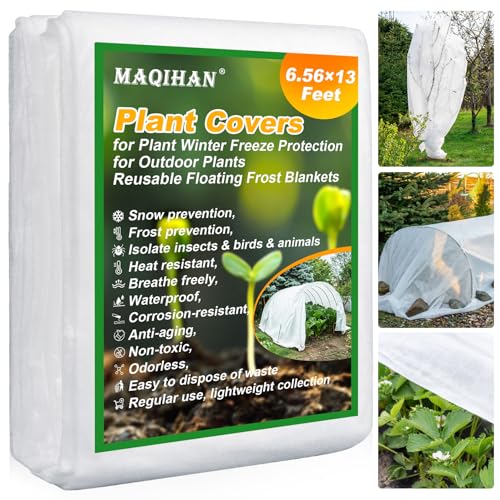
Product Features: Our plant covers are ideal for protecting all plant. Made from premium 1 oz/sq non-woven fabric, their durability and breathability ensuring both insulation against frost and facilitation of sunlight penetration for healthy plant growth
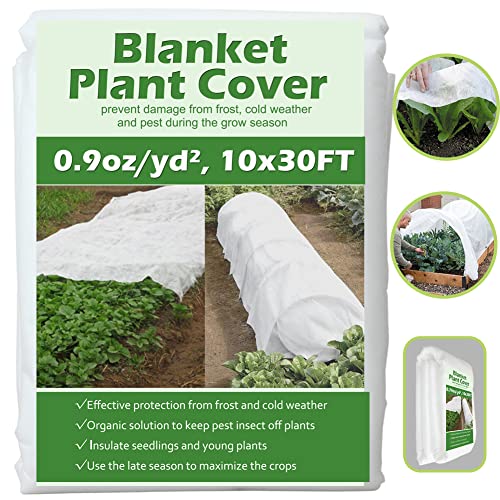
※Big Size to cover large area : The size of our plant cover is 10x30ft, the size can cover large areas. You can cut the plant covers freeze protection into different sizes for different use. You can cover it over the plant such as shrub tomato, pepper, pumpkin, and so on.

Comprehensive Winter Protection for Your Garden: Our outdoor plant covers provide complete freeze protection for strawberries, vegetables, tomatoes, fruit trees, citrus plants, shrubs, and potted plants throughout the winter. This frost cloth plant freeze protection shields delicate plants from sudden temperature drops, frost, and strong winds, ensuring they survive harsh winter conditions. Ideal for those looking for frost blankets for outdoor plants and reliable plant freeze protection covers.
Spring Planting
Start planting lettuce in early to mid-April, as soon as the ground is workable. Lettuce prefers temperatures between 60°F and 70°F. A soil temperature of around 45°F is suitable for germination. For a continuous harvest, consider sowing seeds every two weeks. Use row covers for protection against unexpected frost. Leaf varieties, such as Butterhead and Romaine, thrive well during this period.
Fall Planting
Begin fall planting in late July to early August. This schedule allows your lettuce to mature before the first frost. Choose fast-maturing varieties to ensure they grow adequately. Monitor local frost dates, as they vary by region. Planting in shaded areas may prolong the growing season. For added protection during cooler nights, consider using cold frames or row covers. Try to space the seeds correctly for optimal air circulation and growth.
Preparing Your Garden
Preparing your garden sets the foundation for a successful lettuce crop. Focus on soil preparation and selecting the right location to enhance growth and yield.
Recommended Products

Quick, at home results for Soil pH, Nitrogen, Phosphorous and Potash Innovative and inexpensive soil test kit features an easy-to-use capsule system and patented color comparators

Accurate Soil pH Testing: Dewildetradingco Soil pH Test Strips offer measurements of soil pH levels (pH 3.5-9). As an essential tool for every gardener and grower, these test strips help determine the optimal pH for various plants, such as outdoor plants, indoor plants, gardens, grass lawns, fruit trees, flowers, vegetables, and forest shrubs.

Kindly NOTE: This soil tester can not be applied to test pH value of any other liquid. If the soil is too dry the indicator will not move, and water it before testing.
Soil Preparation
Ensure your soil is rich and well-drained. Test the soil pH, aiming for a range between 6.0 and 7.0, optimal for lettuce.
- Clear Debris: Remove rocks, weeds, and any old plant material from your planting area.
- Amend Soil: Mix in compost or well-rotted manure to improve soil fertility and structure. Aim for at least 2 inches of organic matter.
- Till the Soil: Use a garden fork or tiller to break up the soil to a depth of 12 inches. This promotes aeration and good drainage.
- Level the Surface: Rake the soil until it’s smooth, ensuring proper seed placement and consistent watering.
Choosing a Planting Location
Select a spot that meets lettuce’s growing requirements. Focus on the following factors:
- Sunlight: Choose a location that receives 6 to 8 hours of sunlight daily. Partial shade during the hottest part of the day can prevent bolting.
- Shade Options: Consider using taller plants or structures to provide afternoon shade, especially in warmer regions.
- Drainage: Ensure the area has good drainage to prevent waterlogged roots. If you notice standing water after rain, consider raised beds or mounds.
- Accessibility: Make sure your chosen spot is easily accessible for watering and harvesting. A convenient location saves time and effort.
Following these steps creates an optimal environment for your lettuce to thrive.
Caring for Your Lettuce
Caring for your lettuce ensures a vibrant, healthy crop. Regular attention to watering and pest management promotes growth and helps you achieve the best flavor and texture.
Watering Needs
Watering’s key to successful lettuce growth. Maintain consistent moisture in the soil, as lettuce prefers evenly moist conditions. Water your plants thoroughly, soaking the soil to a depth of 6 to 8 inches. Aim for 1 to 1.5 inches of water weekly, adjusting based on rainfall and temperature.
Water early in the morning to minimize evaporation and reduce the risk of fungal diseases. If you notice wilting, increase your watering frequency. Be cautious not to overwater, as soggy soil can lead to root rot. Consider using a soaker hose to provide gentle, consistent moisture without disturbing the soil.
Pest Control Tips
Pest control’s essential for protecting your lettuce. Watch for common pests like aphids, slugs, and snails. Introduce beneficial insects, like ladybugs or lacewings, to help keep pest populations in check.
Use row covers to physically block pests from reaching your plants. If you spot pests, remove them by hand or spray your lettuce with insecticidal soap to eliminate them without harming your plants. Rotate your lettuce crops each season to disrupt pest cycles.
Regularly inspect the undersides of leaves for eggs or larvae. Implementing these strategies helps maintain a healthy garden and ensures a more productive lettuce harvest.
Conclusion
Timing is everything when it comes to planting lettuce outdoors. By understanding the right conditions and seasonal cues you can enjoy a bountiful harvest of fresh greens. Remember to prepare your garden well and keep an eye on the weather to protect your crops from unexpected frosts.
With a little patience and care your lettuce will thrive, providing you with delicious salads and tasty toppings throughout the growing season. Happy gardening and enjoy the crunch of your homegrown lettuce!
Frequently Asked Questions
When is the best time to plant lettuce?
Lettuce is best planted in cool weather, ideally when temperatures are between 60°F and 70°F. For spring planting, start as soon as the ground is workable, around early to mid-April. For fall crops, plant from late July to early August to ensure the lettuce matures before the first frost.
What are the common varieties of lettuce?
Common lettuce varieties include Butterhead, Romaine, Leaf Lettuce, and Iceberg. Each variety has specific temperature preferences and growth conditions, making it essential to choose the right one based on the season.
How do I prepare my garden for lettuce?
To prepare your garden for lettuce, ensure the soil is rich and well-drained with a pH between 6.0 and 7.0. Clear any debris, amend the soil with compost, till for aeration, and level the surface. Choose a location that provides 6 to 8 hours of sunlight daily.
How often should I water my lettuce?
Lettuce requires consistent watering of about 1 to 1.5 inches per week. It’s best to water early in the morning to reduce evaporation and ensure the plants have adequate moisture throughout the day.
What are some pest control strategies for lettuce?
To control pests on your lettuce, consider introducing beneficial insects, using row covers, and regularly inspecting plants for pests like aphids, slugs, and snails. Early detection and intervention can help protect your crop and maintain its health.
