

Have you ever wondered if that fresh lettuce you just picked can keep on growing after you cut it? You’re not alone! Many people are curious about the life of their greens once they leave the garden.
Key Takeaways
- Lettuce Regrowth: Certain lettuce varieties, particularly romaine and leaf lettuce, can regrow after harvesting if the base is preserved and proper care is given.
- Harvesting Techniques: Cut above the root to encourage new growth; tearing leaves can hinder regrowth. The best practice is to leave about an inch of the base intact.
- Post-Harvest Care: Providing consistent moisture, adequate sunlight (6-8 hours daily), and a balanced fertilizer supports regrowth effectively.
- Environmental Conditions: Ideal temperatures (60°F to 70°F) and controlled watering play a crucial role in promoting healthy regrowth.
- Multiple Harvests: By employing proper harvesting methods and care, home gardeners can enjoy multiple harvests from a single lettuce plant, enhancing sustainability and reducing costs.
- Nutritional and Culinary Benefits: Freshly regrown lettuce is not only cost-effective but also provides better flavor and retains higher nutrient levels compared to store-bought options.
Understanding Lettuce Growth
Lettuce growth occurs in stages. After harvesting, certain types of lettuce can exhibit regrowth if treated properly. The key factors affecting this process include the variety of lettuce, the method of harvesting, and the care provided post-harvest.
Types of Lettuce
- Romaine: Known for its dense leaves, romaine can regrow if the base remains intact.
- Butterhead: Slightly more delicate, butterhead may yield some regrowth but not as robustly as romaine.
- Leaf Lettuce: This type often regrows well after cutting the outer leaves, allowing the inner leaves to continue developing.
Harvesting Techniques
- Cutting: Cut above the root, leaving about an inch of the base. This approach encourages new growth.
- Tearing: When you tear leaves instead of cutting, it can reduce the chance of regrowth. A clean cut promotes healing and new leaf production.
Post-Harvest Care
- Watering: Keep the soil moist, but not waterlogged. Consistent moisture encourages regrowth.
- Light: Ensure your lettuce gets adequate sunlight. About 6-8 hours of light aids in leaf development.
- Nutrients: Use a balanced fertilizer. This supports growth and replenishes nutrients used during the initial harvest.
Real-World Example
Several home gardeners report success with regrowing romaine in water. By placing the base in a glass of water and providing sunlight, you can observe new shoots emerging within days. This method showcases how simple care can lead to fresh greens without the need for a complete replanting.
- How quickly does lettuce regrow?
It often takes about 1-2 weeks for noticeable new growth after cutting. - Can all lettuce types regrow?
Not all lettuce varieties will regrow effectively. Leaf types generally fare better than head types.
By understanding these factors, you can optimize your lettuce regrowth efforts and enjoy fresh greens longer.
Factors Influencing Lettuce Growth
Lettuce growth after harvesting depends on several key factors. Understanding these can help you achieve the best results when regrowing your greens.
Recommended Products

Compact Grow Light Fits Practically Anywhere:this compact grow light fits on a countertop or work desk, under kitchen cabinets, Supplies light-craving plants like herbs and succulents with all the light they need to flourish. Fits easily into a college dorm room, studio apartment, or any other setting where space is at a premium.

【Upgrade 2*48 Full Spectrum LEDs】The Grow Light has 2*48 LEDs and each light bar has 16pcs Red+16pcs Blue+16pcs Yellow LEDs. High quality LEDs help plants grow with high light efficiency, high PPFD, low heat and longer lifespan. Indoor plant light emits all wavelengths from 380nm to 800nm, simulating natural sunlight to more effectively promote the growth of indoor plants.

Full Spectrum Grow Light: This grow light features 72 high-efficiency LEDs that emit a full spectrum of light (380nm-800nm), including white, warm white, red, and blue wavelengths. Designed to support the healthy growth of plants like succulents, herbs, and tomatoes, it is suitable for a variety of growth stages. Let your plants thrive with this versatile and efficient grow light
Environmental Conditions
Environmental conditions play a crucial role in lettuce regrowth. Temperature, light, and moisture impact how quickly and effectively lettuce can grow back.
- Temperature: Lettuce thrives at temperatures between 60°F and 70°F. Excessively high or low temperatures can hinder growth.
- Light: Providing 12-14 hours of light daily greatly enhances growth. Natural sunlight or fluorescent lights work well to nourish your plants.
- Moisture: Keeping the soil consistently moist is essential. However, overwatering can lead to root rot. Aim for well-drained soil that retains some moisture.
Plant Variety
Different lettuce varieties respond uniquely to harvesting. Some types are more resilient and can regrow abundantly, while others may struggle.
- Romaine Lettuce: Known for excellent regrowth potential, romaine can thrive when you cut above the root.
- Butterhead Lettuce: This type may regrow, but often less vigorously than romaine. Take care to leave a healthy base.
- Leaf Lettuce: Leaf lettuces typically regrow quite well after you harvest outer leaves, making them ideal for continuous cutting.
By considering these factors, you can improve the success rate of regrowing lettuce, ensuring a steady supply of fresh greens.
The Harvesting Process
Harvesting lettuce requires careful attention to timing and technique. These two aspects significantly influence the plant’s ability to regrow after harvesting.
Recommended Products
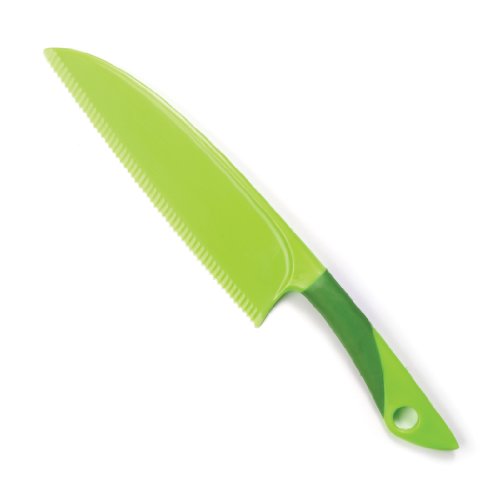

PREVENTS LETTUCE & SALAD BROWNING: Durable polystyrene plastic blade cuts cleanly through delicate greens, romaine, and cabbage without oxidizing cut edges, keeping tossed salads fresher and crisper longer.
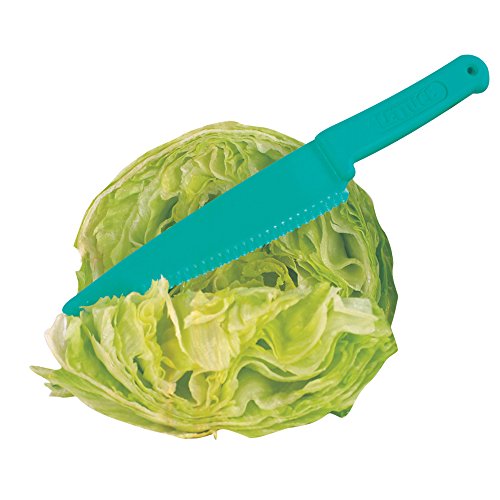
DURABLE DESIGN: Constructed from long-lasting and heat-resistant polystyrene plastic.
Timing of Harvest
Timing impacts lettuce growth and regrowth. Harvesting lettuce when it’s mature, typically at 6 to 8 weeks after planting, ensures the leaves are crisp and flavorful. Avoid waiting too long, as the lettuce can become bitter. For leaf lettuce, harvesting outer leaves first allows the center to continue growing. For romaine, cut the head just above the base to encourage new shoots. Aim to harvest in the morning, when moisture levels are highest. This helps maintain leaf freshness and reduces wilting.
Techniques for Harvesting
Using the right technique enhances regrowth potential. Here are effective harvesting methods:
- Cutting Leaves: For leaf lettuce, snip the outer leaves with scissors or a sharp knife. Leave the inner leaves intact to promote new growth.
- Crowning: For romaine, cut the head just above the soil line, preserving the base. This encourages new shoots.
- Pulling the Whole Plant: If you’re harvesting butterhead, consider pulling the entire plant. Regrowth isn’t as vigorous, but you can still expect smaller leaves to emerge from the base later on.
Using these techniques allows you to enjoy several harvests from a single plant. Remember, proper care after harvesting, including adequate watering and light, supports ongoing regrowth.
Does Lettuce Continue to Grow After Harvesting?
Lettuce can indeed regrow after harvesting, depending on the variety and how it’s harvested. Understanding the science and practical experiences surrounding lettuce regrowth can help you maximize your yield.
Recommended Products

K115 Crop Harvest Knife, 7.25-Inch Blade, is designed for trimming lettuce, greens, and soft-stemmed vegetables.

Tupperware Lettuce Corer Serrated Knife Like Gadget in Mint Green
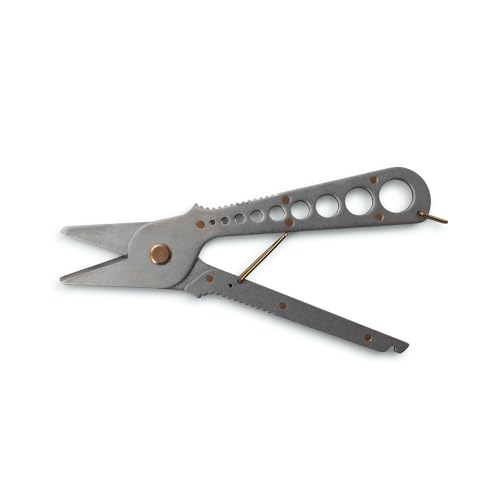
Versatile All-in-One Herb Tool: This pocket-sized implement is your ultimate herb harvesting and stripping solution. Trim your herbs with precision using the sharp scissors side and effortlessly clear and strip a variety of greens
Scientific Evidence
Research shows that several lettuce varieties can regrow after being partially harvested. For instance, romaine lettuce responds well when you leave at least 2 inches of the base intact. This allows the plant to continue photosynthesis, which is essential for regrowth. Leaf lettuce also shows good regrowth potential when you cut the outer leaves, giving the inner leaves a chance to develop. Studies indicate that lettuce thrives in temperatures between 60°F and 70°F and requires 12-14 hours of light daily to enhance its regrowth capabilities. Keeping moisture levels controlled prevents root rot, which can hinder growth after harvesting.
Practical Experiences
Many gardeners report success with regrowing lettuce. For best results, harvest leaf lettuce by trimming outer leaves, leaving the center to grow. For romaine, crown the plant by cutting just above the soil line. Post-harvest, ensure your lettuce gets enough water and light. Regular watering helps maintain moisture without oversaturating the roots. Some gardeners use a grow light to ensure their lettuce receives adequate light, especially in less sunny months. This combination of proper care and timely harvesting can lead to multiple harvests from a single plant.
Benefits of Continued Growth
Continued growth after harvesting offers various advantages for gardeners and home cooks alike. Understanding these benefits can enhance your gardening experience and improve your kitchen efficiency.
Freshness and Flavor
Enjoy freshly harvested lettuce over store-bought options. Lettuce that regrows continues to develop its flavors, allowing you to experience crisp, vibrant greens with each new harvest.
Cost Savings
Reduce grocery expenses by growing lettuce at home. Regrowing allows you to maximize your investment in seeds and plants, providing multiple harvests without purchasing new plants.
Space Efficiency
Utilize limited gardening space effectively. By regrowing lettuce from the same plant, you make the most of your small garden or container setup, allowing for a diverse range of fresh produce.
Sustainable Gardening
Promote eco-friendly practices with continued growth. Regrowing lettuce minimizes waste and reduces the carbon footprint associated with transporting produce. You’ll also contribute to better soil health with ongoing growth cycles.
Nutritional Benefits
Access nutrient-rich greens regularly. Freshly harvested lettuce retains higher levels of vitamins and minerals compared to store-bought alternatives, ensuring you get the most health benefits from each harvest.
By taking advantage of the benefits of continued growth, you create an efficient, sustainable, and flavorful gardening practice. This approach not only fulfills your culinary needs but also aligns with your goals for a greener lifestyle.
Conclusion
Regrowing lettuce after harvesting is a rewarding endeavor that can transform your gardening experience. You get to enjoy fresh greens right from your garden while also saving money and promoting sustainability.
By paying attention to the right conditions and techniques, you can maximize your yields and minimize waste. So why not give it a try? With a little care you can enjoy multiple harvests and add a burst of flavor and nutrition to your meals. Happy gardening!
Frequently Asked Questions
What types of lettuce can be regrown after harvesting?
Romaine and leaf lettuce varieties are ideal for regrowing after harvesting. These types are known for their ability to continue growing when the correct harvesting techniques are utilized.
How does temperature affect lettuce regrowth?
Temperature plays a crucial role in lettuce regrowth. Optimal temperatures (around 60-70°F) promote healthy growth, while extreme heat or cold can hinder the regrowth process and lead to bolting.
What post-harvest care is necessary for regrowing lettuce?
To effectively regrow lettuce, provide adequate moisture, ensure proper light exposure, and maintain a stable temperature. Following these care steps will enhance the chances of successful regrowth.
What are the benefits of regrowing lettuce?
Regrowing lettuce offers benefits like freshness, enhanced flavor, significant cost savings, and space efficiency. It also supports sustainable gardening practices by providing nutrient-rich greens regularly.
How can I maximize space while gardening?
Maximize gardening space by regrowing lettuce. This practice allows you to make the most of your garden area, enabling multiple harvests from the same plants without needing additional space.
