

Are you eager to grow fresh, crunchy lettuce in your Pennsylvania garden? Timing is everything when it comes to planting this leafy green. Whether you’re a seasoned gardener or just starting out, knowing when to plant can make all the difference in your harvest.
Key Takeaways
- Optimal Planting Seasons: Best times to plant lettuce in Pennsylvania are mid-April for spring and late July to early August for fall harvests.
- Weather Monitoring: Keep an eye on local weather patterns, as lettuce prefers cooler temperatures; excessive heat can lead to bolting.
- Soil Preparation: Ensure soil is well-drained and nutrient-rich, with a pH between 6.0 and 7.0, critical for healthy lettuce growth.
- Seed Selection: Choose appropriate lettuce varieties based on the season—cold-tolerant types for spring and heat-resistant ones for fall.
- Spacing and Planting Depth: Follow planting guidelines by sowing seeds ¼ to ½ inch deep and spacing them 6 to 12 inches apart to promote healthy growth.
- Consistent Watering: Regularly water your lettuce with 1 to 1.5 inches of water per week, adjusting for rainfall to maintain moist conditions.
Importance Of Timing For Lettuce Planting
Timing plays a vital role in planting lettuce effectively in Pennsylvania. Planting during the right season ensures optimal growth and a bountiful harvest.
Optimal Planting Seasons
Lettuce thrives in cooler temperatures. The best planting periods in PA are early spring and late summer. Aim to plant seeds outdoors around mid-April for your spring crop. For a fall harvest, plant again in late July to early August.
Weather Considerations
Monitor local weather patterns before planting. Lettuce doesn’t tolerate heat well. If temperatures exceed 75°F, plants may bolt, causing them to flower and become bitter. You can protect seedlings with shade cloth during heat waves.
Soil Preparation
Prepare your soil adequately before planting. Work in compost to improve drainage and nutrient content. Testing soil pH is also crucial. Lettuce prefers a pH between 6.0 and 7.0 for optimal growth.
Seed Choices
Select suitable lettuce varieties for your planting times. For spring, consider crisphead types like ‘Iceberg’ or leaf varieties such as ‘Buttercrunch.’ In fall, opt for heat-resistant types like ‘Summer Bibb’ to withstand fluctuating temperatures.
Planting Depth and Spacing
When planting seeds, follow specific depth and spacing guidelines. Sow seeds about ¼ to ½ inch deep and space them 6 to 12 inches apart. Adequate spacing allows for better air circulation and healthier plants.
Watering Needs
Keep your lettuce hydrated, especially during hot spells. Water consistently without allowing the soil to dry out completely. Aim for about 1 to 1.5 inches of water per week, adjusting for rainfall.
By adhering to these timing and cultivation practices, you can enjoy fresh, crisp lettuce from your Pennsylvania garden.
Best Times To Plant Lettuce In PA
Planting lettuce at the right time ensures a fruitful harvest, especially in Pennsylvania’s changing seasons. Timing plays a crucial role in yield and quality.
Recommended Products

Indoor Garden Seed Starter Trays – Kimdozee seedling trays feature 120 cells (1.97" x 1.97" x 1.97"), perfectly sized for starting herbs, vegetables, flowers, succulents, and microgreens.

【Biodegradable Material】The seed trays are crafted from environmentally friendly materials, ensuring sustainability from seed to harvest

Upgraded Flexible Cells: Upgraded Silicone Seed Starter Tray with 12 flexible pop-out cells per tray. The soft silicone cells keep seedlings well protected and can be gently bent and popped out when it's time to transplant to your outdoor garden! Our seed starting trays are specifically designed to reduce stress on seedlings, so you won't damage their roots when transplanting
Spring Planting
For spring planting, early April proves ideal for starting your lettuce. Target mid-April for sowing seeds directly into the ground. When you choose to transplant seedlings, aim for a similar timeframe since they thrive in cooler temperatures.
- Varieties: Select cold-tolerant varieties like Butterhead or Romaine for spring planting.
- Spacing: Maintain a spacing of 12 to 18 inches between rows and about 6 to 12 inches between individual plants.
- Soil Preparation: Work compost into the soil to enhance nutrient levels. Keep soil pH between 6.0 and 7.0 for optimal growth.
Watch weather forecasts closely. If temperatures exceed 75°F, consider using shade cloths to protect your lettuce from bolting.
Fall Planting
For fall planting, your timeline shifts to late July through early August. This ensures a second round of lettuce before winter sets in.
- Varieties: Choose quicker-growing types like Leaf lettuce or Salad Bowl for fall. They mature quickly, adapting well to cooler weather.
- Spacing: Follow the same spacing guidelines as spring. This helps with air circulation, reducing disease risk.
- Soil Preparation: Again, enrich the soil with compost. Testing soil for pH remains necessary to ensure proper growth conditions.
Monitor the day length as daylight wanes. Longer days may encourage your lettuce to bolt earlier, so timing your planting becomes even more critical.
By adhering to these timelines and practices, your lettuce garden can thrive in Pennsylvania through both spring and fall seasons.
Factors Influencing Planting Time
Understanding various factors influencing planting time enhances your chances for a successful lettuce harvest. Two critical elements are weather conditions and soil temperature.
Recommended Products

PRECISE SOIL TEMPERATURE READINGS: Measures soil temperatures from 20 degrees F to 180 degrees F (0 degrees C to 80 degrees C) with a large, easy-to-read analog dial face - no batteries or digital screens needed for reliable results every time

Easy-to-read green, yellow, and red tick marks for easy monitoring
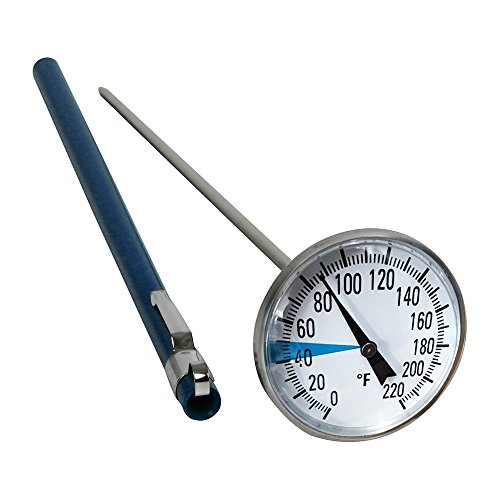
PRACTICAL SOLUTION - While other Soil Thermometers can’t tell the correct temperature, fogs up, and get broken easily, our soil thermometer has high precision performance, high-visibility, and is designed to last
Weather Conditions
Weather patterns significantly affect lettuce growth. Lettuce thrives in cool weather and prefers temperatures between 60°F and 65°F. Monitoring local forecasts helps you avoid planting too early or too late. In Pennsylvania, late frosts can occur, which could damage young seedlings. If daytime temperatures exceed 75°F, lettuce may bolt, causing it to flower and become bitter. Pay attention to seasonal weather changes and adjust your planting schedule to align with optimal conditions.
Soil Temperature
Soil temperature impacts seed germination and root development. Lettuce seeds germinate best when soil temperatures range from 45°F to 75°F. For spring planting in Pennsylvania, check soil temperatures before sowing. A soil thermometer provides accurate measurements. If the soil is too cold, wait a few days before planting. Conversely, for fall planting, ensure the soil temperature remains moderate to support growth before the colder months arrive. Aim for planting when the soil temperature is ideal to encourage healthy lettuce development.
Tips For Successful Lettuce Growth
Growing lettuce successfully involves several key practices that promote healthy plants and a bountiful harvest.
Recommended Products


USDA Certified Organic by Oregon Tilth
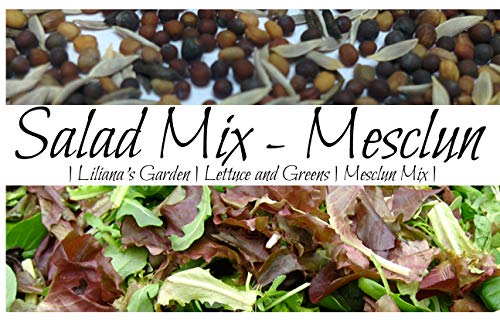
Yields and average of 180 salad leaf plants including varieties of arugula, endive, mustard greens, and more. Yields roughly 32 lbs of mature greens after just a full growing season, 40 days for baby greens.
Seed Selection
Choosing the right seeds is crucial for lettuce growth. Look for varieties suited to Pennsylvania’s climate. Popular choices include:
- Butterhead: Known for its tender leaves and creamy texture.
- Romaine: Sturdy and nutritious, great for salads.
- Leaf Lettuce: Quick to mature and ideal for continuous harvesting.
Consider buying seeds from local suppliers. Local varieties adapt better to your specific growing conditions.
Care And Maintenance
Proper care helps ensure vibrant lettuce plants. Follow these essential steps:
- Watering: Keep the soil consistently moist but not soggy. Aim for about 1 inch of water per week.
- Mulching: Apply a layer of organic mulch to conserve moisture and suppress weeds.
- Fertilizing: Use a balanced fertilizer every few weeks to supply necessary nutrients. Consider organic options such as compost for added benefits.
- Pest Control: Monitor for pests like aphids and slugs. Introduce natural predators or use organic insecticides to manage outbreaks.
- Spacing: Adhere to recommended spacing of 12 to 18 inches between rows and 6 to 12 inches between plants. This promotes air circulation and reduces disease risk.
By selecting the right seeds and providing proper care, you can enjoy a fresh supply of lettuce from your garden in Pennsylvania throughout the growing seasons.
Conclusion
Timing’s everything when it comes to planting lettuce in Pennsylvania. By knowing when to start your seeds in spring and fall you can enjoy fresh lettuce right from your garden. Keep an eye on the weather and soil conditions to ensure your plants thrive and avoid any surprises like unexpected frosts or heat waves.
Remember to choose the right varieties for each season and give them the care they need. With a little attention and planning you’ll be rewarded with crisp and delicious lettuce for your salads and sandwiches. Happy gardening and enjoy your harvest!
Frequently Asked Questions
When is the best time to plant lettuce in Pennsylvania?
The optimal times for planting lettuce in Pennsylvania are mid-April for spring crops and late July to early August for fall harvests. These periods ensure that lettuce grows in cooler temperatures, which is essential for a successful yield.
Which lettuce varieties are recommended for spring planting?
For spring planting in Pennsylvania, cold-tolerant varieties like Butterhead and Romaine are highly recommended. These varieties thrive in cooler conditions and are less likely to bolt as temperatures rise.
How should I space my lettuce plants?
When planting lettuce, space rows 12 to 18 inches apart and individual plants 6 to 12 inches apart. This spacing promotes air circulation, which helps reduce the risk of disease.
What soil conditions are best for growing lettuce?
Lettuce prefers well-drained soil with a pH between 6.0 and 7.0. Incorporating compost into the soil will improve fertility and structure, creating an ideal environment for growth.
How does temperature affect lettuce growth?
Lettuce thrives in cool weather, with ideal temperatures between 60°F and 65°F. Temperatures exceeding 75°F can cause lettuce to bolt, leading to bitter tasting leaves and a poor harvest.
Why is it important to monitor local weather patterns?
Monitoring local weather patterns is crucial to avoid late frosts that can damage seedlings and to determine the best planting times. Lettuce is sensitive to heat, making awareness of temperature fluctuations essential for successful growth.
What care practices are essential for lettuce maintenance?
Essential care practices for lettuce include consistent watering, mulching to conserve moisture, regular fertilization, and pest control. Adhering to proper spacing also promotes air circulation to reduce disease risk.
How can I achieve a successful fall lettuce harvest?
For a successful fall harvest, plant quicker-growing varieties like Leaf lettuce or Salad Bowl from late July to early August. Be sure to monitor day length and maintain consistent watering to ensure healthy growth.
