

Have you ever stared at your thriving romaine lettuce and wondered when it’s the right time to harvest? You’re not alone. Many gardeners feel a mix of excitement and uncertainty as they approach this crucial step.
Key Takeaways
- Ideal Conditions: Romaine lettuce thrives in cool temperatures between 60°F and 70°F, requiring full sun and well-draining, nutrient-rich soil.
- Signs of Maturity: Harvest when heads are 8 to 12 inches tall, have tightly packed leaves, and display firm texture and rich green color.
- Optimal Harvest Timing: Best to harvest in the morning or late afternoon to preserve freshness and flavor; avoid harvesting during peak heat.
- Proper Tools: Use sharp garden shears, a lightweight basket, gloves, and a watering can to facilitate an efficient and clean harvesting process.
- Harvesting Method: Cut about an inch above the soil line and leave outer leaves if encouraging regrowth is desired.
- Storage Tips: Clean harvested lettuce thoroughly and store in breathable bags or containers in the refrigerator, keeping an eye on damaged leaves to prevent spoilage.
Understanding Romaine Lettuce
Romaine lettuce thrives in well-defined conditions and exhibits clear signs of maturity. Knowing these aspects helps ensure a successful harvest.
Ideal Growing Conditions
Romaine lettuce flourishes in cool weather, ideally between 60°F and 70°F. It requires full sun exposure for at least six hours daily. The soil should be well-draining, rich in organic matter, and maintain a pH level between 6.0 and 7.0.
Watering is essential; soil moisture should remain consistent. Use mulch to retain moisture and suppress weeds. Fertilizing with a balanced blend every few weeks promotes optimum growth. For example, applying a nitrogen-rich fertilizer during early growth aids in leaf development.
Signs of Maturity
Signs of maturity indicate when you can harvest romaine lettuce for peak flavor and texture. Look for heads that are firm to the touch and have reached a height of at least 8 to 12 inches. The leaves should form a tightly packed rosette, displaying rich green color and crispness.
Check for any flower stalks, as these indicate the onset of bolting. If you notice a stalk emerging, harvest immediately, since taste and texture can decline rapidly. Generally, romaine is ready to harvest about 70 to 90 days after planting.
Harvesting Techniques
Harvesting romaine lettuce requires careful attention and the right approach. Timing and tools can significantly impact the quality of your harvest.
Recommended Products

K115 Crop Harvest Knife, 7.25-Inch Blade, is designed for trimming lettuce, greens, and soft-stemmed vegetables.

Curved blade tips for ultimate cutting precision

Effortless Herb Chopping with 5 Sharp Blades - SASACIA herb scissors feature five stainless steel blades to cut herbs, lettuce, cilantro, and green onions evenly in seconds, saving you time in the kitchen.
Timing Your Harvest
Pick romaine lettuce when it reaches a height of 8 to 12 inches, and the heads feel firm. Check for tightly packed leaves and a rich green color. Monitor for signs of bolting, like flower stalks, and harvest immediately if they appear. Generally, the ideal time for harvesting falls between 70 and 90 days after planting. Morning or late afternoon is best, as cooler temperatures preserve freshness and flavor.
Tools Needed for Harvesting
Gather the following tools to streamline your harvesting process:
- Garden Shears: Use sharp, clean shears to make clean cuts, minimizing damage to the plant.
- Basket or Crate: Utilize a lightweight container to collect and transport your harvest without bruising the leaves.
- Gloves: Wear gloves to protect your hands from potential irritants and dirt.
- Watering Can: Keep a can handy if you plan to rehydrate the plants post-harvest, particularly in warmer weather.
Having the right tools ensures a smooth and efficient gathering of your romaine lettuce.
Step-by-Step Harvesting Guide
Harvesting romaine lettuce involves several straightforward steps. Following this guide helps ensure you gather your crop effectively while maintaining quality.
Recommended Products

Precision 1.75" Curved Blade for Detailed Cutting – Needle-nose curved blade design provides exceptional control for pruning in tight spaces, making it ideal for harvesting grapes, trimming herbs, thinning fruit, and deadheading delicate flowers.

HERB GARDENING ESSENTIAL: Stainless steel blade plant shears with sheath ideal for harvesting herbs outdoors or with a window herb garden for kitchen; encourages overall lawn and garden health, or perfect gift to go with any indoor herb garden kit
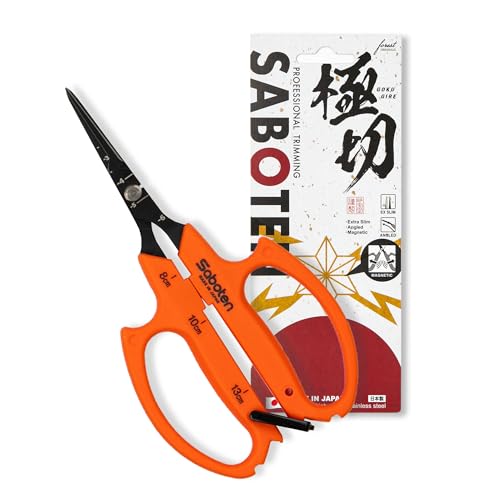
✅【Automatic Magnetic “Springless” Action】 Feel the difference immediately: the built-in magnetic repulsion reopens the blades smoothly after every cut. No metal spring fatigue, no wobble, just a clean, consistent rhythm that’s ideal for repetitive trimming and harvesting.
Preparing for Harvest
Check your lettuce heads for firmness and height. A mature romaine head measures 8 to 12 inches tall and feels tightly packed. Choose a cool day or harvest in the morning or late afternoon for optimal flavor. Gather your tools: sharp garden shears, a lightweight basket or crate, and gloves for hand protection. Rinse the shears with a disinfectant to prevent diseases, ensuring a clean cut.
Cutting the Lettuce
Position the shears about an inch above the soil line. Cut through the stem to remove the head from the plant. Avoid tearing, as this can damage the remaining leaves or other plants nearby. If you want to encourage regrowth, leave a few outer leaves attached to the base. This method can yield additional harvests later in the season.
Cleaning and Storing Your Harvest
Rinse the harvested lettuce under cold water to remove dirt and insects. Pat it dry with a clean towel to avoid excess moisture, which causes wilting. Store the lettuce in a breathable bag or a container lined with paper towels in the refrigerator. This storage method maintains freshness for up to a week. Keep an eye on your lettuce and remove any damaged leaves promptly to prevent spoilage.
Common Mistakes to Avoid
Avoiding common mistakes during the harvesting of romaine lettuce can enhance your gardening success. Here are key pitfalls to steer clear of:
Overharvesting Risks
Overharvesting can lead to several negative consequences. Cutting too much at once prevents the plant from regrowing effectively. Leave at least a few outer leaves intact to encourage new growth. If you strip the plant bare, it may not recover or produce a second crop. Aim for a moderate approach, gathering only what you need while allowing the plant to thrive.
Harvesting at the Wrong Time
Harvesting at the wrong time affects both flavor and texture. Wait until the heads are firm and 8 to 12 inches tall. Cutting too early yields smaller, less flavorful heads. Conversely, leaving them too long might lead to bolting, resulting in bitter, tough leaves. Monitor closely for signals that indicate readiness, such as dense rosettes and vibrant green color. Time your harvest in the cool morning or late afternoon to preserve quality and taste.
Conclusion
Harvesting your romaine lettuce can be a rewarding experience. With the right timing and techniques you can enjoy fresh and flavorful greens right from your garden. Remember to check for firmness and height before making your cuts.
Taking care of your tools and harvesting during cooler parts of the day will help maintain the quality of your lettuce. Don’t forget to store your harvest properly to keep it fresh for longer.
With a little patience and attention you’ll soon be enjoying delicious salads made from your very own homegrown romaine. Happy harvesting!
Frequently Asked Questions
When is the best time to harvest romaine lettuce?
The best time to harvest romaine lettuce is when the heads reach 8 to 12 inches tall and feel firm with tightly packed leaves. Morning or late afternoon is ideal to preserve freshness and flavor.
What conditions does romaine lettuce need to grow well?
Romaine lettuce thrives in cool weather between 60°F and 70°F, with full sun exposure for at least six hours daily. The soil should be well-draining, rich in organic matter, and maintain a pH level between 6.0 and 7.0.
How can I tell when my romaine lettuce is ready for harvest?
Look for firm heads that are 8 to 12 inches tall, forming a tightly packed rosette with rich green leaves. Be alert for flower stalks, as their appearance indicates bolting, and harvest immediately if they appear.
What tools do I need to harvest romaine lettuce?
Essential tools include sharp garden shears for clean cuts, a lightweight basket or crate for transport, gloves for hand protection, and a watering can for rehydrating the plants if needed.
How should I store freshly harvested romaine lettuce?
After rinsing the lettuce under cold water and drying it, store it in a breathable bag or container lined with paper towels in the refrigerator to maintain freshness for up to a week.
What common mistakes should I avoid when harvesting romaine lettuce?
Avoid overharvesting, which can hinder regrowth. Additionally, ensure you harvest at the right time, as cutting too early or late can affect flavor and texture. Monitor plants closely for readiness.
