

Have you ever wondered when the best time to plant lettuce is? If you’ve tried growing it before, you know timing can make all the difference between a bountiful harvest and a disappointing crop. Whether you’re a seasoned gardener or just starting out, knowing when to plant lettuce can help you enjoy fresh, crisp leaves right from your garden.
Key Takeaways
- Understanding Lettuce Varieties: Familiarize yourself with different types of lettuce, such as Butterhead, Romaine, Leaf, and Crisphead, each requiring specific planting times and conditions.
- Optimal Planting Seasons: Plant lettuce in early spring 2-4 weeks before the last frost or in late summer to early fall, 6-8 weeks before the first expected frost, for the best results.
- Temperature Awareness: Lettuce thrives in temperatures between 60°F and 70°F. Monitor local weather to avoid bolting caused by heat or frost damage from unexpectedly cold nights.
- Soil and Garden Preparation: Ensure well-drained, nutrient-rich soil with a pH of 6.0 to 7.0. Utilize effective spacing and companion planting strategies for optimal growth.
- Avoid Common Mistakes: Prevent overcrowding and monitor weather conditions closely to protect lettuce from frost and heat stress, enhancing your chances of a successful harvest.
Understanding Lettuce Varieties
Lettuce comes in multiple varieties, each with unique characteristics and ideal growing conditions. Knowing these varieties helps you choose the best ones for your garden and growing season.
Recommended Products

4 Popular Heirloom Lettuce Varieties: Includes Red Romaine, Bibb Butterhead, Black Seeded Simpson, and Green Ice lettuce seeds to grow crisp, tender, and colorful salad greens with balanced flavor, texture, and visual appeal.

YEAR-ROUND GARDEN FAVORITE – Dependable butterhead lettuce that thrives in cool or moderate weather for consistent harvests from spring through fall, even under cover in winter

🥬 Winter Density Lettuce: 65 days until Maturity. Latin Name: Lactuca sativa. Open Pollinated. The plant produces heavy yields of dark green romaine lettuce. Leaves are tightly folded and have a delicious sweet flavor. Lettuce retains its crisp sweetness best when harvested in the morning.
Types of Lettuce
- Butterhead Lettuce: Known for its tender leaves and sweet flavor, butterhead varieties, like ‘Boston’ and ‘Bibb’, thrive in cooler temperatures. Plant them in early spring or fall.
- Romaine Lettuce: Romaine types, such as ‘Cos’ lettuce, offer crisp, sturdy leaves. They perform well in a range of temperatures, making them suitable for both spring and fall planting.
- Leaf Lettuce: Leaf lettuces, including ‘Red Romaine’ and ‘Black Seeded Simpson’, feature loose leaves that grow in various colors. These are fast-growing and a great option for succession planting.
- Crisphead Lettuce: Crisphead varieties, like ‘Iceberg’, have tightly packed leaves and a crunchy texture. They require a longer growing season, so align planting times with the cooler months.
- Fast-Growing Varieties: Leaf lettuces typically reach maturity within 30 to 50 days. This quick turnaround allows for multiple harvests in a single season.
- Moderate-Growing Varieties: Butterhead and Romaine require about 50 to 70 days to fully mature. These varieties benefit from consistent moisture and protection from heat.
- Slow-Growing Varieties: Crisphead lettuces often need 70 to 85 days. Their growth improves with longer days and cooler nights, making timely planting essential.
Understanding these growth patterns assists you in planning your planting schedule effectively. Consider your local climate and growing conditions to choose the best lettuce varieties for your garden.
Ideal Planting Seasons
Timing plays a crucial role in successfully growing lettuce. Knowing the optimal planting seasons helps you plan for a bountiful harvest.
Recommended Products
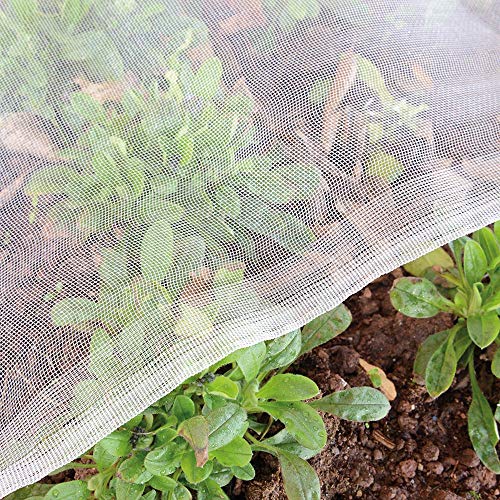
🥬Effective Bug Barrier: Protecting plants and vegetables from a wide range of pest insects and animals, such as cicadas, carrot fly and many species of aphids, you will get a healthier and happier garden

Cover Large Area: Select from an extensive range of sizes tailored to meet your gardening requirements; The frost plant covers are available in 10x10FT, 10x20FT, 10x30FT, and 10x50FT, ensuring a snug fit for gardens of every dimension; The frost blankets are durable and easy to cut to provide the perfect coverage for gardens of all shapes and sizes

🌱 1. Protect Seedlings from Spring Frost & Cold Nights This 6.5 × 16.4 ft floating row cover helps shield young plants, seedlings, and vegetables from late spring frost and sudden overnight temperature drops.
Spring Planting
Spring is an excellent time for planting lettuce, especially in cool climates. Aim to seed lettuce 2-4 weeks before the last expected frost. For warmer regions, planting can begin in early March. Choose varieties like Leaf or Butterhead for quick growth during these cooler months. Regular watering and providing partial shade can enhance your spring yield.
Fall Planting
Fall planting allows you to extend your lettuce harvest. Start seeds 6-8 weeks before the first expected frost. Late summer to early fall offers optimal conditions. Varieties that thrive in cooler temperatures include Romaine and Crisphead. Look for a spot that gets enough sunlight yet protects plants from extreme cold, such as using row covers.
Temperature Considerations
Lettuce thrives in temperatures between 60°F and 70°F. Higher temperatures can cause bolting, leading to bitter-tasting leaves. If nighttime temperatures drop below 30°F, consider covering your plants with fabric or mulch. Monitor the weather closely—adjust your planting schedule based on local conditions to foster healthy growth.
Preparing Your Garden
Preparing your garden for lettuce planting is essential for a successful harvest. Follow these guidelines to create the ideal environment for your lettuce.
Recommended Products

Quick, at home results for Soil pH, Nitrogen, Phosphorous and Potash Innovative and inexpensive soil test kit features an easy-to-use capsule system and patented color comparators

KNOW BEFORE YOU GROW | Grow the healthiest, sustainable lawn and garden with the most accurate and easy to use professional soil test kit on the market

Comprehensive Soil Analysis: Liquid soil test kits offer a comprehensive analysis of essential soil parameters, including pH, ammonia, nitrogen, phosphorus, and potassium. Having all these measurements in one kit provides a holistic understanding of the soil's fertility and health.
Soil Requirements
Lettuce thrives in well-drained, nutrient-rich soil. Aim for a pH level between 6.0 and 7.0 for optimal growth.
- Test soil: You can purchase a soil testing kit or send a sample to a local extension office.
- Amend soil: If needed, incorporate organic matter such as compost, manure, or peat moss to improve fertility and drainage.
- Till soil: Turn the soil to a depth of 12 to 15 inches to break up compacted areas and promote root development.
Garden Layout
A thoughtful garden layout can boost your lettuce’s growth. Consider these steps for an effective arrangement.
- Choose location: Select a spot that receives 6 to 8 hours of sunlight daily. East- or north-facing areas are ideal in warmer climates to prevent overheating.
- Plan spacing: Space different lettuce varieties at least 6 to 12 inches apart, depending on their mature size. For example, space Butterhead and Romaine further apart than Leaf varieties.
- Utilize companion planting: Grow lettuce alongside carrots or radishes. These plants complement each other, maximizing space and helping deter pests.
By following these soil and layout guidelines, you create the best conditions for healthy lettuce plants.
Common Mistakes to Avoid
Avoiding common pitfalls enhances your chances of a successful lettuce harvest. Being aware of these mistakes aids you in maintaining healthy plants and achieving a bountiful yield.
Overcrowding Plants
Overcrowding leads to stunted growth and reduced air circulation. When planting lettuce, ensure adequate space based on variety size. Aim for:
- Leaf Lettuce: Space plants about 6 to 12 inches apart.
- Romaine: Allow 12 to 18 inches between each plant.
- Crisphead: Keep at least 12 to 15 inches apart.
Thinning seedlings after they sprout can improve growth. Remove weaker plants to allow stronger ones to thrive. Monitor growth regularly to prevent overcrowding as plants mature.
Ignoring Weather Conditions
Ignoring weather conditions compromises plant success. Monitor local forecasts and adjust planting accordingly.
- Frost: Planting too early exposes tender lettuce to frost damage. Wait until 2-4 weeks before the last expected frost for spring planting.
- Heat: High temperatures induce bolting and bitterness. Temperatures above 75°F can stress plants. In warmer climates, consider planting in partial shade or using shade cloths during hot spells.
Stay informed about seasonal temperature variations. Use row covers to protect seedlings from unexpected cold snaps. These simple precautions maintain a healthy growing environment for your lettuce.
Conclusion
Getting the timing right for planting lettuce can make all the difference in your garden. By paying attention to the seasons and local weather conditions you can enjoy a bountiful harvest of fresh greens. Remember to choose the right varieties for your climate and prepare your soil properly to set your plants up for success.
Don’t forget to monitor your lettuce as it grows and make adjustments as needed. With a little care and attention you’ll be rewarded with delicious lettuce that’s perfect for salads and sandwiches. Happy gardening and enjoy your fresh harvest!
Frequently Asked Questions
When is the best time to plant lettuce?
The best time to plant lettuce varies by climate. In cool climates, plant 2-4 weeks before the last frost in spring. For warmer regions, sow seeds in early March. Additionally, consider fall planting 6-8 weeks before the first anticipated frost to extend your harvest.
What are the ideal temperatures for growing lettuce?
Lettuce thrives in temperatures between 60°F and 70°F. Temperatures above this range can lead to bolting, which makes the leaves bitter. Monitor local weather conditions to ensure optimal growth.
What soil conditions are best for lettuce?
Lettuce prefers well-drained, nutrient-rich soil with a pH level between 6.0 and 7.0. Regular soil testing and amendments are advisable to create the best conditions for healthy growth.
How far apart should I space lettuce plants?
Proper spacing is crucial for healthy growth. The spacing depends on the variety; generally, space leaf lettuce 6-12 inches apart, while larger varieties like Romaine and Crisphead should be spaced 12-18 inches apart to prevent overcrowding.
Can I grow lettuce in the fall?
Yes, fall planting is a great way to extend your lettuce harvest. It’s recommended to start seeds 6-8 weeks before the first expected frost and select varieties that grow well in cooler conditions, such as Romaine and Crisphead.
What common mistakes should I avoid when planting lettuce?
Avoid overcrowding your lettuce plants, as this can stunt growth and hinder air circulation. Also, be cautious about planting too early in cold climates or in high temperatures that could cause bolting. Always monitor weather conditions.
