

Have you ever planted lettuce seeds and wondered when you’d see those tiny sprouts? Waiting for your garden to come to life can feel like an eternity, especially when you’re eager for fresh salads.
Key Takeaways
- Lettuce seeds typically germinate within 7 to 14 days, depending on environmental conditions.
- Optimal soil temperatures for germination range from 60°F to 75°F, with consistent moisture being crucial for sprouting.
- Maintaining adequate soil moisture (neither too wet nor too dry) is essential for successful germination.
- Different lettuce varieties have varying germination times; for example, leaf lettuce and butterhead germinate within 7 to 14 days, while romaine takes about 8 to 12 days.
- Poor soil quality and temperature fluctuations can hinder seed germination, underscoring the importance of proper soil preparation and temperature management.
Understanding Lettuce Germination
Germination marks the beginning of your lettuce journey. Lettuce seeds typically sprout within 7 to 14 days, given the right conditions.
The Germination Process
Germination starts when you plant seeds in moist soil. Seeds absorb water and swell, causing a break in their outer coating. Once the seed coat splits, you see a small root emerge, followed by a shoot that will grow into the lettuce plant. Consistent moisture and ideal temperatures of 65°F to 75°F promote quicker germination.
Factors Influencing Germination Time
Several factors impact how quickly your lettuce seeds germinate:
- Soil Temperature: Warmer soil speeds up germination. Aim for temperatures between 65°F and 75°F for optimal results.
- Soil Moisture: Consistent moisture is crucial. Keep the soil evenly moist, not soggy, to encourage sprouting.
- Seed Quality: High-quality seeds germinate better than older seeds. Always use fresh seeds for improved results.
- Light Exposure: While some seeds can germinate in light, lettuce seeds prefer dark environments. Cover them lightly with soil.
- Air Circulation: Good airflow prevents mold and helps prevent soggy soil, aiding the germination process.
Monitoring these factors ensures your lettuce seeds sprout successfully, leading to fresh salads in no time.
Optimal Conditions for Lettuce Seeds
Lettuce seeds germinate best under specific conditions. Creating an ideal environment promotes healthy growth and ensures quick sprouting within the 7 to 14-day timeframe.
Recommended Products

PRECISE SOIL TEMPERATURE READINGS: Measures soil temperatures from 20 degrees F to 180 degrees F (0 degrees C to 80 degrees C) with a large, easy-to-read analog dial face - no batteries or digital screens needed for reliable results every time

Easy-to-read green, yellow, and red tick marks for easy monitoring
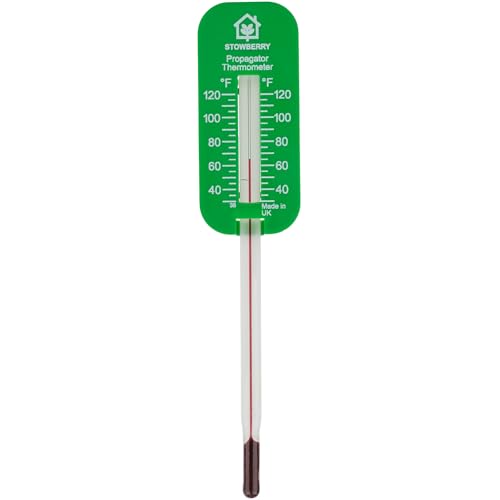
ACCURATE SOIL TEMPERATURE READINGS – Ensure the perfect growing environment for seeds and plants with this greenhouse soil thermometer, designed to give reliable and precise temperature measurements.
Soil Temperature Requirements
Maintain soil temperatures between 60°F and 70°F for optimal germination. When the soil reaches this range, it enhances seed metabolism. Use a soil thermometer to check temperatures accurately. If temperatures drop below 55°F or exceed 75°F, germination slows or may stop entirely. To warm the soil, consider using black plastic coverings on colder days.
Moisture Levels
Keep the soil consistently moist but not soggy. Lettuce seeds require adequate moisture to absorb water and begin germination. Water gently to avoid displacing seeds. Aim for soil that feels like a wrung-out sponge—neither too wet nor too dry. Using mulch can help retain moisture. Monitor the soil daily, especially in warm conditions, to ensure it remains hydrated.
Types of Lettuce and Their Germination Times
Different lettuce varieties have unique germination times. Understanding these can help you plan your gardening better.
Recommended Products

Healthy Food Source: Because of its tender flavor, lettuce is a popular vegetable for salad, sandwiches, wraps, soups, stir-fries and juice. There are over 20,000 seeds, 10 kinds of lettuce collection, including bibb, boston, iceberg, buttercrunch, grand rapids TBR, oakleaf, ruby leaf, cimmaron romaine and waldmann's

4 Popular Heirloom Lettuce Varieties: Includes Red Romaine, Bibb Butterhead, Black Seeded Simpson, and Green Ice lettuce seeds to grow crisp, tender, and colorful salad greens with balanced flavor, texture, and visual appeal.

Heirloom Non-GMO Seeds: seed pod kit contains 6 kinds of lettuce seeds, they are Red&Green Leaf Lettuce, Romaine, Butter Head, Bibb Lettuce, Boston Lettuce, Buttercrunch Lettuce. Various kinds of lettuce seeds, each one is rich in nutritional value. 100% Non-GMO, open pollinated
Leaf Lettuce
Leaf lettuce typically germinates within 7 to 14 days. Seeds prefer soil temperatures between 60°F and 70°F. Varieties like Buttercrunch and Red Romaine are popular choices. Keep the soil moist but not waterlogged for optimal growth.
Romaine Lettuce
Romaine lettuce takes about 8 to 12 days to germinate. It thrives in cooler temperatures, usually around 65°F to 70°F. Seeds should be planted in well-drained soil. Good air circulation and light exposure enhance germination success.
Butterhead Lettuce
Butterhead varieties, such as Boston and Bibb, germinate in 7 to 14 days, similar to leaf lettuce. They prefer slightly warmer soil temperatures, around 65°F to 75°F. Ensure consistent moisture for better results with these seeds.
By knowing the germination times and preferences of each type, you can ensure a successful and bountiful lettuce harvest.
Common Challenges in Lettuce Germination
Germinating lettuce seeds presents several challenges that can hinder successful sprouting. Understanding these challenges helps you prepare and create the right conditions for your seeds.
Poor Soil Quality
Poor soil quality leads to inadequate nutrient availability for germinating seeds. If the soil lacks essential nutrients, seedlings may struggle to grow strong. Ensure the soil is rich in organic matter and drains well. A soil pH between 6.0 and 7.0 promotes optimal germination. You can improve soil quality by mixing in compost or using a well-balanced potting mix.
Temperature Fluctuations
Temperature fluctuations affect seed germination rates significantly. Lettuce seeds prefer consistent temperatures between 60°F and 70°F. If temperatures drop below 40°F or rise above 75°F, germination may stall or fail altogether. Using a seedling mat can help maintain a steady temperature. Covering the planting area with a lightweight fabric can also protect seeds from sudden temperature changes.
Conclusion
Growing your own lettuce can be a rewarding experience. By paying attention to the specific needs of each variety and creating the right conditions for germination you’ll set yourself up for success. Remember that patience is key as you wait for those little seeds to sprout.
With the right care and attention you can enjoy fresh lettuce right from your garden. Whether you’re a seasoned gardener or just starting out don’t hesitate to experiment and learn through the process. Happy gardening and enjoy your delicious homegrown lettuce!
Frequently Asked Questions
What factors influence lettuce germination?
Lettuce germination is influenced by several key factors including soil temperature, moisture levels, seed quality, light exposure, and air circulation. Maintaining optimal conditions helps ensure successful sprouting of varieties like Leaf, Romaine, and Butterhead lettuce.
How can I improve soil quality for lettuce?
To improve soil quality for lettuce, incorporate organic matter such as compost or well-rotted manure. Test the soil pH, aiming for a range of 6.0 to 7.0, and ensure proper drainage. Regularly aerate the soil and consider growing cover crops to enhance nutrient levels.
What temperature is best for lettuce germination?
Lettuce seeds typically germinate best at soil temperatures between 65°F and 75°F (18°C to 24°C). Warmer soil can speed up the germination process, but excessively high temperatures can hinder it, so aim for a consistent, moderate climate.
How can I maintain consistent moisture for lettuce seeds?
To maintain consistent moisture for lettuce seeds, water the soil gently and regularly, ensuring it stays damp but not soggy. Using a seedling mat can help retain moisture, and covering the seeds lightly with mulch can further regulate moisture levels.
What are common challenges in lettuce germination?
Common challenges in lettuce germination include poor soil quality, temperature fluctuations, and inadequate moisture. Address these issues by improving soil health, monitoring temperature closely, and ensuring proper watering practices to create an ideal germination environment.
How can I deal with temperature fluctuations when sprouting lettuce?
To manage temperature fluctuations during lettuce germination, use row covers or cloches to provide insulation. Position trays in sheltered areas and monitor conditions closely. Consider using a heat mat for maintaining a consistent temperature in cooler weather.
