

Have you ever planted a beautiful patch of lettuce only to watch it bolt before you could enjoy a fresh salad? It’s frustrating when your hard work goes to waste, but you’re not alone in this struggle. Many gardeners face the same issue when temperatures rise or days get longer.
Key Takeaways
- Understanding Bolting: Lettuce bolting is a natural process triggered by environmental cues like temperature and day length leading to bitter leaves and seed production.
- Causes of Bolting: Key factors include high temperatures (above 75°F), extended daylight hours, stress from drought or nutrient deficiency, and the age of the plant (typically over 6-8 weeks).
- Preventive Varieties: Opt for bolt-resistant lettuce varieties such as Butterhead, Romaine, and Looseleaf to minimize the risk of early bolting.
- Optimal Growing Conditions: Maintain temperatures between 60°F and 70°F, use nutrient-rich soil, and ensure consistent moisture to support healthy lettuce growth.
- Environmental Management: Control temperatures by planting in early spring or fall, using shade cloth during hot periods, and implementing proper watering practices.
- Soil and Water Techniques: Water deeply and regularly, use mulch to retain moisture, and manage soil health by incorporating organic matter and maintaining balanced pH levels.
Understanding Lettuce Bolting
Lettuce bolting occurs when the plant begins to flower and produce seeds, signaling the end of its edible growth stage. This change can be frustrating, especially when you’re looking forward to a fresh harvest.
What Is Lettuce Bolting?
Lettuce bolting refers to the natural process where the plant shifts energy from leaf production to flowering and seed formation. This transition occurs when the plant senses specific environmental cues. Once bolting starts, lettuce leaves become bitter and tough, diminishing their quality and taste.
Causes of Lettuce Bolting
Several factors can trigger lettuce bolting:
- Temperature Changes: High temperatures over 75°F (24°C) often trigger bolting. Cooler temperatures promote leaf development.
- Day Length: Longer daylight hours can signal the plant to bolt. Lettuce prefers shorter day lengths, which align with cooler seasons.
- Stress Factors: Conditions like drought or nutrient deficiency can stress the plant. Such stress accelerates the bolting process.
- Age of the Plant: Mature plants, typically over 6-8 weeks old, are more prone to bolting as they reach their natural life cycle end.
Understanding these causes helps you take steps to delay or prevent bolting, ensuring a more successful lettuce crop.
Prevention Techniques
Preventing lettuce from bolting requires a combination of variety selection and optimal growing conditions. Implement these strategies to keep your lettuce thriving.
Recommended Products
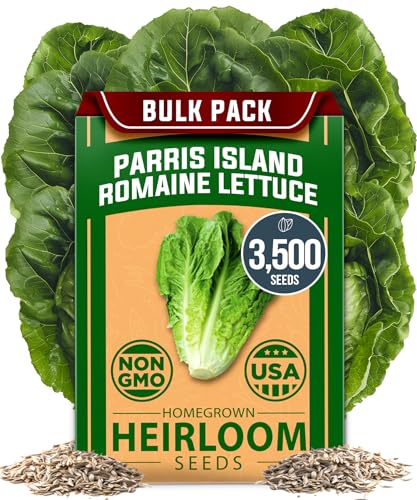
HIGH GERMINATION RATE FOR RELIABLE GROWTH - Our Parris Island Romaine Lettuce Seeds boast an impressive germination rate. High quality and rapid sprouting heirloom lettuce seeds ensuring a bountiful harvest for your vegetable garden.

VIBRANT RED LEAF LETTUCE SEEDS – Distinct curly leaves with rich burgundy color and mild, sweet flavor make Lolla Rossa a standout choice for colorful salads and fresh table greens
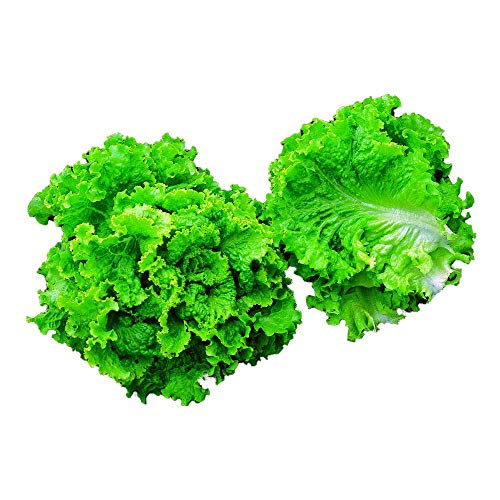
Savoyed Leaves for Maximum Crunch: Green Ice Lettuce delivers unmatched texture thanks to its thick, glossy, deeply savoyed leaves that hold their shape and crispness even after washing and prepping. Its bold, ruffled appearance not only adds volume to your salads but also makes it one of the most visually appealing lettuces you can grow, standing out in raised beds, garden rows, or container displays alike.
Choosing the Right Lettuce Varieties
Selecting bolt-resistant lettuce varieties significantly reduces the risk of early flowering. Look for varieties labeled as “heat-tolerant” or “slow to bolt.” Some reliable options include:
- Butterhead Lettuce: Known for its tender leaves and resistance to heat.
- Romaine Lettuce: Sturdy and offers better resistance against bolting.
- Looseleaf Lettuce: Grows quickly, allowing for earlier harvests before bolting occurs.
Planting a mix of these varieties can help ensure a steady supply even in warm conditions.
Ideal Growing Conditions
Creating ideal growing conditions is crucial for preventing bolting in lettuce. Aim for the following:
- Temperature: Keep temperatures between 60°F and 70°F. Use shade cloth or row covers during hot spells.
- Soil Quality: Use well-draining, nutrient-rich soil. Incorporate compost to promote healthy growth.
- Moisture Levels: Maintain consistent moisture. Water deeply and regularly, especially during dry spells, to prevent stress-related bolting.
By monitoring conditions and making necessary adjustments, you can promote robust lettuce growth without the drive to bolt.
Managing Environmental Factors
Managing environmental factors plays a vital role in preventing lettuce from bolting. Focus on temperature and light exposure to maintain optimal growing conditions.
Recommended Products

【High Quality ,More sizes, Give you more choices】- Our Shade Cloth can resist rays and most sunlight while air can still flow through so as to create a comfortable cool and shaded place for people or plants.
【 Sunshade and Breathable 】- Our Shade Cloth can resist rays and most sunlight while air can still flow through so as to create a comfortable cool and shaded place for people or plants.
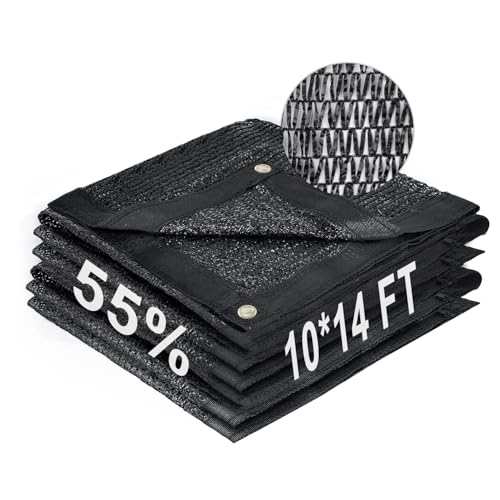
【Shade Rate 55%】This shade netting has a shading rate of up to 55%, which is perfect for keeping the environment under shadow and heat out from the sun, creating a comfortable cool and shaded place for people, plants or animals
Temperature Control
Temperature management is crucial for lettuce. Ideally, lettuce thrives in temperatures between 60°F and 65°F. If temperatures rise above 75°F, bolting becomes more likely. To regulate the heat, consider these tips:
- Choose early planting: Plant your lettuce in early spring or fall to avoid summer heat.
- Use shade cloth: Implement shade cloth during peak sun hours to lower greenhouse temperatures.
- Water adequately: Keep soil consistently moist to help regulate plant temperature. Water in the morning to minimize evaporation.
- Plant in partial shade: Use structures like row covers or shade cloth to reduce direct sunlight.
- Timing is key: Plant lettuce varieties that bolt later in the growing season, as shorter days in fall can prevent early flowering.
- Rotate crops: Change your planting location each year to manage light and shade conditions more effectively.
Effective Tips and Tricks
You can implement several efficient practices to keep lettuce from bolting. Focus on watering and soil management for the best results.
Watering Practices
Watering plays a vital role in preventing your lettuce from bolting. Aim for consistent moisture in the soil. Here are some effective techniques:
- Water Deeply: Water your lettuce deeply to encourage root growth. This may require about 1 inch of water per week, depending on weather conditions.
- Water Regularly: Water lettuce regularly, especially during warm weather. Examine the soil for dryness, and water if the top inch feels dry.
- Mulch: Applying mulch can help retain soil moisture and regulate temperature. Use straw or shredded leaves to cover the soil surface.
Soil Management
Proper soil management can create an ideal environment for lettuce growth. Follow these practices for optimal results:
- Choose Well-Drained Soil: Use loamy or sandy soil that drains well. This promotes healthy root development and reduces stress on the plants.
- Add Organic Matter: Incorporate compost or aged manure into the soil. This improves nutrient content and moisture retention, which benefits your lettuce.
- Maintain pH Levels: Keep the soil’s pH between 6.0 and 7.0 for optimal lettuce growth. Test the soil regularly and amend it with lime or sulfur as necessary.
Implementing these watering practices and soil management techniques helps create an environment that minimizes the chances of bolting and promotes fruitful lettuce cultivation.
Conclusion
By taking proactive steps you can significantly reduce the chances of your lettuce bolting. Choosing the right varieties and managing environmental factors will help create a more stable growing environment. Remember to keep your watering consistent and your soil healthy.
With a little effort and attention to detail you’ll enjoy a bountiful harvest of crisp and delicious lettuce. Happy gardening and may your greens thrive!
Frequently Asked Questions
What causes lettuce plants to bolt?
Lettuce plants typically bolt or flower due to stress from temperature changes, long days of sunlight, or insufficient watering. When exposed to these factors, the plant shifts energy from leaf production to seed development. Understanding these triggers is essential for gardeners.
How can I prevent lettuce from bolting?
To prevent bolting, choose bolt-resistant lettuce varieties and manage environmental conditions. Monitor temperatures, control light exposure, and implement proper watering techniques to create a stable environment that supports healthy growth.
What are effective watering practices for lettuce?
Water lettuce deeply and regularly to ensure consistent moisture. Utilizing mulch can help retain soil moisture, preventing stress that leads to bolting. Aim to keep the soil consistently moist but not waterlogged for optimal growth.
How should I manage soil for growing lettuce?
Opt for well-drained soil enriched with organic matter, such as compost. Maintaining optimal pH levels and ensuring good drainage creates a healthy environment that supports lettuce growth and minimizes the risk of bolting.
What is the best lettuce variety to avoid bolting?
Bolt-resistant varieties, such as ‘Butterhead’ or ‘Romaine,’ are recommended for gardeners aiming to prevent bolting. Research specific strains suited for your climate to increase your chances of successful lettuce cultivation.
