

Best Time to Plant Carrots in Indiana
Spring and fall are the ideal seasons to plant carrots in Indiana. For a successful harvest, plant seeds three weeks before the average last frost date in the spring or three weeks before the first frost in the fall.
- Planting in early to mid-April is recommended for a spring crop.
- For a fall crop, plant carrots in late August to early September to avoid the intense summer heat.
- Carrots grow best in cool soil temperatures, around 55-75°F.
- Ensure your soil is well-drained to prevent waterlogging, which can cause carrot roots to rot.
Thinning is essential for strong, healthy plants. Once the carrot seedlings are 2-3 inches tall, thin them to 1-3 inches apart to allow room for proper root development.
Mulching can help retain moisture and regulate soil temperature. Use a light layer of straw or grass clippings to keep the soil moist and protect the carrots from the Indiana sun.
Key Planting Dates for Indiana
| Season | Optimal Planting Date |
|---|---|
| Spring | Early to mid-April |
| Fall | Late August to early September |
Climate Requirements for Carrots
When planting carrots in Indiana, understanding the climate requirements is crucial for successful growth. Carrots thrive in cool soil temperatures, ideally between 55-75°F. It’s essential to plant them in well-drained soil to prevent root rot.
Thinning seedlings is an important practice to ensure that carrots have enough space to develop properly. Additionally, mulching around the plants can help retain moisture, ensuring optimal conditions for growth.
Remember that proper watering is key to carrot growth, as they need consistent moisture but should not be overwatered. When the weather gets hotter, pay close attention to the soil moisture levels to prevent drying out.
In Indiana, knowing the best times to plant in accordance with the climate requirements can significantly impact the success of your carrot crop.
Soil Preparation for Carrot Planting
The first step in preparing your soil for planting carrots is ensuring it drains well to avoid waterlogged conditions. Mix in organic matter like compost to improve soil structure and fertility.
Loosen the soil to a depth of at least 12 inches to allow the carrot roots to penetrate easily. Remove any rocks or debris that could impede root growth.
Carrots prefer slightly acidic to neutral soil, so a pH level between 6.0 and 6.8 is ideal. You can test your soil using a kit available at garden centers.
To retain moisture and suppress weeds, consider applying a layer of mulch around your carrot plants once they’re established. This helps maintain even soil moisture levels.
Avoid using fresh manure as it can cause forking or misshapen carrots. If you choose to use fertilizer, opt for a balanced blend with a higher potassium content to promote healthy root development.
Ensuring your soil is well-prepared sets the foundation for a successful carrot crop in Indiana.
Recommended Products

Quick, at home results for Soil pH, Nitrogen, Phosphorous and Potash Innovative and inexpensive soil test kit features an easy-to-use capsule system and patented color comparators

Kindly NOTE: This soil tester can not be applied to test pH value of any other liquid. If the soil is too dry the indicator will not move, and water it before testing.

Comprehensive Soil Analysis: Liquid soil test kits offer a comprehensive analysis of essential soil parameters, including pH, ammonia, nitrogen, phosphorus, and potassium. Having all these measurements in one kit provides a holistic understanding of the soil's fertility and health.
Planting Carrot Seeds in Indiana
When planting carrot seeds in Indiana, it’s crucial to follow specific guidelines to ensure successful growth. Here are some key points to keep in mind:
- Planting Depth: Carrot seeds should be planted 1/4 to 1/2 inch deep in well-prepared soil.
- Spacing: Sow seeds 2 inches apart to allow room for carrots to develop properly.
- Germination Time: Carrot seeds typically take 1-3 weeks to germinate, so be patient during this initial stage.
- Thinning: Once seedlings emerge, thin them to 2-3 inches apart to prevent overcrowding and promote healthy root growth.
- Mulching: Consider mulching around the plants to help retain moisture and regulate soil temperature.
Recommended Products
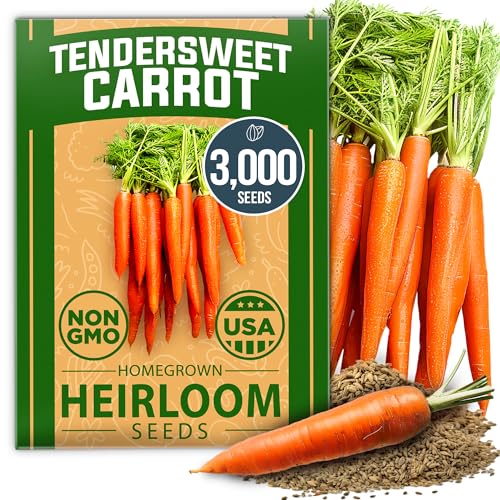
Premium Tendersweet Carrot Seeds: Authentic Open-Pollinated Premium Heirloom Seeds (USA) Non-GMO, Untreated, High Germination Rate. Phenomenal dessert Brix profile. High-impact carotene energy. An outstanding orange monolith for open ground, high ridges, and patio containers. Your garden bed is your pride.

Premium Seeds: Tendersweet heirloom carrot variety offering approximately 2600 seeds for extensive garden planting and multiple growing seasons

Sweet, Coreless Roots: Heirloom carrots with tender 9-10 inches orange taproots and high sugar content. Grow in 3-10 USDA zones. Great carrots seeds for planting in any home garden.
Maintenance Tips for Carrot Plants
Taking care of your carrot plants is essential for a successful harvest. Here are some maintenance tips to help you nurture your carrot crop:
- Watering: Ensure your carrot plants receive consistent moisture throughout the growing season. Water deeply to encourage strong root development.
- Weeding: Regularly remove weeds to prevent competition for nutrients and water. Be gentle to avoid damaging the delicate carrot roots.
- Thinning: As your carrot seedlings grow, thin them out to give each plant enough space to develop fully. Crowded carrots can lead to deformed roots.
- Pest Control: Keep an eye out for common pests like carrot rust fly and aphids. Consider using organic pest control methods to protect your plants.
- Fertilizing: Carrots are light feeders, so avoid over-fertilizing. Incorporate compost into the soil before planting for natural nutrients.
- Harvesting: When your carrots reach the appropriate size, gently loosen the soil around them and pull them out. Freshly harvested carrots are a delight!
| Fact | Data |
|---|---|
| Optimum Soil pH | 6.0-6.8 |
| Carrot Seed Depth | 1/4 to 1/2 inch |
| Ideal Spacing | 2-3 inches apart |
| Carrot Germination | 10-21 days |
| Recommended Mulching | Yes |
Recommended Products

Grow a Rich Garden: Big A Carrot Fertilizer, your ultimate organic vegetable fertilizer, guarantees a flourishing harvest for all your vegetables, with a special emphasis on carrots. Maintaining 100% organic integrity and enriched with essential nutrients, this fertilizer for vegetable gardens is specifically designed for a thriving garden, ensuring both productivity and safety.


Conclusion
Now that you have all the essential tips for growing healthy and delicious carrots in Indiana, you’re well-equipped to start your carrot planting journey. Remember to maintain consistent watering, weed diligently, thin seedlings when necessary, keep pests at bay, and follow the guidelines for harvesting. Pay attention to soil pH, seed depth, spacing, germination time, and consider mulching to optimize growth. By implementing these practices, you’ll soon be enjoying a bountiful harvest of flavorful carrots straight from your own garden. Happy planting!
Frequently Asked Questions
How often should I water my carrot plants?
Water your carrot plants consistently, ensuring the soil remains evenly moist but not waterlogged. Aim to water them deeply once or twice a week, depending on weather conditions.
Why is weeding important for carrot plants?
Weeding is crucial for carrot plants as it helps prevent competition for essential nutrients, water, and sunlight, ensuring optimal growth and maximizing yield.
How should I thin carrot seedlings?
Thin carrot seedlings by gently removing excess seedlings to allow adequate spacing, typically 2 inches apart, promoting healthy root development and preventing overcrowding.
What is the best way to control pests on carrot plants?
Implement organic pest control measures such as neem oil or introducing beneficial insects to manage common pests like aphids or carrot rust flies effectively.
When should I fertilize my carrot plants?
Apply a light fertilizer, such as a balanced organic blend, sparingly when planting carrot seeds and again when the plants are about halfway through their growth cycle.
What are the guidelines for harvesting carrots?
Harvest carrots when they reach maturity, typically 60-80 days after planting, by gently loosening the soil around the roots and pulling them out carefully to avoid damage.
What is the ideal soil pH for growing carrots?
The optimum soil pH for growing carrots ranges between 6.0 to 6.8, ensuring proper nutrient availability and promoting healthy root development.
How deep should I plant carrot seeds?
Plant carrot seeds about 1/4 to 1/2 inch deep in well-prepared, loose soil to facilitate germination and allow the roots to develop properly.
How far apart should I space carrot seeds when planting?
Space carrot seeds about 1 to 3 inches apart, ensuring adequate room for root development and preventing overcrowding for optimal growth.
Is mulching recommended for carrot plants?
Mulching is beneficial for carrot plants as it helps retain soil moisture, suppress weeds, and regulate soil temperature for improved growth and overall plant health.
