

Are you wondering how many cucumber plants you can fit in a 10-gallon grow bag? Picture this: you’re eager to start your cucumber garden, but you’re unsure about the ideal number of plants per bag. The struggle is real, right?
In this article, you’ll discover the perfect cucumber plant-to-bag ratio for optimal growth and yield. Imagine the convenience of knowing exactly how many plants to place in each grow bag, saving you time and effort while maximizing your harvest. Let’s dive in and unlock the secrets to successful cucumber cultivation in your garden.
Benefits of using 10-gallon grow bags for cucumber plants
Growing cucumber plants in 10-gallon grow bags offers several advantages:
- Mobility: You can easily move the bags to optimize sunlight exposure.
- Space-Saving: Ideal for small spaces like balconies or patios.
- Less Weeding: Reduces the need for weeding compared to traditional garden beds.
- Improved Drainage: Prevents waterlogging and root rot for healthier plants.
- Controlled Environment: Easier to monitor and adjust soil conditions for optimal growth.
Transitioning into the section on the ideal number of cucumber plants in these grow bags, let’s understand how maximizing these benefits depends on the right plant-to-bag ratio.
Recommended Products

Thickened Nonwoven Fabric: Crafted from 300G thickened breathable nonwoven fabric, these grow bags for plants provide moderate permeability for root respiration; BPA-free material ensures food safety for organic vegetables

What You Get :12 pack 10 gallons grow bags with 12pcs plant labels. 10 gallons pot dimensions : 16" Diameter 12" Height.

[Premium Fabric Material]: Lyincat grow bags are made of 300 gram non-woven fabric, which is highly permeable, environmentally friendly, heavy duty and durable, anti-sun and rain, easy to clean.
Factors to consider when determining plant spacing in grow bags
When deciding how many cucumber plants to place per 10-gallon grow bag, there are several key factors to take into consideration:
- Plant Size: Consider the mature size of the cucumber plant you intend to grow. Ensure that each plant has enough space to spread its roots and grow properly.
- Growing Conditions: Evaluate the amount of sunlight, water, and nutrients available to the plants in the grow bag. Different plants may have varying requirements.
- Cultivation Goals: Determine your desired yield and growth rate for the cucumber plants. This will influence the spacing needed to achieve your objectives.
- Air Circulation: Adequate space between plants in the grow bag allows for proper air circulation. This helps prevent diseases and promotes healthy growth.
- Maintenance Ease: Consider how easily you can access and care for each plant when determining the spacing. Overcrowding can make tasks like watering and pest control challenging.
- Companion Planting: Explore the option of companion planting with other vegetables or herbs in the same grow bag. Some plants grow well together and can benefit each other.
By carefully assessing these factors, you can determine the ideal number of cucumber plants to grow in each 10-gallon grow bag for optimal growth and yield.
Ideal cucumber plant-to-bag ratio for optimal growth
When deciding on the number of cucumber plants to grow in a 10-gallon grow bag, it’s crucial to strike a balance between space utilization and optimal growth conditions. Here’s a practical guide to help you determine the ideal cucumber plant-to-bag ratio for maximizing your harvest:
- One Cucumber Plant per Bag: Optimal for larger varieties that require ample space for root development and tend to grow vigorously.
- Two Cucumber Plants per Bag: Suitable for smaller cucumber varieties or those that don’t spread out as much, maximizing bag usage.
- Consider Companion Planting: Pairing cucumbers with complementary plants can optimize space and support healthy growth. For instance, planting basil or marigolds with cucumbers can help repel pests and improve flavor.
- Ensure Adequate Air Circulation: Regardless of the number of plants per bag, maintaining proper air circulation is key to preventing diseases and promoting robust growth.
- Regular Maintenance: By monitoring plant health, providing sufficient water and nutrients, and pruning when necessary, you can ensure vigorous growth and bountiful harvests.
| Key Point | Recommendation |
|---|---|
| Ideal Plant-to-Bag Ratio | 1-2 cucumber plants per 10-gallon grow bag |
| Companion Planting | Consider planting basil or marigolds alongside |
| Maintenance Tips | Regular watering, monitoring, and pruning practices |
Recommended Products
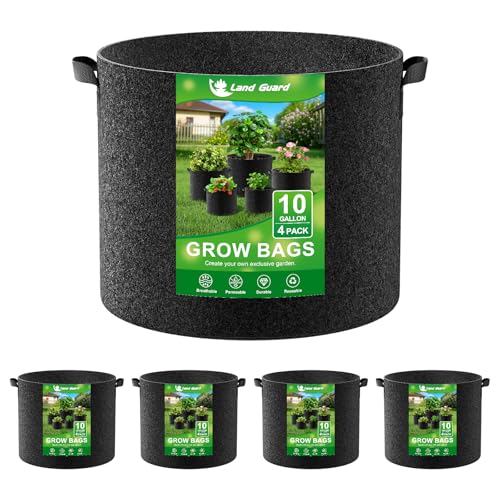
Sturdy Fabric Material: Our Non-Woven fabric grow bags are crafted using high-strength weaving technology, which allows the planting bags to remain lightweight while possessing an impressive ability to bear weight.
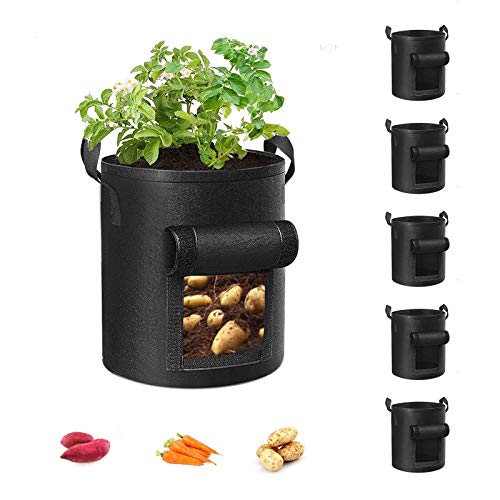
Durable Material: Made of 300g thick non-woven fabric that can be reused for more than 3 years.

Grow Bags with Terracotta Plant Self-Watering Stakes Kit: You will receive 5-Pack 10 gallon grow bags, 5 pack terracotta vacation plant waterer, 5pcs plant lables. Pot Dimension - 10 Gal - 15.75" Diameter 11.8" Height. Approx. 10 gallon. The size of one watering spike is 6.9” long and the diameter is 1.73in. This plant watering stake kit is suitable for houseplants, patio pots, or garden containers, these watering spikes help maintain steady soil moisture in different environments, keeping plants healthy without daily attention.
Tips for maintaining healthy cucumber plants in grow bags
- Regular Watering: Keep the soil consistently moist, but not waterlogged.
- Monitor Moisture Levels: Stick your finger into the soil to check if it’s dry before watering.
- Proper Drainage: Ensure your grow bags have drainage holes to prevent waterlogging.
- Fertilize: Feed your cucumber plants with a balanced fertilizer every few weeks, following package instructions.
- Pruning: Trim off any dead or yellow leaves to encourage new growth.
- Check for Pests: Keep an eye out for pests like aphids or spider mites regularly.
- Harvest Frequently: Harvesting ripe cucumbers encourages the plant to produce more.
Recommended Products

Thickened Non-Woven Fabric: Made of thickened non-woven fabric that is breathable and allows air to circulate without stuffiness.

Superior Drainage & Root Health:300G thickened non-woven fabric provides excellent airflow and fast drainage, preventing over-watering and root rot while promoting stronger, healthier root systems for higher yields.

Square and Sturdy: Made of 260g of thickened nonwoven fabric, these grow bags allow for gardening in square-foot raised pots, which saves space and help utilize limited space in an efficient way
Benefits of Companion Planting
- Pest Repellent: Basil and marigolds planted nearby can deter pests.
- Flavor Enhancement: Companion plants can improve the flavor of your cucumbers.
Importance of Air Circulation
- Prevent Diseases: Good air circulation reduces the risk of fungal diseases.
- Use a Fan: If growing indoors, a fan helps air circulation.
- 1-2 Plants: Maintain 1-2 cucumber plants per 10-gallon grow bag for best results.
Conclusion
Remember, keeping your cucumber plants healthy in grow bags involves regular watering, monitoring moisture levels, proper drainage, fertilizing, pruning, pest checking, and frequent harvesting. Consider companion planting with basil and marigolds for added benefits. Don’t forget the importance of air circulation—especially if you’re growing indoors. Stick to 1-2 cucumber plants per 10-gallon grow bag to ensure they thrive. Happy gardening!
Frequently Asked Questions
1. How often should I water my cucumber plants in grow bags?
Water your cucumber plants in grow bags regularly, ensuring the soil is consistently moist but not waterlogged.
2. How can I monitor moisture levels in the grow bags?
You can monitor moisture levels by feeling the soil with your fingers or using a moisture meter to check if watering is needed.
3. Why is proper drainage important for cucumber plants in grow bags?
Proper drainage is crucial as it helps prevent waterlogging, which can lead to root rot and other issues in cucumber plants.
4. When should I fertilize my cucumber plants in grow bags?
Fertilize your cucumber plants in grow bags every 2-3 weeks with a balanced fertilizer to ensure they have the nutrients they need to thrive.
5. How should I prune my cucumber plants?
Prune your cucumber plants by removing any yellow or damaged leaves, as well as excess vines to promote air circulation and healthy growth.
6. How can I check for pests on my cucumber plants?
Regularly inspect your cucumber plants for pests such as aphids, spider mites, or cucumber beetles, and take appropriate measures to control them.
7. Why is companion planting with basil and marigolds beneficial for cucumber plants?
Companion planting with basil and marigolds can help repel pests and enhance the flavor of your cucumber plants naturally.
8. How can I ensure proper air circulation for indoor cucumber cultivation?
You can improve air circulation for indoor cucumber cultivation by using a fan to mimic outdoor breezes and prevent disease development.
9. How many cucumber plants should I grow per 10-gallon grow bag?
For optimal growth, maintain 1-2 cucumber plants per 10-gallon grow bag, ensuring they have enough space to flourish.
