

Have you ever wondered when the perfect time is to pick your romaine lettuce? Timing can make all the difference between a crisp, delicious salad and a bitter disappointment. If you’ve spent time nurturing your garden, you want to ensure you harvest at just the right moment.
Key Takeaways
- Optimal Harvest Timing: Romaine lettuce should be harvested when the leaves are at least 6 to 8 inches long, dark green, and firm to ensure the best flavor and texture.
- Growth Stages: Understanding the growth stages—seedling, vegetative, and maturing—helps gardeners know when their romaine is ready for harvest, typically around 6 to 10 weeks after planting.
- Ideal Growing Conditions: Romaine thrives in cooler temperatures (60°F to 70°F) and well-draining, nutrient-rich soil with a pH between 6.0 and 7.0 for optimal growth and flavor.
- Proper Harvest Techniques: Use sharp tools to make clean cuts, harvest in the morning, and handle leaves carefully to minimize bruising and maintain freshness.
- Effective Storage Methods: Store freshly harvested romaine in the crisper drawer of your refrigerator, wrapped in a damp paper towel within a breathable bag for optimal preservation and crispness.
- Regular Maintenance: Check stored romaine regularly for any wilted leaves and remove them promptly to prevent spoilage, aiming to consume the lettuce within 7 to 10 days post-harvest.
Understanding Romaine Lettuce
Romaine lettuce, a popular salad green, features a crisp texture and robust flavor. Knowing its characteristics and growth stages helps determine the best time to harvest.
Characteristics of Romaine Lettuce
Romaine lettuce boasts several distinct features:
- Leaves: Dark green, elongated leaves, with a crunchy texture.
- Heads: Tight, upright heads that can grow 12 to 18 inches tall.
- Taste: A slightly bitter yet refreshing flavor, ideal for salads and sandwiches.
- Nutritional Profile: Rich in vitamins A, C, and K, as well as folate and fiber.
These characteristics contribute to its culinary versatility and popularity among gardeners.
Growth Stages of Romaine Lettuce
Romaine lettuce progresses through defined stages:
- Seedling Stage: This initial phase lasts 1 to 2 weeks. Little leaves emerge from the soil.
- Vegetative Stage: Lasting 4 to 6 weeks, the plant develops a robust root system and larger leaves during this phase.
- Maturing Stage: The final phase occurs around 6 to 10 weeks after planting. Heads become tight and firm, indicating readiness for harvest.
Monitoring these growth stages ensures you pick romaine lettuce at the optimal time for maximum flavor and texture.
Optimal Growing Conditions
Romaine lettuce thrives under specific conditions that ensure healthy growth and optimal flavor. Understanding these conditions can lead to a successful harvest.
Recommended Products

Ready to Use, Right from the Bag: No prep required. This raised bed garden soil is packed with organic compost and nutrients, ready to use for quick and easy planting

● HARVEST: Miracle-Gro Organic Raised Bed & Garden Soil is guaranteed to grow more vegetables for a bigger harvest versus unfed plants (satisfaction guaranteed or your

Feeds Plants For up to 2 Months: Blended with quick-release natural fertilizer to jump-start growth and nourish vegetables, herbs, fruits, and flowers
Soil Requirements
Romaine lettuce prefers well-draining soil rich in organic matter. Aim for a pH level between 6.0 and 7.0. Incorporate compost or aged manure into your soil to enhance nutrients. Using raised beds can improve drainage and soil quality, which promotes robust root development. Space the plants 10-12 inches apart, allowing for air circulation and sufficient room to grow.
Climate Considerations
Romaine lettuce grows best in cooler temperatures, ideally between 60°F and 70°F. Exposure to temperatures above 75°F can lead to bolting, where plants flower and go to seed, compromising taste. If you live in a warmer climate, consider planting in early spring or late summer to avoid extreme heat. Providing partial shade during peak sun can also help maintain ideal temperatures for growth. Water consistently to keep the soil moist but not soggy, as this helps prevent stress on the plants.
Signs of Readiness
Recognizing when romaine lettuce is ready to harvest involves observing several key signs. You can ensure a delicious and rewarding harvest by paying attention to leaf size, color, texture, and firmness.
Leaf Size and Color
Look for leaves that are at least 6 to 8 inches long. This length indicates that the plant is mature enough for harvesting. The color of the leaves is equally important. You want a vibrant, dark green hue. Lighter green leaves might suggest that the lettuce is still growing and not quite ready. Examine the outer leaves; they should appear healthy and robust while the inner leaves remain tender and crisp.
Texture and Firmness
Assess the texture of the leaves. Firm, crisp leaves are a clear indication that the lettuce is ready. When you gently squeeze the head, it should feel solid. A loose or floppy texture signals that the romaine is not optimal for harvesting. You may also want to check for pests or damage, as these factors impact the overall quality. Take a moment to inspect before making your final decision on harvest timing.
Harvesting Techniques
Harvesting romaine lettuce involves specific techniques to ensure the best quality. Using the right tools and methods makes a big difference in your harvest.
Recommended Products

IDEAL GARDEN BASKET: Basket made of durable, plastic with multi-functional features to simplify collecting, transporting, and cleaning harvested produce or tools; Designed with two sets of handles for each user's preferred carry

HERB GARDENING ESSENTIAL: Stainless steel blade plant shears with sheath ideal for harvesting herbs outdoors or with a window herb garden for kitchen; encourages overall lawn and garden health, or perfect gift to go with any indoor herb garden kit
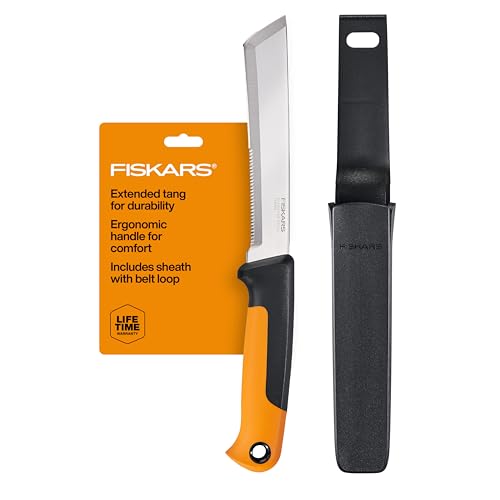
IDEAL FOR HARVESTING: Includes (1) Fiskars Harvesting Knife with hard plastic sheath and belt loop; perfect for thick stalks and stems, ensuring clean and precise cuts with ease in vegetable gardens and orchards; backed by a Lifetime Warranty
Tools Needed for Harvesting
Gather these essential tools before starting your harvest:
- Sharp Knife or Scissors: A clean, sharp blade helps make precise cuts without damaging the plant.
- Garden Gloves: Protect your hands from dirt and potential irritants during the harvest.
- Basket or Container: Use a breathable basket or container to store your lettuce. This helps maintain freshness and prevents bruising.
- Water Spray Bottle: Mist your harvested lettuce lightly to keep it hydrated and crisp until you’re ready to clean it.
Proper Cutting Methods
Follow these steps for the best cutting method:
- Identify Harvest Time: Ensure the romaine reaches at least 6 to 8 inches in height and maintains a dark green color.
- Select the Right Leaves: Target the outer leaves first. This allows the inner leaves to continue growing.
- Make Clean Cuts: Cut the base of the leaf or head at an angle about 1 to 2 inches above the soil. This minimizes damage to the plant.
- Harvest in the Morning: Pick your lettuce in the early morning when temperatures are cooler. This helps preserve freshness.
- Avoid Bruising: Handle the lettuce carefully. Place it gently into your basket to avoid bruising or damage.
These techniques help ensure every leaf is as fresh and tasty as possible for your salads and meals.
Storage Tips
Storing freshly harvested romaine lettuce properly helps retain its quality and flavor. Follow these guidelines to ensure your lettuce stays crisp and delicious.
Recommended Products

Keep your produce fresh for longer: The PrepSolutions Lettuce Keeper keeps your produce fresh with an adjustable air vent and water reservoir, creating the ideal environment for fresh fruits and vegetables. Item measures 12.5" W x 7.25" D x 5.25" H and weighs 1.14 lbs.

𝐊𝐞𝐞𝐩𝐬 𝐕𝐞𝐠𝐞𝐭𝐚𝐛𝐥𝐞𝐬 𝐅𝐫𝐞𝐬𝐡 𝐋𝐨𝐧𝐠𝐞𝐫: The Home-X salad keeper for refrigerator is designed to preserve the freshness of lettuce, broccoli, cauliflower, and more. It creates an ideal cold, moist storage environment to help your vegetables stay crisp and fresh for longer periods.

Help Keep Produce Fresh Longer: Fridge-friendly storage helps keep produce fresh longer with an inner basket keeps produce elevated and promotes optimal air circulation to keep things fresh
Best Practices for Refrigeration
- Trim and Clean: Remove any damaged or wilted leaves before storage. Rinse the lettuce under cool water to eliminate dirt or pests. Pat it dry with a clean towel or use a salad spinner.
- Wrap: Wrap the cleaned romaine in a slightly damp paper towel. This method keeps moisture levels balanced, preventing the leaves from getting too dry or too soggy.
- Seal: Place the wrapped lettuce in a breathable plastic bag or a container with ventilation holes. Avoid sealing the bag completely; some air circulation helps maintain freshness.
- Store: Position the wrapped lettuce in the crisper drawer of your refrigerator. The ideal temperature is between 32°F and 36°F for optimal preservation.
- Check Regularly: Inspect your stored romaine every few days. Remove any wilted pieces to prevent spoilage from spreading.
- Rehydrate: If the leaves look limp, briefly soak them in cold water. Allow them to dry completely before storing them again.
- Avoid Ethylene Gas: Keep romaine away from fruits like apples and bananas that emit ethylene gas. This gas accelerates ripening, leading to faster deterioration of your lettuce.
- Use Quickly: Aim to consume your romaine within 7 to 10 days after harvesting for the best flavor and texture.
By following these storage tips, you can keep your romaine lettuce fresh longer, enhancing your salads and meals with its crispness and flavor.
Conclusion
Harvesting romaine lettuce at the right time can make all the difference in your meals. By keeping an eye on the growth stages and the signs of readiness, you’ll ensure your lettuce is fresh and flavorful. Remember to use the proper techniques for cutting and storing your harvest to maintain its quality.
With a little care and attention, you can enjoy the fruits of your labor in delicious salads and dishes. So get out there and pick that romaine when it’s just right. Your taste buds will thank you!
Frequently Asked Questions
When is the best time to harvest romaine lettuce?
Romaine lettuce should be harvested when the leaves are 6 to 8 inches long and exhibit a vibrant dark green color. Harvesting in the early morning is ideal, as this helps maintain freshness. Monitoring growth stages and signs of readiness ensures a flavorful yield.
What are the optimal growing conditions for romaine lettuce?
Romaine lettuce thrives in well-draining soil enriched with organic matter, with a pH between 6.0 and 7.0. Ideal temperatures range from 60°F to 70°F. Consistent watering and partial shade during peak sun are essential for healthy growth.
How can I tell if my romaine lettuce is ready to be picked?
Look for leaves that are firm, crisp, and at least 6 to 8 inches long. The leaves should have a deep green color; lighter leaves indicate that the lettuce is still maturing. Check for solidness by gently squeezing the head.
What tools do I need for harvesting romaine lettuce?
Essential tools include a sharp knife or scissors, garden gloves, a breathable basket or container, and a water spray bottle for misting. These tools ensure a clean and efficient harvesting process, maintaining the quality of the lettuce.
How should I store freshly harvested romaine lettuce?
Trim and clean the lettuce, then wrap it in a slightly damp paper towel. Place it in a breathable bag or container and store it in the refrigerator’s crisper drawer at 32°F to 36°F. Consume within 7 to 10 days for the best flavor.
What nutritional benefits does romaine lettuce offer?
Romaine lettuce is rich in vitamins A, C, and K, along with folate and fiber. These nutrients contribute to overall health, making romaine a great choice for salads and other dishes.
