

Have you ever watched helplessly as your beautiful lettuce plants fell victim to pesky insects? You’re not alone. Many gardeners face the same frustrating battle against pests that threaten to ruin their hard work and delicious harvest.
Key Takeaways
- Identify Common Pests: Recognize various pests affecting lettuce, such as aphids, cutworms, and slugs, to effectively target control measures.
- Implement Preventive Techniques: Use proper planting methods, crop rotation, and companion planting to reduce pest infestations naturally.
- Utilize Organic Solutions: Employ homemade remedies like soap sprays and garlic concoctions to deter pests while minimizing chemical use.
- Encourage Beneficial Insects: Attract insects like ladybugs and lacewings to create a natural ecosystem that helps control harmful pest populations.
- Practice Safe Chemical Use: If necessary, apply pesticides responsibly and follow safety guidelines to protect both plants and the environment.
- Maintain Plant Health: Focus on soil quality, nutrition, and proper watering to enhance lettuce resilience against pests.
Understanding Lettuce Pests
Lettuce pests can significantly impact your garden’s health. Recognizing these pests and their signs is essential for maintaining robust lettuce plants.
Common Types of Lettuce Pests
- Aphids: Small, soft-bodied insects that cluster on leaves. They suck sap, causing leaves to yellow and curl.
- Lettuce Looper: A caterpillar that creates holes in leaves as it feeds. You’ll notice distinct, uneven edges on the foliage.
- Cutworms: These larvae cut young plants at the base, leading to wilting or death. They often hide in the soil during the day.
- Slugs and Snails: These pests leave a shiny, slimy trail on your lettuce. You’ll find irregular holes in the leaves, especially at night.
- Flea Beetles: Tiny black or metallic beetles that chew small holes. They’re particularly active in warm weather and can quickly damage seedlings.
- Leaf Damage: Look for holes, notches, or entire leaves missing, indicating feeding activity.
- Stunted Growth: Affected plants may grow slower or appear weak, often due to pests sucking vital nutrients.
- Yellowing Leaves: Discoloration often signals aphids or other sap-sucking insects at work.
- Presence of Excrement: Black specks on leaves suggest an infestation. This waste indicates active pests feeding.
- Visible Insects: Finding pests on or near your plants confirms an infestation. Check under leaves and around plant bases for hidden insects.
Effective Prevention Strategies
Protecting your lettuce from pests requires a strategic approach. Implementing proper techniques can lead to healthy growth and minimize pest problems.
Recommended Products

Black Seeded Simpson is a classic heirloom loose leaf lettuce with large, tender green leaves and a mild, sweet flavor. Harvest fresh leaves for salads, sandwiches, wraps, and other homegrown meals.

5-Variety Lettuce Seed Collection - Enjoy a continuous harvest of fresh, flavorful greens! This lettuce seed collection includes Black Seeded Simpson, Iceberg, Buttercrunch, Parris Island Cos, and Lolla Rossa Lettuce.

YEAR-ROUND GARDEN FAVORITE – Dependable butterhead lettuce that thrives in cool or moderate weather for consistent harvests from spring through fall, even under cover in winter
Proper Planting Techniques
Select a sunny location with well-draining soil for your lettuce. Space plants appropriately, generally 6 to 12 inches apart, to improve airflow, which reduces humidity and deters pests. Consider rotating crops each season. This method disrupts the life cycles of pests that may linger in the soil. Planting lettuce in raised beds can also help as it reduces soil compaction and improves drainage, making conditions less favorable for pests.
Companion Planting Benefits
Utilize companion planting to enhance your garden’s defenses. Planting marigolds alongside lettuce can repel aphids and nematodes. Incorporating garlic or chives provides a natural pest deterrent. Other beneficial companions include basil, which attracts beneficial insects and improves lettuce flavor. To maximize effectiveness, position these plants close to your lettuce to create a protective barrier against pests.
Organic Pest Control Methods
Organic pest control methods provide effective ways to protect your lettuce plants without harmful chemicals. By using natural solutions, you can create a safer gardening environment.
Recommended Products

FUNGAL DISEASE CONTROL: Prevents and controls black spot on roses, powdery mildew, rust, downy mildew, and other listed fungal diseases when applied on a 7–14 day schedule

Protect your oasis with 3 garden products in 1 from Captain Jack’s; Bonide Captain Jack’s Ready-to-Use Neem Oil spray for plants is a multi-purpose fungicide, insecticide and miticide for your lawn & garden

PLANT DISEASE CONTROL: Natria Neem Oil acts as an insecticide and fungicide in one convenient spray; Ready-to-use trigger sprayer requires no mixing
Homemade Remedies
Homemade remedies offer several options to deter pests. Here are some effective solutions:
- Soap Spray: Mix 1 tablespoon of liquid soap with a quart of water. Spray directly on affected leaves to suffocate soft-bodied insects like aphids.
- Garlic and Pepper Spray: Blend 1 garlic bulb with 1 tablespoon of cayenne pepper and a quart of water. Let it steep overnight, strain, and spray on lettuce leaves to repel pests.
- Neem Oil: Dilute neem oil according to package instructions. Apply it every 7-14 days to disrupt pests’ life cycles and prevent infestation.
- Diatomaceous Earth: Sprinkle food-grade diatomaceous earth around plants. This powder damages the exoskeletons of crawling insects, effectively deterring them.
- Coffee Grounds: Spread used coffee grounds around the base of your lettuce plants. The smell repels slugs and snails, while also enriching the soil.
Beneficial Insects
Incorporating beneficial insects encourages a natural ecosystem that protects your lettuce plants. Here are some helpful insects to attract:
- Ladybugs: These insects feed on aphids and other soft-bodied pests. You can attract them by planting daisies and cilantro.
- Lacewings: Lacewing larvae consume aphids, caterpillars, and thrips. Planting sweet alyssum can draw these insects to your garden.
- Parasitic Wasps: Tiny wasps, like Trichogramma, target caterpillars. Their presence significantly reduces pest populations. Bumblebees, for example, may house these beneficial wasps.
- Predatory Mites: These small predators feed on spider mites, which can harm lettuce plants. Introducing them can help keep spider mite populations in check.
- Hoverflies: Hoverfly larvae eat aphids. Planting herbs like dill and fennel can attract these beneficial insects.
By utilizing homemade remedies and attracting beneficial insects, you can effectively protect your lettuce from pests.
Chemical Pest Control Options
Chemical pest control options provide additional methods to combat pests threatening your lettuce plants. It’s essential to use these chemicals responsibly and be aware of safety guidelines.
Recommended Products

READY-TO-USE CONTACT SPRAY: No mixing required. Thoroughly spray insecticide on all plant parts, including the underside of leaves. Pests must be sprayed directly to achieve control
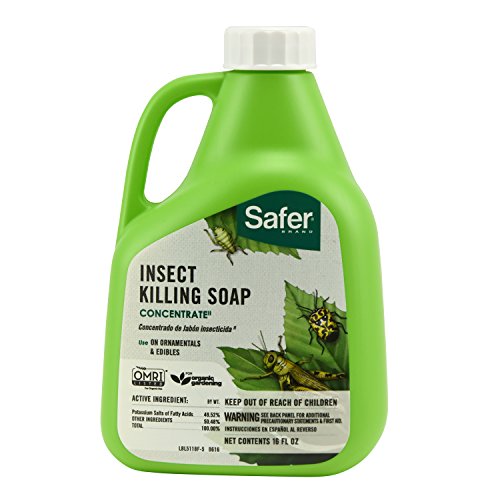
GENTLE ON MOST PLANTS - This aphid spray is ideal for use on flowers, herbs, vegetables, houseplants, lawn, tree, shrubs, and more

EASY TO USE: The ready-to-use indoor bug spray bottle makes application easy
Pesticides: When and How to Use
Apply pesticides when pest populations are high, typically during early morning or late evening when beneficial insects are less active. Choose a pesticide specifically designed for lettuce pests, such as insecticidal soaps or targeted sprays for aphids and loopers. Follow label instructions carefully regarding dosage and frequency of application.
For best results, aim for even coverage on both the tops and undersides of the leaves where pests often reside. Reapply after heavy rain or if you notice pest resurgence. Monitor your plants closely after application to evaluate effectiveness and adjust your approach as needed.
Safety Precautions
Prioritize safety when using chemical pest control. Wear gloves, long sleeves, and a mask to avoid contact with skin and inhalation of fumes. Ensure the area is well-ventilated during application.
Keep children and pets away from treated areas for the recommended period specified on the pesticide label. Store pesticides securely, keeping them out of reach. Rinse any equipment used in application thoroughly to prevent accidental contamination.
By following these guidelines, you can effectively utilize chemical pest control methods while maintaining a safe garden environment.
Maintaining Healthy Lettuce Plants
Maintaining healthy lettuce plants is crucial for preventing pest infestations. Focus on soil quality, nutrition, and proper watering to create an environment that discourages pests.
Soil Health and Nutrition
Healthy soil supports robust lettuce growth. Ensure soil is rich in organic matter by adding compost or well-rotted manure. A soil pH of 6.0 to 7.0 is ideal for lettuce.
Test your soil regularly. Soil tests can help determine nutrient levels. Based on the results, amend soil with balanced fertilizers. Use a light application of nitrogen-rich fertilizers to promote leafy growth.
Mulching helps retain moisture and suppress weeds. Apply a 2 to 4-inch layer of organic mulch, such as straw or shredded leaves. Additionally, avoid over-fertilization, as excess nutrients can attract pests.
Watering Practices
Proper watering practices promote healthy lettuce growth while reducing pest risk. Water lettuce deeply but infrequently. Aim for 1 to 1.5 inches of water per week, either through rainfall or irrigation.
Water early in the day to minimize evaporation. Keep foliage dry to discourage fungal diseases that may attract pests. Drip irrigation or soaker hoses target roots directly, promoting healthy growth.
Monitor soil moisture levels consistently. Use your finger or a moisture meter to check the soil’s dampness about an inch below the surface. Adjust your watering schedule based on weather conditions—more frequent watering may be necessary during hot, dry spells.
Conclusion
Protecting your lettuce from pests doesn’t have to be a daunting task. By combining the right techniques and strategies you can create a thriving environment for your plants. Remember to keep an eye on soil health and moisture levels while incorporating companion plants to naturally deter unwanted visitors.
Whether you choose organic remedies or responsible chemical options your lettuce can flourish with a little extra care. Stay vigilant and proactive in your approach and you’ll enjoy a bountiful harvest free from pesky intruders. Happy gardening!
Frequently Asked Questions
What are common pests that affect lettuce plants?
Common pests that affect lettuce plants include aphids, lettuce loopers, cutworms, slugs, snails, and flea beetles. Each of these pests causes specific damage, such as yellowing leaves, holes, and stunted growth. Identifying these pests early is crucial for effective management.
How can I recognize a pest infestation on my lettuce?
You can recognize a pest infestation by looking for visible insects, leaf damage, and the presence of excrement. Signs like unusual leaf yellowing or holes in the leaves are key indicators that pests may be present.
What are effective prevention strategies for lettuce pests?
Effective prevention strategies include selecting a sunny location with well-draining soil, proper spacing of plants, practicing crop rotation, and using raised beds. Companion planting with marigolds, garlic, and basil can also help repel harmful insects.
What organic methods can I use to control lettuce pests?
Organic methods for controlling lettuce pests include homemade remedies like soap spray, garlic and pepper spray, and neem oil. Additionally, using diatomaceous earth and introducing beneficial insects like ladybugs can create a natural ecosystem that protects your plants.
When should I use chemical pesticides on lettuce?
Chemical pesticides should be used responsibly and applied during early morning or late evening when beneficial insects are less active. Choose pesticides specifically designed for lettuce pests and ensure to follow safety precautions to protect children and pets.
How can I maintain healthy lettuce plants to prevent pests?
Maintaining healthy lettuce plants involves improving soil quality with organic matter, regularly testing soil nutrient levels, and ensuring proper watering practices. Mulching helps retain moisture and suppress weeds, creating an environment less favorable for pests.
What watering practices are best for growing lettuce?
For optimal lettuce growth, water deeply but less frequently, aiming for 1 to 1.5 inches of water per week. Water early in the day to minimize evaporation, and consistently monitor soil moisture to adjust your watering schedule based on weather conditions.
