

Are you ready to enjoy fresh, crisp lettuce right from your garden? Planting lettuce starts is a simple and rewarding way to elevate your meals. Whether you’re a seasoned gardener or just starting out, the thrill of growing your own greens is hard to beat.
You might have tried growing lettuce from seeds only to end up with patchy results. Don’t worry; planting starts can be a game-changer. This article will guide you through the steps to successfully plant lettuce starts, ensuring you get a bountiful harvest. You’ll learn tips and tricks that make the process easy and enjoyable, so you can savor the taste of homegrown lettuce in no time.
Key Takeaways
- Benefits of Planting Lettuce Starts: Provides fresh, nutrient-dense greens while reducing environmental impact and waste from commercial farming practices.
- Choosing the Right Variety: Select from popular options like Romaine and Butterhead based on climate, taste, and intended use to ensure better growth and flavor.
- Soil Preparation: Ensure well-draining, nutrient-rich soil with a pH of 6.0-7.0 to foster optimal lettuce growth, enhanced with organic matter.
- Planting Techniques: Space starts 10-12 inches apart, position them correctly, and immediately water after planting to help them establish.
- Ongoing Care: Maintain consistent moisture, monitor for pests, and apply mulch to conserve water and prevent weeds for healthy, thriving lettuce plants.
- Timing is Key: Plant in early spring or late summer when temperatures are ideal, ensuring young seedlings are not exposed to frost conditions.
Benefits Of Planting Lettuce Starts
Planting lettuce starts offers numerous advantages that enhance both your gardening experience and the quality of your harvest.
Nutritional Value
You gain fresh, nutrient-dense greens when you plant lettuce starts. Lettuce varieties like Romaine and Butterhead are rich in vitamins A and K, along with essential minerals like calcium and potassium. These nutrients contribute to overall health and support body functions. For example, just one cup of shredded Romaine lettuce provides about 15% of your daily vitamin A needs.
Environmental Impact
You can make a positive impact on the environment by growing lettuce starts. Home gardening reduces reliance on commercially produced lettuce, which often involves environmentally harmful practices. Cultivating your own lettuce lowers carbon footprints associated with transportation and packaging. Additionally, planting starts results in less waste since you control the amount of produce harvested without excess shipping waste. Through responsible gardening, you contribute to a more sustainable food system.
Choosing The Right Lettuce Variety
Selecting the right lettuce variety is crucial for successful growing. Consider taste, texture, and growing conditions when making your choice.
Recommended Products

Exceptional Germination Rates - Achieve a lush garden effortlessly with our Butter Crunch Lettuce seeds, boasting high germination rate. Ideal for both beginners and experienced gardeners, ensuring a successful harvest every time.

🥬 Heat-Tolerant Upright Romaine: Jericho Romaine Lettuce (Lactuca sativa) forms tall, sturdy heads with crisp ribs and tender, mildly sweet leaves. Known for its strong heat tolerance compared to many romaine varieties, it grows 18–24 inches tall and delivers reliable harvests in extended spring and early summer conditions.

10 LETTUCE VARIETIES – Lettuce (Lactuca sativa) varieties for your garden, including Buttercrunch, Green Salad Bowl, Iceberg, Lolla Rossa, Oakleaf, Parris Island Romaine, All the Year Round, Black Seeded Simpson, Red Romaine, and Red Salad Bowl
Popular Varieties
- Romaine: Crunchy leaves, ideal for salads and sandwiches. Grows well in cooler temperatures.
- Butterhead: Soft, tender leaves with a sweet flavor. Thrives in moderate climates and works great for wraps.
- Iceberg: Crisp with a mild taste, perfect for burgers. Prefers full sun and well-drained soil.
- Leaf Lettuce: Loose leaves that come in various colors. Quick to grow, making it great for succession planting.
- Batavia: Thick, crispy leaves combining qualities of romaine and butterhead. Resilient to heat, suitable for warmer areas.
- Cool Weather: Choose varieties like Romaine and Butterhead, which prefer temperatures between 60°F and 70°F. Avoid planting during peak summer heat.
- Warmer Climates: Select heat-resistant varieties like Batavia and certain Leaf Lettuce types. These can tolerate higher temperatures and are less likely to bolt.
- Sunlight: Ensure at least 6 hours of direct sunlight daily. If you live in a hotter climate, partial shade during the hottest part of the day helps prevent wilting.
- Soil Type: Opt for well-draining soil rich in organic matter. Adjust pH levels to 6.0-7.0 for optimal growth.
Understanding these factors ensures you select the right variety that suits your growing environment, making it easier to enjoy fresh lettuce from your garden.
Preparing For Planting Lettuce Starts
Preparing for planting lettuce starts involves understanding soil requirements and gathering necessary tools. Proper groundwork ensures optimal growth for your lettuce plants.
Recommended Products
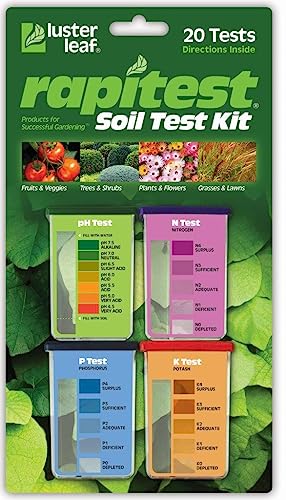
Quick, at home results for Soil pH, Nitrogen, Phosphorous and Potash Innovative and inexpensive soil test kit features an easy-to-use capsule system and patented color comparators

Kindly NOTE: This soil tester can not be applied to test pH value of any other liquid. If the soil is too dry the indicator will not move, and water it before testing.

KNOW BEFORE YOU GROW | Grow the healthiest, sustainable lawn and garden with the most accurate and easy to use professional soil test kit on the market
Soil Requirements
Lettuce thrives in well-draining soil rich in organic matter. Aim for a soil pH between 6.0 and 7.0 for the best results.
- Organic Matter: Mix compost or well-rotted manure into the soil to enhance fertility.
- Texture: Use loamy or sandy soil that allows good drainage to prevent root rot.
- Nutrients: Consider adding a balanced fertilizer to provide essential nutrients.
Testing the soil before planting ensures proper conditions for growth. You can purchase soil test kits at garden centers to determine nutrient levels and pH.
Tools And Supplies Needed
Gathering the right tools makes planting lettuce starts easier and more efficient.
- Garden Trowel: A must for digging holes and mixing soil.
- Measuring Tape: Helps ensure proper spacing between plants.
- Watering Can or Hose: Use to keep soil moist without overwatering.
- Plant Labels: Ideal for marking different lettuce varieties if planting multiple types.
- Mulch: Adds a layer to retain moisture and suppress weeds.
Having these tools on hand promotes an organized and productive planting experience. Prepare everything before you start to streamline the process.
Planting Process
Planting lettuce starts involves specific steps to ensure healthy growth. Follow the guidelines below for the best results.
Timing Your Planting
Timing significantly affects lettuce growth. For most regions, plant your lettuce starts in early spring or late summer. These seasons provide optimal temperatures, with daytime highs around 60°F to 70°F. Monitor your local frost dates and avoid planting if frost threatens young seedlings. If you plan for a fall harvest, allow at least 6-8 weeks before the first expected frost date.
Proper Planting Techniques
Use these techniques to plant your lettuce starts effectively:
- Spacing: Space your starts 10-12 inches apart. This encourages airflow and reduces competition for nutrients.
- Depth: Dig a hole deep enough to accommodate the root ball. Typically, a depth of 2-3 inches is appropriate to support the plant without burying its leaves.
- Positioning: Place the start in the hole, ensuring the top of the root ball aligns with the soil surface. Avoid covering the stem to promote healthy growth.
- Watering: Water the newly planted starts immediately. Use a gentle stream to prevent disturbing the soil. Keep the soil consistently moist for the first two weeks as the plants establish roots.
- Mulching: Add a layer of mulch around the plants to retain moisture and suppress weeds. Organic materials like straw or shredded leaves work well.
By following these steps, you maximize your chance of a successful lettuce harvest while enjoying the benefits of home gardening.
Caring For Lettuce Starts
Caring for lettuce starts involves proper watering, pest management, and attention to environmental factors. Following these best practices will help ensure healthy, vibrant growth.
Recommended Products

HELPS REGULATE SOIL MOISTURE: Miracle-Gro Organic Indoor Potting Soil Mix is an organic potting soil that protects indoor plants against over and under watering
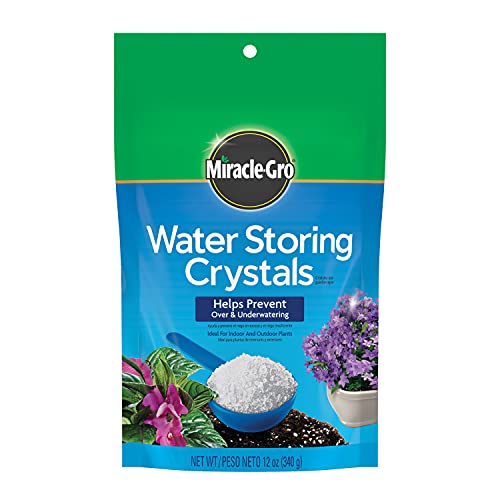
Prevents Over and Under Watering: Miracle-Gro Water Storing Crystals absorb moisture and release it back to your plants as needed, helping to prevent over and underwatering

LONG-LASTING WATER LOCK - If you’re looking for a great way to keep your plants hydrated and healthy, these water crystals are the perfect solution. Don't let your plants suffer from dehydration or overwatering anymore, these water storage crystals will keep your greens in top shape.
Watering Guidelines
Watering lettuce starts requires consistent moisture. Water deeply at least once a week, ensuring the top 1-2 inches of soil remain moist. Avoid waterlogging the soil to prevent root rot.
- Morning Watering: Watering in the morning prevents evaporation and allows leaves to dry before evening, reducing fungal infections.
- Test Soil Moisture: Use your finger to check soil dampness. If it feels dry, it’s time to water.
- Mulching: Apply a layer of mulch around your plants. This retains moisture and keeps weeds at bay.
Pest And Disease Management
Managing pests and diseases protects your lettuce starts. Early detection and action strengthen your crop’s health.
- Inspect Regularly: Check plants weekly for common pests like aphids and snails.
- Neem Oil: Use neem oil or insecticidal soap to treat infestations. Apply according to label instructions for effectiveness.
- Crop Rotation: Rotate crops yearly to prevent disease buildup in the soil.
- Healthy Airflow: Space your plants properly to improve airflow, reducing the risk of fungal diseases.
Protecting your lettuce starts creates the foundation for a bountiful harvest.
Conclusion
Growing lettuce starts is a rewarding experience that brings fresh flavors to your table. By choosing the right variety and following the simple steps outlined, you can enjoy a bountiful harvest in no time.
Remember to keep an eye on watering and pest management to ensure your greens thrive. With a little care and attention, your home garden can flourish, providing not just delicious lettuce but also a sense of accomplishment.
So grab those starts and get planting. You’re on your way to enjoying the crisp taste of homegrown lettuce right from your garden!
Frequently Asked Questions
What are the benefits of planting lettuce starts?
Planting lettuce starts offers a reliable and quicker way to enjoy fresh greens compared to seeds. It reduces challenges like inconsistent germination and allows for faster harvests. Additionally, lettuce, including varieties like Romaine and Butterhead, provides rich nutritional benefits, boosting vitamins A and K intake and promoting overall health.
How do I choose the right lettuce variety?
To select the right lettuce variety, consider taste, texture, and growing conditions. Popular options include Romaine, Butterhead, Iceberg, Leaf Lettuce, and Batavia. Each has specific preferences for temperature, sunlight, and soil type, making it essential to match your gardening environment to the variety’s needs.
What soil is best for planting lettuce?
Lettuce thrives in well-draining soil enriched with organic matter, ideally with a pH between 6.0 and 7.0. Mixing in compost or well-rotted manure improves soil quality while loamy or sandy textures prevent root rot. Testing soil for nutrients and pH before planting can help ensure optimal growing conditions.
What tools do I need for planting lettuce starts?
Essential tools for planting lettuce starts include a garden trowel, measuring tape, watering can or hose, plant labels, and mulch. These tools facilitate an organized and efficient planting experience, making it easier to prepare the soil and care for your lettuce plants.
When is the best time to plant lettuce starts?
The best time to plant lettuce starts is in early spring or late summer when temperatures are optimal for growth. This timing helps ensure a successful harvest and promotes healthy development of the plants as they thrive in cooler weather conditions.
How should I care for lettuce starts?
Caring for lettuce starts involves proper watering, pest management, and attention to environmental factors. Water deeply at least once a week and keep the top 1-2 inches of soil moist. Regularly check for pests and use neem oil for treatment. Implement crop rotation to minimize disease risk.
How can I improve my lettuce harvest?
To improve your lettuce harvest, ensure consistent moisture by watering regularly and using mulch to suppress weeds. Pay attention to spacing, planting 10-12 inches apart, and position them correctly. Also, maintain soil health and inspect for pests to keep your plants thriving.
