

Have you ever wondered when the best time is to pick romaine leaf lettuce? You’re not alone. Many home gardeners struggle with knowing the right moment to harvest their greens for that perfect crunch.
Key Takeaways
- Optimal Harvest Time: Romaine leaf lettuce should be harvested when leaves are 6 to 8 inches long, exhibiting a bright green color and a crisp texture for maximum freshness and flavor.
- Ideal Growing Conditions: This lettuce thrives in cooler temperatures (60°F to 70°F) and requires at least 6 hours of direct sunlight daily, along with well-draining, nutrient-rich soil.
- Harvesting Techniques: Use sharp scissors to cut leaves at their base, ideally in the morning when water content is high, to maintain crispness and reduce wilting.
- Post-Harvesting Care: Handle harvested leaves gently, rinse them thoroughly, and store in breathable containers. Refrigerate promptly to preserve freshness, ideally using them within a week.
- Storage Tips: Keep romaine away from ethylene-producing fruits, and check regularly for wilting or decay to maintain quality. Rehydrate wilting leaves by soaking them in ice water.
Understanding Romaine Leaf Lettuce
Romaine leaf lettuce thrives in cooler weather and grows best in spring and fall. You’ll recognize the optimal harvest time by observing both color and size. Young, tender leaves are bright green and around 6 to 8 inches long.
Signs of Readiness
- Leaf Size: Aim for leaves that are 6 to 8 inches in length. Larger leaves indicate maturity.
- Leaf Color: Look for vibrant, uniform green colors. This signifies freshness and flavor.
- Texture: Ensure the leaves are crisp and firm. Soft leaves may indicate over-maturity or disease.
Timing Your Harvest
Romaine lettuce typically requires 70 to 75 days to reach full maturity. If you’re planting seeds, count from the planting date to determine when you’ll likely harvest. For continuous harvests, consider planting every couple of weeks.
Harvesting Techniques
- Use Sharp Tools: Always use clean, sharp shears or scissors.
- Cutting Method: Cut the leaves at the base, leaving the inner leaves for regrowth.
- Harvest Early Morning: Pick your lettuce during the cool morning hours to maximize freshness.
Storage Tips
Store harvested romaine in the refrigerator. Keep it in a breathable bag or container to maintain crispness. Use within a week for the best taste and texture.
Following these guidelines ensures you enjoy the best quality romaine leaf lettuce from your garden.
Ideal Growing Conditions
Romaine leaf lettuce grows best under specific conditions. Understanding these requirements ensures a fruitful harvest.
Recommended Products
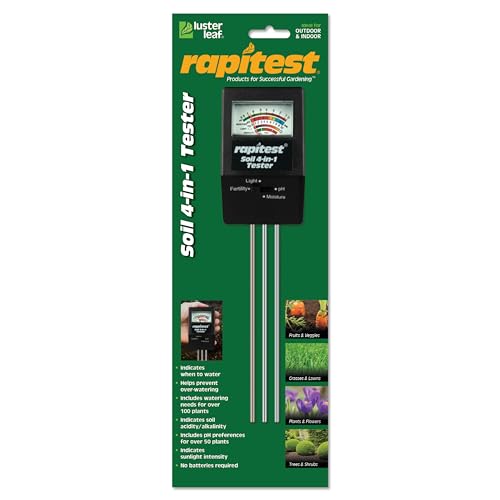
Helps provide a healthy growing environment


Economical soil test kit for testing soil pH
Temperature and Light Requirements
Romaine thrives in cooler temperatures, ideally between 60°F and 70°F. If temperatures exceed 75°F, plants may bolt or become bitter. Aim for full sun, providing at least 6 hours of direct sunlight daily. Partial shade can also benefit lettuce during hot afternoons, protecting it from excessive heat.
Soil Quality and Preparation
Romaine prefers well-draining, loamy soil rich in organic matter. Aim for a pH level between 6.0 and 6.8 for optimal growth. Incorporate compost or well-rotted manure into the soil before planting to enhance nutrient content. Tilling the soil to a depth of 12 inches improves aeration and drainage. Also, ensure the soil remains consistently moist, as romaine prefers not to dry out completely.
Signs of Readiness
Recognizing the signs that romaine leaf lettuce is ready for harvest is crucial for enjoying crisp and flavorful greens. Look for these key indicators.
Recommended Products
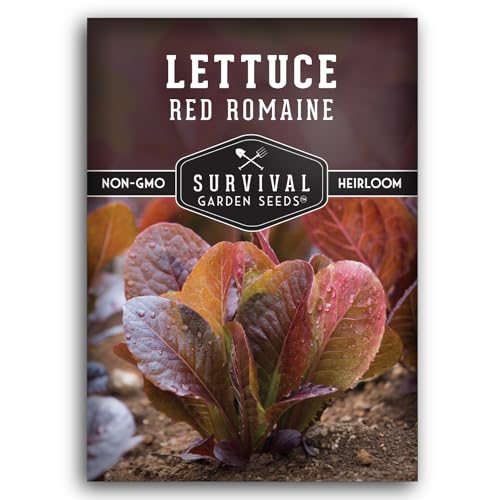
RED ROMAINE SEEDS FOR PLANTING – Striking lettuce has burgundy-to-ruby red leaves with crisp green hearts create a bold contrast in the garden and add vibrant color and flavor to Caesar salad and other dishes


Color and Crunch - Grow upright Red Romaine heads with burgundy outer leaves, green hearts and crisp pale ribs. Pick tender leaves for colorful salads or harvest full heads for satisfying lettuce wraps.
Color and Size Indicators
A vibrant green color signals freshness. Ideal romaine leaves should exhibit a rich shade, typically between light and dark green. Size matters too; leaves should measure between 6 to 8 inches long. When you see leaves reaching this size and showcasing bright color, it’s time to consider harvesting.
Texture and Leaf Firmness
Crispness indicates optimal texture. Gently squeeze the leaves; they should feel firm and crunchy. Soft or wilting leaves usually mean the lettuce is past its prime. Check the firmness by bending the leaves; they should resist and snap back. Fresh romaine retains a satisfying crunch, signaling that it’s ready for your salad bowl.
Harvesting Techniques
Harvesting romaine leaf lettuce requires precision to maximize yield and ensure freshness. Implementing proper techniques enhances your gardening experience.
Proper Cutting Methods
Use sharp, clean scissors or garden shears for cutting. Cutting leaves at the base minimizes damage to the plant and promotes regrowth. Aim to leave a few inner leaves intact; this encourages the plant to produce new outer leaves. Consider harvesting individual leaves to extend your harvest period, allowing for a continuous supply of fresh greens. Always make cuts at an angle to prevent water accumulation on the leaf cuttings, which can lead to decay.
Best Time of Day to Harvest
Morning is the optimal time to harvest romaine leaf lettuce. During this period, the leaves are crisp and full of moisture, ensuring maximum flavor and texture. The cooler temperatures of the morning also reduce stress on the plant, preserving its freshness. Avoid harvesting during the heat of the day, as this can lead to wilting and a decrease in quality.
Post-Harvesting Care
After harvesting romaine leaf lettuce, proper care is essential to maintain its freshness and quality. Follow these guidelines to ensure your lettuce stays crisp and delicious.
Recommended Products

Maximum drying power: One-handed pump spins lettuce, herbs or fruit fast with minimal effort. Dry greens quickly with no plugs or cords needed.

One-Touch OXO Salad Spinner: Did you know that OXO invented the one-touch salad spinner? Its one-handed pump gives you maximum drying of lettuce with minimum effort

COMPACT SALAD SPINNER, BIG PERFORMANCE — Small salad spinner packs full-size drying power in a space-saving design. One-hand pump spins lettuce, herbs & greens dry in seconds. Best rated by thousands. Perfect for apartments, couples & small kitchens.
Immediate Handling
- Avoid Bruising: Handle harvested leaves gently. Avoid dropping or crushing them to keep their crispness intact.
- Remove Dirty Leaves: Inspect the lettuce and remove any damaged or discolored leaves immediately. This prevents decay from spreading.
Cleaning
- Rinse Thoroughly: Wash the leaves under cool running water. This removes dirt and potential pesticide residues.
- Dry Carefully: Use a salad spinner or clean kitchen towel to dry the leaves. Excess moisture can lead to spoilage.
Storage
- Use Breathable Containers: Store the cleaned lettuce in a breathable bag or container. This allows for air circulation, reducing moisture buildup.
- Refrigerate Promptly: Place the lettuce in the refrigerator as soon as possible. Aim for a temperature between 32°F and 36°F to prolong freshness.
- Consume Quickly: Use the harvested romaine within one week for the best flavor and texture.
Maintaining Quality
- Keep Leaves Whole: Store whole leaves rather than pre-chopping them. Whole leaves retain moisture better and stay fresh longer.
- Avoid Ethylene Producing Fruits: Keep romaine away from fruits like apples and bananas. These fruits emit ethylene gas, which accelerates spoilage.
- Check Regularly: Inspect the lettuce every couple of days for signs of wilting or decay. Remove any affected leaves to preserve the rest.
- Rehydrate If Needed: If the leaves start to wilt, place them in a bowl of ice water for about 10 minutes. This can revive their crispness.
Implementing these post-harvesting care tips ensures you enjoy your romaine leaf lettuce fresh and tasty.
Conclusion
Harvesting romaine leaf lettuce at the right time can make all the difference in your garden’s bounty. By paying attention to leaf size color and texture you can ensure that your greens are fresh and crunchy. Remember to keep an eye on the weather and provide the ideal growing conditions for your romaine to thrive.
With the right techniques and care your harvested lettuce will not only taste great but also keep longer in your fridge. Enjoy the satisfaction of growing your own romaine and savor the delicious salads you’ll create with your homegrown produce. Happy gardening!
Frequently Asked Questions
When is the best time to harvest romaine leaf lettuce?
The best time to harvest romaine leaf lettuce is when the leaves are about 6 to 8 inches long, vibrant green, and crisp. This typically occurs about 70 to 75 days after planting. Harvesting in the morning can also help maintain freshness and flavor.
How can I tell if my romaine lettuce is ready to harvest?
Look for leaves that measure 6 to 8 inches long, have a bright green color, and feel crisp and firm. These indicators suggest the lettuce is ready for harvesting.
What tools do I need to harvest romaine lettuce?
Use sharp, clean scissors or garden shears to make cuts at the base of the leaves. This method reduces damage and encourages regrowth.
How should I store harvested romaine lettuce?
Store harvested romaine in a breathable bag or container in the refrigerator at temperatures between 32°F and 36°F. Use within a week for the best taste and texture.
What are the ideal growing conditions for romaine lettuce?
Romaine lettuce grows best in cooler temperatures between 60°F and 70°F, with at least 6 hours of direct sunlight. It prefers well-draining, loamy soil rich in organic matter.
How often should I plant romaine lettuce seeds?
For continuous harvests, plant romaine lettuce seeds every couple of weeks. This practice ensures a steady supply of fresh greens throughout the growing season.
What should I do if my romaine leaves start to wilt?
If the leaves begin to wilt, you can rehydrate them by placing them in ice water for a while. This will help restore their crispness and freshness before consumption.
