

Have you ever wondered when the right time is to pick lettuce seeds? Timing can be tricky, and getting it wrong can mean losing out on a great harvest. You might be looking forward to fresh salads or planning to save seeds for next season, but knowing when to collect those seeds is key to your success.
Key Takeaways
- Understanding Seed Development: Timing for harvesting lettuce seeds is crucial and involves recognizing stages of germination, including imbibition, activation, and emergence, which require specific moisture and temperature conditions.
- Identifying Readiness: Look for color changes (from green to brown or tan) and examine the texture; mature seeds should be firm and dry, indicating they’re ripe for harvesting.
- Optimal Harvest Timing: The best time to collect seeds is in late summer or early fall, ideally during dry weather and mid-morning after dew has evaporated, to ensure maximum seed quality.
- Local Climate Considerations: Be aware of your local climate, including heat levels, frost dates, and humidity, as these factors influence when lettuce seeds should be harvested and can affect seed viability.
- Harvesting Techniques: Use the right tools, such as pruning shears and paper bags, for collecting and storing seeds; drying seeds in a warm environment for 1-2 weeks enhances their quality.
- Storage Best Practices: Store seeds in a clean environment, use breathable containers to prevent moisture buildup, and keep them in a cool, dark place with low humidity to maintain their viability for future planting.
Understanding Lettuce Seed Development
Lettuce seed development involves specific stages and growing conditions. Knowing these elements helps you time your seed harvest perfectly.
Germination Stages
Germination consists of several stages:
- Imbibition: Seeds absorb water, causing them to swell.
- Activation: Enzymes kick in, breaking down stored food for energy.
- Emergence: The seedling sprouts, pushing through the soil.
Each stage requires appropriate moisture and temperature. For lettuce seeds, ideal temperatures range from 65°F to 75°F. Monitoring these conditions ensures successful germination.
Ideal Growing Conditions
Lettuce thrives under certain environmental factors:
- Soil: Use well-draining, nutrient-rich soil with a pH of 6.0 to 7.0.
- Light: Provide 12 to 16 hours of sunlight each day.
- Temperature: Maintain temperatures between 60°F and 70°F during the day and around 50°F at night.
Adapting your care routine based on these factors promotes healthy plants and enhances seed quality. Regular observations will help you catch any issues early, leading to more successful harvests.
Signs That Lettuce Seeds Are Ready to Harvest
Recognizing when lettuce seeds are ready to harvest is essential for obtaining high-quality seeds. Look for clear signs indicating maturity.
Color Changes
Seeds typically change from green to a brown or tan color as they mature. This transition signals that they’re ready for harvest. The exact color may vary by lettuce variety, but a generally uniform hue across the seed head indicates readiness. If you notice a mix of colors, wait a bit longer for all seeds to achieve the mature shade.
Texture and Firmness
Seeds should feel firm and dry to the touch when harvest time approaches. Gently squeeze a seed; if it feels hard and doesn’t easily crush, it’s ripe. Seeds that seem soft or pliable aren’t ready yet. To confirm, test several seeds from different parts of the seed head. Consistent firmness across seeds confirms they’re ripe and ready for collection.
Optimal Timing for Harvesting Lettuce Seeds
Understanding the right time to harvest lettuce seeds ensures you collect the best quality seeds for future planting. Factors like seasonal timing and local climate play significant roles in determining when to pick your seeds.
Recommended Products

Healthy Food Source: Because of its tender flavor, lettuce is a popular vegetable for salad, sandwiches, wraps, soups, stir-fries and juice. There are over 20,000 seeds, 10 kinds of lettuce collection, including bibb, boston, iceberg, buttercrunch, grand rapids TBR, oakleaf, ruby leaf, cimmaron romaine and waldmann's

Complete Lettuce Garden Starter Kit Indoor – 5 heirloom salad and green seed packets, 8 biodegradable soil disks, 8 plant markers, and 8 starter pots. Romaine, Spinach, Arugula, Kale and Buttercrunch lettuce heirloom seeds are the star of the set!

5-Variety Lettuce Seed Collection - Enjoy a continuous harvest of fresh, flavorful greens! This lettuce seed collection includes Black Seeded Simpson, Iceberg, Buttercrunch, Parris Island Cos, and Lolla Rossa Lettuce.
Seasonal Considerations
Harvesting lettuce seeds typically occurs after the main growing season, usually in late summer or early fall. As the growing season progresses, monitor your lettuce plants closely. When you see seed heads forming and maturing, it’s essential to keep an eye on them. Ideal conditions for seed harvesting include:
- Dry Weather: Aim to harvest during a period of dry weather, as moisture can affect seed quality.
- Temperature Checks: Temperatures around 70°F can signal that the seeds are nearing maturity.
- Time of Day: Mornings are best for harvesting since dew will have dried, reducing moisture levels in the seeds.
Local Climate Factors
Your local climate significantly influences when to harvest lettuce seeds. Each climate may have unique planting and harvesting windows. Consider the following factors:
- Heat Levels: In warmer climates, lettuce may bolt earlier, indicating a shortened window for seed harvesting.
- Frost Dates: Regions with early frosts need earlier harvesting to avoid seed loss. Check your local frost dates to plan accordingly.
- Humidity Levels: High humidity can encourage fungal diseases. If you live in humid areas, harvesting seeds before any diseases set in is crucial.
Monitor conditions specific to your area to determine the perfect timing for harvesting your lettuce seeds. Adapt to your environment for the best results.
Techniques for Harvesting Lettuce Seeds
Harvesting lettuce seeds requires some preparation and attention to detail. Knowing the right tools and following a clear process ensures a successful seed collection.
Recommended Products
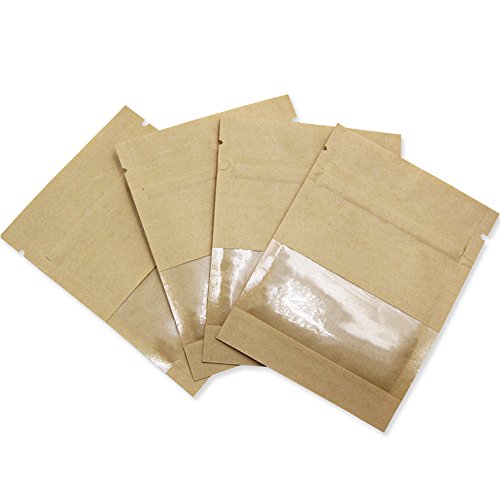
3 sizes (pack of 50 pieces): 20 pcs outside size: 2.7x3.5 inch(7x9cm), usable size: 2.36x2.36 inch(6x6cm); 20 pcs outside size: 3.5x5.1 inch(9x13cm), usable size: 3.1x3.9 inch(8x10cm); 10 pcs outside size: 5.1x7.08 inch(13x18cm), usable size: 4.7x5.7 inch(12x14.5cm)

PRESERVE FRESHNESS: Our Salad Bag is a kitchen essential that helps keep greens and produce fresher longer. It’s large enough to hold whole lettuce or veggies and keep them crisp for two up to weeks in the fridge

High-Quality Seed Envelopes - Crafted from superior kraft paper, these seed envelopes offer exceptional durability. The clear window on the back ensures the contents are both visible and protected, making it an ideal choice for seed preservation and organization.
Tools You’ll Need
- Pruning Shears: Use sharp pruning shears for clean cuts on seed heads.
- Paper Bags: Collect seeds in paper bags to prevent moisture buildup.
- Gloves: Wear gloves to protect your hands while handling plants.
- Container: Have a clean, dry container ready for storing collected seeds.
- Labeling Materials: Include labels and markers to identify seed varieties.
- Monitor Seed Heads: Observe the seed heads for color changes. Firmness and uniformity indicate readiness.
- Choose a Dry Day: Select a dry day for harvesting. Humidity can affect seed quality.
- Cut Seed Heads: Use pruning shears to cut the seed heads above the base of the stalk. Aim for mid-morning after dew has dried.
- Collect in Bags: Place the cut seed heads in paper bags. This allows them to dry further and reduces mold risk.
- Allow Drying: Store the bags in a warm, dry location. Let the seed heads dry for 1-2 weeks.
- Extract Seeds: Once dried, gently crush the seed heads over a clean container to release seeds.
- Separate Chaff: Use a fine sieve or your hands to separate seeds from chaff. Keep only the seeds.
- Store Properly: Place cleaned seeds in your labeled container. Store them in a cool, dark place for maximum longevity.
Following these steps helps you harvest high-quality lettuce seeds, ensuring a reliable supply for future planting.
Storage and Preservation of Lettuce Seeds
Proper storage and preservation of lettuce seeds ensures their viability and quality for future planting. Follow these guidelines to keep your seeds in prime condition.
Best Practices
- Choose a Clean Environment: Use a clean and dry space for storing seeds. Avoid areas that tend to gather moisture, which can lead to seed spoilage.
- Use Contaminant-Free Containers: Store seeds in paper envelopes, glass jars, or breathable cloth bags. Avoid plastic bags as they can cause condensation.
- Label Clearly: Write the seed type and harvest date on each container. Clear labels help track seed age and facilitate future planting decisions.
- Maintain a Cool Temperature: Store seeds in a cool place, ideally between 32°F and 50°F. A refrigerator works well for long-term storage.
- Control Humidity Levels: Keep humidity levels low. Using silica gel packets or rice can absorb excess moisture within containers.
- Limit Exposure to Light: Store seeds in opaque containers or in a dark area. Light can degrade seed quality over time.
Following these best practices and storage conditions helps ensure your lettuce seeds remain viable, securing your future harvests.
Conclusion
Timing is everything when it comes to harvesting lettuce seeds. By paying attention to the signs of maturity and the right environmental conditions you can ensure you’re collecting high-quality seeds.
Remember to monitor your plants closely and choose a dry day for harvesting. Proper storage will keep your seeds viable for future planting.
With a little patience and care you’ll enjoy the fruits of your labor in the form of fresh salads and a reliable seed supply for seasons to come. Happy gardening!
Frequently Asked Questions
When is the best time to plant lettuce seeds?
To ensure a successful harvest, plant lettuce seeds when temperatures are between 65°F and 75°F. Early spring or late summer are ideal times, as they offer the right temperature and moisture conditions for seed germination.
How can I tell if my lettuce seeds are mature?
Lettuce seeds are mature when they change from green to brown or tan and feel firm and dry. A uniform color across the seed head and consistent firmness upon gentle squeezing are key indicators.
What tools do I need to harvest lettuce seeds?
Essential tools for harvesting lettuce seeds include pruning shears, paper bags, gloves, a clean container, and labeling materials. These tools help streamline the harvesting process and ensure seed quality.
What are the ideal conditions for storing lettuce seeds?
Store lettuce seeds in a cool, dry environment, ideally between 32°F and 50°F. Use contaminant-free containers like paper envelopes or glass jars, and maintain low humidity with silica gel packets.
How can I improve the quality of my lettuce seeds?
To improve lettuce seed quality, monitor environmental conditions closely, ensure adequate moisture and temperature during germination, and follow proper harvesting and storage techniques to minimize damage and enhance viability.
