

Ever wondered why your lettuce isn’t thriving like you hoped? You’re not alone. Many gardeners face the challenge of getting their greens to grow lush and flavorful. The right fertilizer can make all the difference, but with so many options out there, it’s easy to feel overwhelmed.
Key Takeaways
- Understand Nutrient Needs: Lettuce requires key nutrients like nitrogen, phosphorus, potassium, calcium, and magnesium for optimal growth and flavor.
- Identify Deficiency Signs: Yellowing leaves, stunted growth, burnt tips, malformed leaves, and interveinal chlorosis can signal specific nutrient deficiencies.
- Select Appropriate Fertilizers: Choose between organic options (compost, manure, bone meal, kelp meal) and synthetic ones (ammonium nitrate, triple super phosphate, potassium nitrate) based on your garden’s needs.
- Time Your Fertilization: Fertilize during critical growth stages—pre-planting, seedling stage, vegetative stage, and before heading—to maximize nutrient absorption and growth.
- Utilize Effective Application Methods: Incorporate fertilizers into the soil, side-dress during growth, top-dress for moisture retention, or use liquid fertilizers for targeted nutrient delivery.
Understanding Lettuce Nutrient Needs
Lettuce thrives when you meet its nutrient requirements. Understanding these needs helps ensure vibrant growth and excellent flavor.
Essential Nutrients for Lettuce
Lettuce requires several key nutrients for optimal health. Consider the following:
- Nitrogen: Supports lush leaf growth. It’s vital during early development and for the overall vigor of the plant.
- Phosphorus: Promotes root development and helps with energy transfer within the plant. This nutrient is crucial during transplanting.
- Potassium: Enhances disease resistance and improves the overall quality. It regulates water retention and ensures crisp leaves.
- Calcium: Strengthens cell walls and prevents issues like tip burn. Calcium is essential for sturdy and healthy foliage.
- Magnesium: Vital for photosynthesis and maintaining leaf color. It helps your lettuce produce energy effectively.
Signs of Nutrient Deficiency
Recognizing deficiency signs allows for timely intervention. Watch for these symptoms:
- Yellowing Leaves: A sign of nitrogen deficiency. Older leaves often turn yellow first.
- Stunted Growth: May indicate a phosphorus deficiency. Plants won’t reach their expected size.
- Burnt Leaf Tips: Could point to potassium deficiency. Leaves will show browning at the tips and edges.
- Malformed Leaves: Often linked to calcium deficiency. You might notice curled or distorted leaf shapes.
- Interveinal Chlorosis: Indicates magnesium deficiency. Yellowing occurs between the veins of leaves while veins remain green.
Addressing these nutrient needs and deficiency signs ensures robust lettuce plants and enhances your gardening success.
Types of Fertilizers for Lettuce
Selecting the right fertilizer for your lettuce ensures lush growth and enhanced flavor. Two primary types of fertilizers exist: organic and synthetic. Both offer unique benefits for your garden.
Recommended Products

Gentle Nutrient Formula (1-0.1-2): Provides slow-release nitrogen and potassium without burning plants.

100% Natural Kelp Meal Fertilizer - Kelp Bliss is a 100% natural garden fertilizer and soil amendment for plants that’s been sustainably harvested from sea kelp fresh from the ocean. Kelp meal fertilizer provides essential minerals, vitamins, and trace elements that improve nutrient uptake and encourage soil fertility in indoor plants and outdoor plants.

NUTRIENT-RICH GROWTH: Premium cow manure compost packed with nitrogen, calcium, and iron. This organic compost fertilizer enriches soil, boosts microbial life, and supports bigger vegetables, greener lawns, and thriving flowers.
Organic Fertilizers
Organic fertilizers enrich soil health and promote sustainable gardening. They provide nutrients gradually and improve soil structure. Common organic options include:
- Compost: Use well-decomposed compost to enrich soil with essential nutrients. It’s rich in nitrogen, aiding leafy growth.
- Manure: Apply aged animal manure for a nutrient boost. Chicken and cow manure are excellent choices.
- Bone Meal: Incorporate bone meal for an excellent phosphorus source, promoting root development and flower formation.
- Kelp Meal: Mix kelp meal into the soil for trace minerals and help improve overall plant health.
Implement these organic fertilizers based on your garden’s needs and existing soil quality.
Synthetic Fertilizers
Synthetic fertilizers deliver nutrients immediately, which can benefit fast-growing crops. They often feature specific N-P-K (nitrogen, phosphorus, potassium) ratios tailored for lettuce. Common synthetic fertilizers include:
- Ammonium Nitrate: Choose ammonium nitrate for a high nitrogen content that supports vigorous leaf growth.
- Triple Super Phosphate: Use this fertilizer for concentrated phosphorus, strengthening root systems and enhancing overall health.
- Potassium Nitrate: Consider potassium nitrate to boost potassium levels, improving disease resistance and enhancing flavor.
Follow the manufacturer’s instructions when applying synthetic fertilizers to prevent nutrient burn and promote healthy growth.
When to Fertilize Lettuce
Fertilizing lettuce at the right time maximizes growth and flavor. Timing impacts nutrient uptake and overall health, ensuring your lettuce thrives.
Recommended Products

🥬 CRAFTED FOR ALL LETTUCE VARIETIES – Gardenera LIQUID POWER Lettuce Fertilizer is specially formulated to support rapid leaf development, crisp texture, and vibrant green color in romaine, butterhead, iceberg, red leaf, and loose-leaf lettuces.

MasterBlend Lettuce Fertilizer Formula by PowerGrow Systems is fully Water Soluble

High Nitrogen Formula – Promotes lush green foliage and vigorous plant growth.
Timing for Different Growth Stages
Fertilization depends on the growth stage of the lettuce.
- Pre-planting: Add organic matter, like compost, to enrich soil before planting seeds or seedlings.
- Seedling stage: Apply a diluted, balanced fertilizer when seedlings develop their first true leaves.
- Vegetative stage: Fertilize every 3-4 weeks with a nitrogen-rich fertilizer, promoting lush leaf growth.
- Before heading: Shift to a low-nitrogen fertilizer to encourage crisp, firm heads without excessive leafy growth.
Seasonal Considerations
Seasons also influence fertilization timing for lettuce.
- Spring planting: Fertilize before planting when soil temperatures reach about 50°F (10°C) for optimal seed germination.
- Summer planting: Fertilize lightly in mid-summer due to higher disease risks. Focus on nourishing those growing in warmer temperatures.
- Fall planting: Fertilize a couple of weeks before harvest to ensure a tasty crop. Cool temperatures favor nutrient absorption.
Fertilizing at the appropriate times supports healthy growth and enhances the delicious flavor of your lettuce.
Application Methods
Applying the right fertilizer effectively boosts your lettuce growth. Here are two primary application methods to consider.
Recommended Products
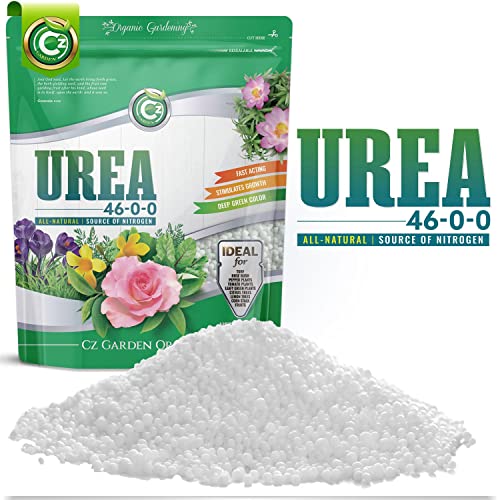
PREMIUM QUALITY INGREDIENTS – Cz Garden Urea is a water soluble, high purity nitrogen fertilizer designed to boost the healthy development of all your indoor flowers, lawn, and garden vegetables.

Made for Nitrogen Support – Formulated to supply nitrogen for essential plant nutrition.
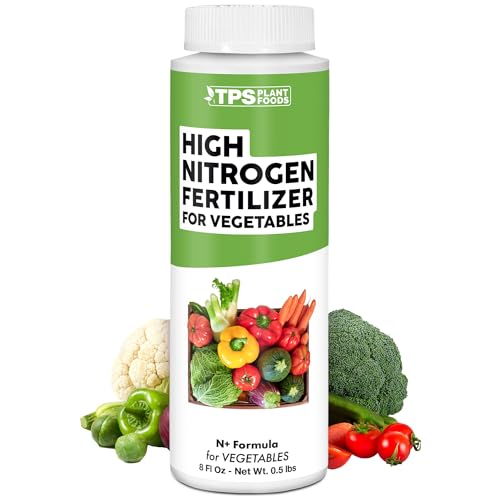
High Nitrogen for Leafy Growth – Supports lush foliage and strong vegetative stages.
Soil Application Techniques
- Incorporation Before Planting: Mix organic fertilizers like compost or manure into the soil when preparing your garden bed. This method enriches the soil from the start and ensures nutrients are available as your lettuce grows.
- Side-Dressing: During the growing season, apply granular fertilizers around the base of your lettuce plants. Use a nitrogen-rich option every 3-4 weeks. Make sure to keep the fertilizer a few inches away from the plant to prevent root burn.
- Top-Dressing: Consider applying a light layer of organic fertilizer on the soil surface. This method helps retain moisture while providing a gradual nutrient release, supporting steady growth.
- Liquid Fertilizers: Use diluted liquid fertilizers for foliar feeding. Apply during the early morning or late afternoon to avoid leaf scorch from sunlight. This timing enhances absorption while minimizing stress on your plants.
- Targeting Specific Nutrients: For specific nutrient deficiencies, create a foliar spray that includes elements such as magnesium or calcium. Spot treatments can correct issues quickly, helping your lettuce recover.
- Frequency: Foliar feeding can occur every 2-4 weeks, especially during rapid growth phases. Ensure even distribution over the leaves for optimal effectiveness.
By utilizing these application methods, you enhance nutrient availability and promote healthy, flavorful lettuce.
Conclusion
Fertilizing your lettuce properly can make all the difference in achieving a bountiful harvest. By understanding its nutrient needs and selecting the right fertilizer—whether organic or synthetic—you’ll set your plants up for success. Remember to pay attention to signs of nutrient deficiencies and adjust your fertilization strategy accordingly.
Timing is key too; make sure you’re fertilizing at the right stages of growth to maximize flavor and yield. With a little care and attention, you’ll enjoy fresh, vibrant lettuce that’s a delight to your taste buds. Happy gardening!
Frequently Asked Questions
What causes lettuce to fail to thrive?
Lettuce may struggle due to poor soil nutrients, inappropriate watering, insufficient sunlight, or pest issues. Understanding and addressing these factors is key to promoting healthy growth.
What nutrients do lettuce plants need?
Lettuce requires essential nutrients like nitrogen, phosphorus, potassium, calcium, and magnesium. Each nutrient plays a vital role in supporting vibrant growth and enhancing flavor.
How can I identify nutrient deficiencies in my lettuce?
Signs of nutrient deficiencies include yellowing leaves, stunted growth, burnt leaf tips, malformed leaves, and interveinal chlorosis. Recognizing these symptoms can help you take corrective action.
What types of fertilizers are best for lettuce?
Lettuce benefits from both organic fertilizers, like compost and bone meal, and synthetic options, such as ammonium nitrate. Choose based on your gardening style and nutrient needs.
When should I fertilize my lettuce?
Fertilize lettuce based on its growth stage: add organic matter before planting, apply diluted balanced fertilizer during seedlings, and use nitrogen-rich fertilizers every 3-4 weeks during vegetative growth.
How do I apply fertilizer to my lettuce?
You can apply fertilizers through soil incorporation before planting, side-dressing during growth, or top-dressing with organic fertilizers. Liquid fertilizers can also be used for foliar feeding.
How often should I use liquid fertilizers for lettuce?
Foliar feeding with liquid fertilizers is recommended every 2-4 weeks during rapid growth phases. This helps with nutrient absorption and promotes overall plant health.
