

Wondering when your homegrown beets are ready to be plucked from the soil? Picture this: you’ve nurtured those vibrant red bulbs with care, and now it’s time to reap the rewards of your hard work. How do you know the exact moment they’re at their peak of flavor and nutrition? That’s where we come in to guide you through the beet-harvesting process.
Signs that beets are ready to harvest
Growing your beets is a rewarding experience. Here are some signs to help you determine when it’s time to harvest your beets:
- Size: Beets should reach about 1.5 to 3 inches in diameter.
- Texture: The bulb should be firm when squeezed, indicating maturity.
- Top Growth: The foliage’s color reveals readiness, transforming into a deep green or red hue.
- Time: Most beets are ready for harvest in about 50-70 days after planting.
- Weather: Cooler temperatures enhance beet flavor, so pick them in the early morning or evening.
Recommended Products

Contains (1) ProKeeper Produce Keeper, 3-Quart with Stay Fresh Vent

Keep Berries Fresher, Longer: The ventilated, removable inner basket promotes optimal air circulation for freshness – extending the time for delicious snacking and reducing food waste

【Stay Organized & Easy to Use 】ODOMU fresh food containers for fridge features with removable colander and airtight lid, so you are able to wash, rinse, drain & store in one container. The 3 different sizes are just perfect for all size fruits and produce, such as berries, lemon, watermelon, lettuce, parsley, cucumbers, pre-cut food, salad mix, meat, etc. Ideal for refrigerator, freezer and pantry storage and organization.
Best time of day to harvest beets
When it comes to harvesting beets from your garden, picking the best time of day can make a difference in their taste and freshness. Here are some tips to help you choose the optimal moment:
- Early Morning: Beets tend to be crisp and flavorful in the early morning before the sun’s heat causes them to wilt.
- Late Evening: Harvesting beets in the late evening can also be a good option as the cooler temperatures help maintain their moisture and crunch.
- Avoid Midday: It’s best to avoid harvesting beets in the midday heat as they can become limp and lose some of their juiciness.
Remember, timing is key when harvesting beets from your garden to ensure you enjoy them at their peak flavor and texture.
Harvesting techniques for beets
When it comes to harvesting beets from your garden, using the right techniques can ensure the best flavor and quality.
- Timing is Key: Harvest beets when they are still young and tender for optimal taste.
- Soil Moisture Matters: Ensure the soil is moist but not waterlogged when harvesting to make the process easier.
- Gentle Handling: Beets have delicate leaves, so handle them carefully to avoid bruising and damaging the roots.
- Tools of the Trade: Use a gardening fork or a trowel to gently lift the beets from the soil without causing harm.
- Cutting Greens: Trim the greens to about two inches above the root, leaving some on to prolong freshness.
- Storage Tips: Store beets in a cool, dark place or the fridge to maintain their flavor and texture.
- Enjoy Fresh: The sooner you consume harvested beets, the more flavor and nutrients you’ll enjoy.
| Optimal Harvesting Time | Early morning or late evening |
|---|---|
| Storage Temperature | 32°F (0°C) to 40°F (4.4°C) |
| Shelf Life | Up to 2 weeks |
By following these harvesting techniques, you’ll be able to enjoy delicious and fresh beets from your garden.
Recommended Products

GARDENING ESSENTIAL: Ergonomic hand trowel with oversized head ideal for a variety of gardening tasks like digging in tough soil, maintaining your herb garden, digging all holes, turning soil, and more to encourage overall plant health and appearance

MAKES WEEDING AND CULTIVATING SO MUCH EASIER - They are often used for digging up weeds, hand forks are sometimes referred to as 'weeding forks' but they are suited to many jobs around the garden, such as preparing planting holes, transplanting, aerating and mixing additives into your soil and are indispensable for levelling around border edges and tidying up the soil. The small hand fork makes a good all-around garden tool, especially in those tight places like between plantings.

3-IN-1 ESSENTIAL GARDENING SET: Heavy duty, ergonomic hand trowel, transplanter, and cultivator garden tool set; Ideal for a variety of gardening tasks like digging in tough soil, weeding, turning soil, aerating, transplanting, and more to encourage overall plant health and appearance
Storing harvested beets
Storing your harvested beets correctly is essential to maintain their freshness and flavor. Here are some tips to help you store your beets effectively:
- Remove Greens: Before storing your beets, make sure to remove the greens. This helps prevent moisture loss from the roots, keeping them fresh longer.
- Choose the Right Location: Store your beets in a cool, dark place to maintain their quality. A refrigerator set at a temperature between 32°F to 40°F is ideal for preserving beets.
- Use Breathable Containers: Opt for containers that allow air circulation to prevent moisture buildup, which can lead to spoilage. Cloth or perforated plastic bags are good options for storing beets.
- Avoid Moisture: Excess moisture can cause beets to spoil quickly. Be sure to remove any dirt or soil from the roots but avoid washing them until ready to use to prevent moisture buildup.
- Check for Signs of Spoilage: Regularly inspect your stored beets for any signs of spoilage such as mold, shriveling, or soft spots. Remove any spoiled beets to prevent them from affecting the rest.
- Shelf Life: Properly stored beets can typically last up to 2 weeks. Check them periodically to ensure they are still in good condition.
Remember, proper storage practices can help you enjoy the freshness and taste of your homegrown beets for an extended period.
Recommended Products

LARGE CAPACITY: 10 PACK. Each Mesh Produce Bag size is 24 x 35 inches and can hold up to 60 lbs. Designed with built-in drawstring closes the bag quickly, so you could use it as a keeping sack for onion, garlic, corn, potato

ECO-FRIENDLY AND REUSABLE: These kitchen reusable grocery bags are zero waste and fully biodegradable. Forget about any plastic or heavy metal toggles and closure beads. Use these drawstring mesh bags hundreds of times and they will still retain their quality.
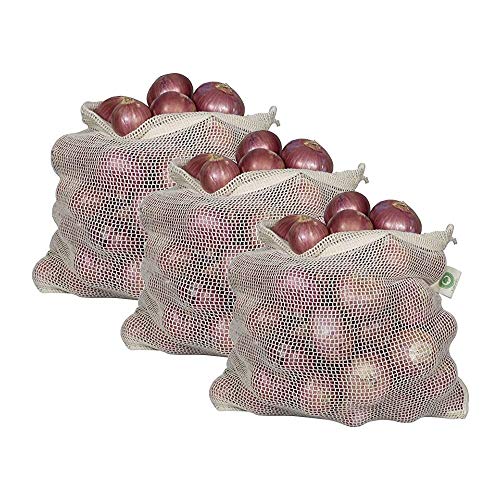
Reusable Onion Storage Bags – Featuring hassle-free drawstring closures and reinforced double stitching on all sides, these bags are the perfect choice for carrying & storing heavy bulk items or produce like onions, potatoes, carrots, apples, oranges, bananas, and anything you want! Easily clean and wash them in cold water, then air dry
Conclusion
Now that you’ve learned the best practices for storing your freshly harvested beets, you’re all set to enjoy their delicious flavor for weeks to come. By following the tips shared in this article, you can ensure that your homegrown beets stay fresh and tasty. Remember to keep them in a cool, dark place, away from excess moisture, and check for any signs of spoilage regularly. With proper storage techniques, your beets can last up to 2 weeks, allowing you to savor the fruits of your gardening labor. Happy harvesting and enjoy your flavorful beets!
Frequently Asked Questions
How can I store harvested beets to maintain their freshness?
To maintain freshness, remove beet greens, store in a cool (32-40°F), dark location, and use breathable containers.
How long can properly stored beets last?
Properly stored beets can last up to 2 weeks.
What should I watch for to avoid spoilage?
Check for signs of spoilage regularly.
What are some key tips for storing beets effectively?
Avoid excess moisture and ensure proper air circulation.
Why is removing beet greens before storage important?
Removing greens prevents moisture loss and extends beet freshness.
