

Are you eager to enjoy fresh, crisp lettuce from your garden but unsure when to start those seeds indoors? You’re not alone. Many gardeners face the same dilemma, wanting to get a jump on the growing season while avoiding the risk of frost.
Key Takeaways
- Start Timing: Begin lettuce seeds indoors 4 to 6 weeks before the last expected frost date for optimal growth.
- Ideal Conditions: Maintain indoor temperatures between 60°F and 70°F (15°C and 21°C) for successful seed germination.
- Variety Matters: Different lettuce varieties have varying requirements; understand specific needs for each type to maximize yield.
- Essential Supplies: Gather necessary items like seed trays, a light source, and moisture-retaining seed-starting mix for successful planting.
- Light and Water: Provide 12 to 16 hours of light daily and keep the seed mix consistently moist but not soggy to ensure healthy seedling development.
- Monitor Growth: Regularly check temperature, moisture, and light levels to foster a strong start for your lettuce seedlings before transitioning them outdoors.
Understanding Lettuce Seed Germination
Lettuce seeds need specific conditions for successful germination. Knowing these requirements helps you start your seeds indoors at the right time for a healthy harvest.
Ideal Temperature for Germination
Lettuce seeds germinate best at temperatures between 60°F and 70°F (15°C and 21°C). Seeds may struggle to sprout if temperatures drop below 40°F (4°C) or exceed 75°F (24°C).
- Aim for a stable temperature. Use a seedling heat mat if your indoor environment is too cold.
- Monitor the temperature regularly. This ensures optimal conditions for swift germination.
Timeframe for Starting Seeds
Starting lettuce seeds indoors typically occurs 4 to 6 weeks before the last expected frost date. This timing helps seedlings establish robust roots before outdoor planting.
- Check local frost dates. Use an online gardening tool or local extension service to find this information.
- Plan for indoor sowing. If your last frost date is April 15, start your seeds indoors around mid-March.
Following these guidelines sets you up for a successful lettuce growing season.
Factors Influencing Indoor Seed Starting
Several factors affect when to start lettuce seeds indoors. Understanding these elements helps you achieve a successful crop.
Recommended Products

Higher Output & Brighter Grow Light Panel---192 High Quality LEDs and 12W Actual Power per panel. 3x Brightness to other low price and messy wires panel grow light. Help your indoor plants growing better and healthier. 4Pack is Born for common plant shelves.

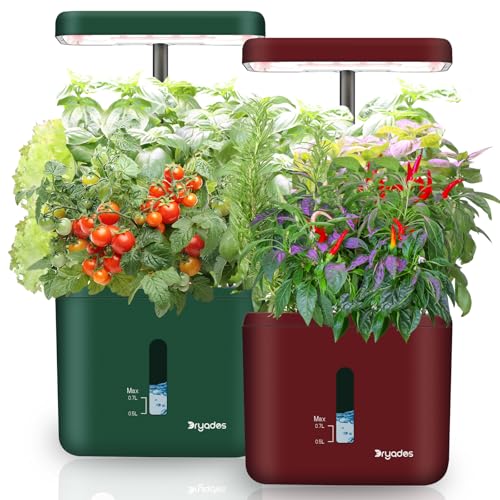
INDOOR INTELLIGENT, MORE EFFICIENT: Indoor soil cultivation planting system adopts full-spectrum technology, 5 times more efficient than outdoor traditional cultivation, controllable LED grow lights set 8H/12H/16H light time, do not affect the personal work and rest at the same time to ensure that the Potted plants are at optimum temperatures all year round in order to promote photosynthesis in any weather.
Climate Considerations
Climate plays a significant role in determining your seed-starting schedule. If you live in a region with a shorter growing season, starting seeds indoors earlier is essential. Monitor average last frost dates in your area. You’ll want to start seeds indoors 4 to 6 weeks before that date. If the climate is milder, you might wait a bit longer. Make sure indoor temperatures stay between 60°F and 70°F for optimal germination.
Variety of Lettuce
Different lettuce varieties have unique growth rates and requirements. For example, Romaine lettuce typically takes longer to mature than Leaf lettuce. If you plan to grow a mix of varieties, pay attention to their specific needs. Starting fast-growing types like Butterhead and Leaf lettuce indoors can help you get an early harvest while slower varieties like Romaine can extend the growing season. Check seed packets for specific guidance on each variety’s transplanting timeline.
Step-by-Step Guide to Starting Lettuce Seeds Indoors
Starting lettuce seeds indoors ensures an early harvest. Follow these steps for success.
Necessary Supplies and Equipment
Gather these essential supplies before starting:
- Seed trays: Choose trays with drainage holes to prevent waterlogging.
- Seedling mix: Use a light, well-draining seed-starting mix. Avoid garden soil, which may contain pests and weeds.
- Labels: Use plant labels to keep track of different lettuce varieties.
- Watering can or spray bottle: These tools help maintain moisture without over-watering.
- Light source: Natural light works, but consider grow lights for optimal growth. Aim for 12-16 hours of light daily.
Planting Techniques
Follow these steps when planting your lettuce seeds:
- Fill trays: Fill seed trays with seedling mix, leaving about ¼ inch from the top.
- Moisten the mix: Lightly spray the mix with water until it’s damp but not soggy.
- Sow seeds: Plant seeds about ¼ to ½ inch deep, spacing them according to seed packet instructions.
- Label trays: Write down the lettuce variety and date planted on the labels.
- Cover lightly: Gently cover the seeds with a thin layer of seedling mix and mist lightly.
- Provide warmth: Maintain indoor temperatures between 60°F and 70°F (15°C and 21°C) for germination.
- Monitor moisture: Keep the soil consistently moist but never waterlogged. Check daily and adjust as needed.
By following these steps, you’ll create an ideal environment for your lettuce seeds, positioning them for robust growth.
Monitoring Seed Growth Indoors
Monitoring the growth of your lettuce seeds indoors ensures a healthy start before transferring them outside. Focus on essential factors like light, moisture, and soil conditions.
Recommended Products
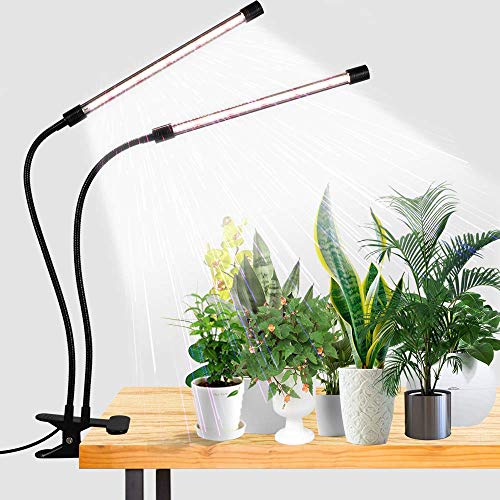
6000K White Light - equipped with 10 Red + 74 White LEDs, this growing Lamp is similar to the full-spectrum sunlight at noon,that is professionally designed for indoor garden plants.Moreover, its color rendering index is as high as 95, the light is soft and flicker-free, which is very suitable for reading lamp

SPACE-SAVING COUNTERTOP HYDROPONIC GARDEN: Compact hydroponic garden tucks neatly under cabinets or on narrow countertops, turning unused nooks into a productive indoor gardening system for small homes and busy cooks.

Sunlight Spectrum: Equipped with 6000 K white 3000 K warm white and 660 nm deep red, This plant grow light is similar to the sunlight at noon. Very suitable for indoor garden plants. Unique design, no dizzy light, no flicker when the only white light on.
Light Requirements
Provide ample light for your lettuce seedlings. Aim for 12 to 16 hours of light daily. Using fluorescent grow lights or LED lights creates a suitable environment. Place lights 2 to 4 inches above seedlings to prevent stretching. Adjust the height as the plants grow. If natural sunlight is available, a south-facing window can supplement artificial light.
Watering and Soil Conditions
Maintain consistent moisture in the seed-starting mix. Keep the soil damp but not soggy. Check daily and water gently to avoid disturbing seeds. Use a spray bottle for light misting. Choose a seed-starting mix that drains well to prevent root rot. If you notice the top layer drying out, it’s time to water. Additionally, ensure good airflow around the seedlings to reduce the risk of mold.
Conclusion
Starting your lettuce seeds indoors can set you up for a bountiful harvest. By timing it right and creating the perfect environment for growth you’ll enjoy fresh greens sooner. Remember to consider your local climate and the specific varieties you’re planting to make the most of your gardening efforts.
With a little planning and care you can ensure your seedlings thrive before they head outside. So grab your seed trays and get started—your future salads will thank you!
Frequently Asked Questions
When should I start lettuce seeds indoors?
You should start lettuce seeds indoors 4 to 6 weeks before your last expected frost date. This timing allows for robust root development before outdoor planting, ensuring your lettuce thrives in the garden.
What temperature is best for germinating lettuce seeds?
Lettuce seeds germinate best at temperatures between 60°F and 70°F (15°C and 21°C). Maintaining a stable temperature within this range will help promote successful germination.
How do I create the right conditions for indoor lettuce growth?
To create optimal conditions, provide 12 to 16 hours of light each day with grow lights, maintain consistent moisture in the soil, and ensure adequate airflow around the seedlings to prevent mold.
What supplies do I need to start lettuce seeds indoors?
Gather these supplies: seed trays with drainage holes, a light, a well-draining seed-starting mix, plant labels, and a watering can or spray bottle for gentle watering.
Can I use different lettuce varieties for indoor planting?
Yes, different lettuce varieties have unique growth rates and requirements. Fast-growing types like Butterhead and Leaf lettuce are ideal for early indoor planting, while slower varieties like Romaine may take longer to mature.
