

Have you ever wondered if you could grow fresh lettuce right in your kitchen without soil? Imagine snipping off a few leaves for your salad, knowing they were grown in just water. It’s not only possible but also a fun and rewarding project.
Key Takeaways
- Hydroponics Basics: Growing lettuce in water-only systems is possible through hydroponics, allowing direct nutrient access to roots and accelerating growth.
- Variety Selection: Choosing the right lettuce variety, such as Butterhead, Romaine, or Leaf Lettuce, is crucial for optimal flavor and growth within a water-only setup.
- Setup Essentials: Key materials for a successful water-only lettuce garden include food-grade containers, net pots, a hydroponic nutrient solution, and proper lighting.
- Water Maintenance: Utilize non-chlorinated water, monitor pH levels between 5.5 to 6.5, and regularly change the water and nutrient solution to ensure healthy growth.
- Harvesting Tips: Harvest lettuce when leaves reach 6 to 8 inches tall, and store it correctly by rinsing, drying, and refrigerating for the best flavor and freshness.
- Sustainable Gardening: Hydroponic lettuce growing is environmentally friendly, using 90% less water than traditional gardening and minimizing pesticide use.
Understanding Hydroponics
Hydroponics involves growing plants without soil, using nutrient-rich water instead. This method allows you to provide plants with necessary nutrients directly through their roots.
What Is Hydroponics?
Hydroponics is a technique that enables you to grow plants in a water-based solution. In this system, you suspend plants in a nutrient solution, ensuring they receive all essential elements for growth. Various types of hydroponic systems exist—like deep water culture and nutrient film technique. Each system has unique methods for delivering nutrients and oxygen to roots. Using hydroponics simplifies plant care and often accelerates growth rates.
Benefits of Growing Lettuce in Water
Growing lettuce in hydroponics offers several advantages:
- Faster Growth: Lettuce grows significantly faster in a hydroponic system due to direct access to nutrients.
- Space-Saving: Hydroponics can thrive in small spaces. You can easily set up a system on a countertop, balcony, or indoors.
- Reduced Pesticides: Less exposure to soil means fewer pests and diseases, reducing the need for chemical treatments.
- Water Efficiency: Hydroponics uses up to 90% less water than traditional soil gardening, making it more sustainable.
- Continuous Harvest: With proper management, you can harvest lettuce throughout the year, providing a steady supply for your kitchen.
These benefits highlight why hydroponics is a popular choice for growing lettuce and other leafy greens at home.
Choosing the Right Lettuce Variety
Selecting the right lettuce variety is crucial for successful growth in water only. Different lettuce types offer unique flavors, textures, and growth habits.
Recommended Products
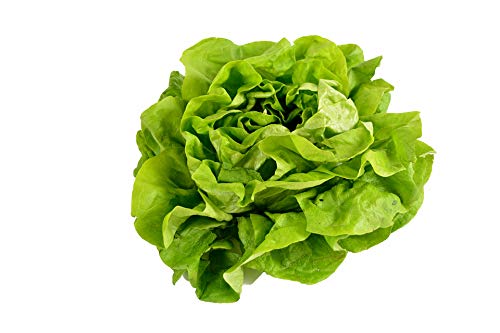
This lettuce is well known for its sweet flavor. Best if harvested in the morning.

Award-Winning Butterhead Variety: Bibb lettuce produce tender, crunchy lettuce heads with rich green leaves. Salad lettuce heirloom seeds are slow to bolt and heat tolerant in USDA zones 2–10. These vegetables seeds perform well in spring and fall.

4 Popular Heirloom Lettuce Varieties: Includes Red Romaine, Bibb Butterhead, Black Seeded Simpson, and Green Ice lettuce seeds to grow crisp, tender, and colorful salad greens with balanced flavor, texture, and visual appeal.
Popular Varieties for Hydroponics
- Butterhead: Known for its tender leaves and sweet taste, Butterhead lettuce thrives in hydroponic systems. Varieties like Buttercrunch grow rapidly and deliver continuous harvests.
- Romaine: Romaine’s crunchy texture makes it a favorite for salads. Popular varieties include Paris Island and Cos, both well-suited for water cultivation.
- Leaf Lettuce: This type comes in various colors and shapes, providing fast growth and a diverse harvest. Varieties like Red Leaf and Green Leaf are excellent choices.
- Oakleaf: With its frilled, oak-like shape, Oakleaf lettuce grows well in hydroponics and adds visual interest to your garden. It offers a mild flavor, great for salads.
- Criolla: This lesser-known variety features crisp, bright green leaves and performs well in water-only systems. Its unique taste complements various dishes.
- Growth Rate: Choose varieties known for quick growth. Faster-growing types allow for frequent harvesting and continuous production.
- Space Requirements: Select lettuce that fits your growing space. Leafy greens like Butterhead require less room than larger varieties.
- Taste Preference: Consider your personal taste. If you prefer sweeter greens, Butterhead or Oakleaf may suit you better than the more bitter Romaine.
- Climate Tolerance: Some lettuce varieties handle temperature fluctuations better. Opt for heat-tolerant types if your growing environment is warm, like Butterhead.
- Nutrient Needs: Determine the nutrients you’ll provide. Some varieties require more nutrients; find those that flourish in your chosen hydroponic system.
Selecting the right lettuce variety enhances your experience in growing lettuce in water only. Focus on options that suit your preferences and environmental conditions for the best results.
Setting Up Your Water-Only System
Creating a successful water-only growing system for lettuce requires careful planning and the right materials. Here’s how to get started.
Recommended Products

[Comprehensive Kit]: This hydroponic starter kit includes 72 rockwool cubes and 72 mesh cups - everything you need to start growing your plants without soil! Whether you're an experienced gardener or a beginner, this kit is perfect for starting your seeds and cuttings.

Ready-to-Grow Kit: Includes 72 pre-cut 1.2" x 1.2" x 1.65" rock wool cubes (2 leaves) and 72 2 inch net cups; The rock wool cubes provide an excellent hydroponic substrate, making them a superior solution for all your growing needs

Package Includes: 12 pcs Net Pots, 12 feet self-watering capillary wick cord, and 12 pcs plant labels. With Orimerc self-watering wick to make DIY automatic self-watering planter pot, vacation self-watering system waterer for potted plants, orchid, or African Violet, auto wicking hydroponic device; Reusable plant labels to mark what type of seed you plant and to remind you what's where and ideal for identifying seedlings or potted plants without getting in the way.
Required Materials and Equipment
- Containers: Use large, food-grade containers or buckets that can hold water and allow for root growth. Ensure they’re dark to prevent algae growth.
- Net Pots: Choose net pots that fit securely in the container openings. These hold the lettuce seedlings and allow roots to access water.
- Growing Medium: Opt for lightweight mediums like rock wool or clay pellets. These support plant roots in the net pots.
- Nutrient Solution: Select a hydroponic nutrient solution specifically formulated for leafy greens. This provides essential vitamins and minerals.
- pH Testing Kit: Purchase a pH testing kit to measure and adjust water acidity, maintaining levels around 5.5 to 6.5 for optimal growth.
- Water: Use non-chlorinated water to prevent harm to seedlings. You can let tap water sit for 24 hours to allow chlorine to dissipate.
- Light Source: Provide sufficient light using grow lights, especially if you’re growing indoors. Bright, full-spectrum lights promote healthy growth.
- Prepare Your Containers: Clean all containers with soap and water. Rinse thoroughly to eliminate residues.
- Fill Containers: Fill containers with non-chlorinated water, leaving enough space for seedlings. Add the hydroponic nutrient solution according to package instructions.
- Adjust pH: Test and adjust the water’s pH using the pH kit. Aim for a balance between 5.5 and 6.5.
- Plant Seedlings: Start seeds in net pots with your chosen growing medium. Once seedlings are 2-4 inches tall, transfer them to the containers by placing the net pots into the openings.
- Provide Light: Position grow lights 12-24 inches above the plants. Set a timer for 14-16 hours of light daily to promote growth.
- Monitor Water Levels: Check water levels regularly and refill as necessary. The roots must always stay submerged in the nutrient solution.
- Maintain Cleanliness: Clean containers and water regularly to prevent algae and disease. Replace the nutrient solution every two weeks for optimum health.
Following these steps ensures you set up a reliable water-only growing system for your lettuce. By providing the right environment and care, you’ll be on your way to enjoying fresh, home-grown greens.
Maintaining Your Water-Only Lettuce Garden
Maintaining your water-only lettuce garden ensures healthy growth and a bountiful harvest. Focus on water quality, nutrient solutions, light, and temperature to create an optimal environment for your lettuce.
Recommended Products

Improves Nutrient Uptake – Helps maintain proper pH range to support efficient nutrient absorption and plant performance.

✅Precise pH Control – Formulated with food-grade phosphoric acid (pH Down) and premium buffering agents, this kit ensures accurate pH adjustment (5.5–6.5 range) for optimal nutrient absorption in hydroponics, soil, aquaponics, and more.

🌿 BALANCED LIQUID PLANT FOOD (4-3-6): Perfect N-P-K ratio to promote abundant growth, healthy foliage, vibrant blooms, and flavorful harvests for tomatoes, strawberries, lettuce, lucky bamboo, herbs, and indoor house plants.
Water Quality and Nutrient Solutions
Use non-chlorinated water for your hydroponic system. Chlorine can harm plant roots. If tap water is necessary, let it sit for 24 hours to allow chlorine to evaporate.
Check the pH levels of your water regularly. Ideal pH for lettuce ranges from 5.5 to 6.5. A simple pH testing kit helps you monitor this. If pH adjusts need to be made, use pH up or pH down solutions.
Add a hydroponic nutrient solution designed for leafy greens. Follow the manufacturer’s instructions for mixing and dosage. Nutrient solutions provide essential minerals such as nitrogen, phosphorus, and potassium.
Change the water every two weeks to prevent stagnation and nutrient depletion. Replace about 50% of the water initially mixed with fresh water and nutrients. This practice promotes strong growth and healthy leaves.
Light and Temperature Requirements
Provide 12 to 16 hours of light each day for optimal growth. Use LED grow lights for energy efficiency and a lower heat output. Position lights about 6-12 inches above the lettuce to prevent burning while ensuring plants receive adequate illumination.
Maintain a temperature range of 65°F to 75°F (18°C to 24°C). Extreme temperatures can slow growth or cause stress. Monitor heat levels and adjust lighting as necessary to maintain a consistent temperature.
Rotate your lettuce containers if you notice uneven growth. This practice ensures all plants receive equal light exposure. Regularly observe your garden for signs of pests or nutrient deficiencies, making adjustments as necessary to support healthy growth.
By focusing on water quality, nutrient solutions, light, and temperature, you can successfully maintain your water-only lettuce garden for a year-round harvest.
Harvesting and Enjoying Your Lettuce
Harvesting your lettuce is a rewarding process that leads to fresh, flavorful meals. Knowing when and how to harvest enhances your hydroponic experience.
When to Harvest Your Lettuce
Harvest your lettuce when the leaves reach about 6 to 8 inches in height. At this stage, the leaves are tender and full of flavor. For cut-and-come-again varieties, you can pick the outer leaves, allowing the inner leaves to continue growing. Avoid harvesting too late, as overgrown leaves can become tough and bitter. Generally, expect a harvest window of 30 to 60 days post-planting, depending on the variety.
Tips for Storing and Using Fresh Lettuce
Store your freshly harvested lettuce to maintain its crispness.
- Rinse and Dry: Quickly rinse the leaves under cool water to remove any debris. Spin them in a salad spinner or gently pat them dry with a clean kitchen towel.
- Use Containers: Place the dry leaves in a perforated plastic bag or a container lined with paper towels to absorb excess moisture. Title your storage container to avoid confusion.
- Refrigerate: Store your lettuce in the refrigerator. It stays fresh for up to one week, but it’s best used within a few days for optimal taste.
When you’re ready to enjoy your lettuce, consider these serving suggestions:
- Salads: Toss fresh leaves with your favorite dressings and toppings for a simple salad.
- Wraps: Use sturdy leaves as wraps for meats, cheeses, and vegetables.
- Smoothies: Blend leaves into smoothies for extra nutrition without altering flavor.
Following these steps ensures you maximize both the enjoyment and shelf life of your home-grown lettuce.
Conclusion
Growing lettuce in water only is a rewarding and simple way to enjoy fresh greens right at home. With the right setup and a bit of care you can reap the benefits of hydroponics while savoring delicious lettuce varieties.
As you dive into this journey remember to keep an eye on water quality and nutrient levels. Regular maintenance will ensure your plants thrive and provide you with a continuous supply of crisp leaves.
Harvesting at the right time and storing your lettuce properly will enhance your culinary creations. So get started and enjoy the process of growing your own lettuce in a fun and innovative way!
Frequently Asked Questions
What is hydroponics and how does it work?
Hydroponics is a method of growing plants without soil, using nutrient-rich water instead. This technique delivers essential nutrients directly to the plant roots, promoting faster growth and healthier produce. By creating a controlled environment, hydroponics allows for year-round cultivation of various plants.
What varieties of lettuce can I grow hydroponically?
Popular hydroponic lettuce varieties include Butterhead, Romaine, Leaf Lettuce, Oakleaf, and Criolla. Each has distinct flavors, textures, and growth patterns, enabling you to choose one based on your taste preference and the space available for growing.
What materials do I need to set up a hydroponic system?
To set up a hydroponic system for lettuce, you’ll need food-grade containers, net pots, lightweight growing mediums, hydroponic nutrient solutions, pH testing kits, non-chlorinated water, and grow lights. These materials support the healthy growth of your plants.
How do I maintain my hydroponic lettuce garden?
Maintaining your hydroponic lettuce garden involves checking water quality, nutrient levels, and pH regularly. Change the water every two weeks, provide adequate light for 12 to 16 hours daily, and keep the temperature between 65°F and 75°F for optimum growth conditions.
When is the best time to harvest hydroponic lettuce?
Harvest lettuce when the leaves reach 6 to 8 inches in height for the best flavor and texture. Use clean scissors to cut the leaves, leaving some behind for continuous growth, which allows for multiple harvests from the same plant.
How should I store freshly harvested lettuce?
To store freshly harvested lettuce, rinse and dry the leaves thoroughly. Place them in appropriate storage containers and refrigerate. This keeps the lettuce crisp and fresh for up to a week, ensuring you enjoy your home-grown greens longer.
