

Are you wondering when to plant lettuce seeds for the best harvest? You’re not alone! Many gardeners face the same question, eager to enjoy fresh, crisp lettuce right from their backyard. Timing is everything when it comes to growing this delicious leafy green.
Key Takeaways
- Optimal Timing: Plant lettuce seeds in cooler temperatures (40°F to 70°F) for sweeter, more flavorful leaves; ideal times are late spring or early fall.
- Seasonal Adaptation: Start spring planting 2 to 4 weeks before the last frost, and for fall planting, sow seeds 4 to 6 weeks before the first frost to maximize crop success.
- Direct Seeding vs. Transplanting: Choose between direct seeding for larger areas or transplanting seedlings started indoors for earlier harvests and reduced pest exposure.
- Climate Considerations: Keep local climate patterns in mind as warm temperatures can stress lettuce, leading to bitterness; adjust planting times accordingly.
- Soil Temperature Monitoring: Ensure soil temperatures are within the ideal range (40°F to 70°F) for optimal germination; use a soil thermometer to monitor conditions.
- Common Mistakes: Avoid planting too early before frost dates and ensure seeds are covered at the correct depth (¼ inch) for successful germination and growth.
Understanding Lettuce Planting Times
Timing plays a crucial role in growing lettuce successfully. Planting at the right time enhances growth and flavor, providing a bountiful harvest.
Importance of Timing
Timing affects the maturity and taste of lettuce. For optimal results, sow seeds when soil temperatures range from 40°F to 70°F. Cooler temperatures produce sweeter, more flavorful leaves. Late spring or early fall offers the best conditions. Avoid planting in extreme heat, as lettuce may bolt, resulting in bitter leaves.
Seasonal Considerations
Consider your local climate when planning your planting schedule.
- Spring Planting: Plant seeds about 2 to 4 weeks before the last expected frost. This allows for early cool-season growth.
- Fall Planting: Sow seeds 4 to 6 weeks before the first expected frost. This schedule allows for a second harvest when temperatures cool.
- Growing Seasons: In regions with mild winters, you can grow lettuce year-round. Monitor local conditions to determine the best planting times.
Adjust your planting schedule according to climate zones. Keeping temperature ranges and seasonal shifts in mind results in healthier plants and richer flavors.
Strategies for Planting Lettuce Seeds
Successful lettuce cultivation begins with understanding the best planting strategies. Choose the method that fits your gardening style and climate for optimal results.
Recommended Products

12-LED GROW LIGHT PER TRAY — Each of the five seed starting trays features a full-spectrum grow light with 12 LED beads, providing supplemental light for indoor seedlings.
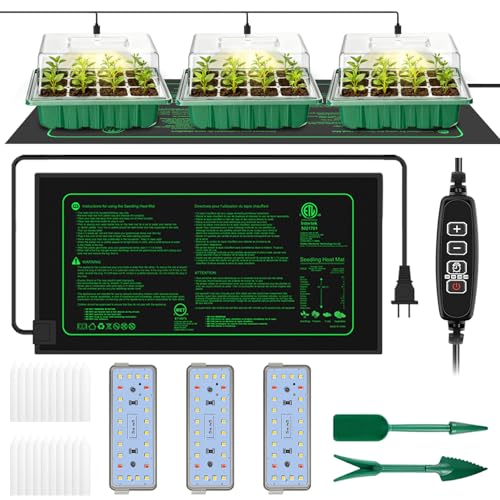
🌱【Most Suitable Temperature】The Durable Seedling Hydroponic Heat Mat provides consistent, uniform heating at temperatures around 70°F to 85°F (24℃ to 30℃), which are the perfect temperatures for seed starting and cutting propagation.High-quality plastic is reusable, recyclable. The seed starter trays are divided into equal 1.96" squares in 1.85" depth for your small or large seeds for flowers, vegetables, fruits, succulents and other plants. It is designed with the proper size holes to allow drainage, while the bottom seedling trays retains overflow water to prevent leaking.

Seed Starter Trays with Grow Lights and Heat Mat, Plant Starting Kit 4 Timing Set Humidity Domes Heightened Lids for Small Mini Greenhouse Germination Seeds Growing Starting
Direct Seeding Versus Transplanting
Direct seeding involves planting seeds directly into the garden soil. It’s simple and ideal for large areas. Sow seeds ¼ to ½ inch deep, ensuring spacing between seeds for proper growth. Thin seedlings to about 6 to 12 inches apart once they reach a few inches tall.
Transplanting, on the other hand, allows you to start seeds indoors or in a controlled environment before moving them outside. This method can yield earlier crops and reduce pest exposure. Use seed trays or small pots to start seeds 4 to 6 weeks before the last frost. Once seedlings are a few inches tall and the outdoor conditions are suitable, transplant them into the garden, spacing them similarly to direct seeding.
Indoor Seed Starting
Starting lettuce seeds indoors provides several advantages. It offers more control over the growing environment and can extend your growing season. Use seed starting trays filled with potting soil. Plant seeds ¼ inch deep and keep the soil moist. Position the trays in a bright location or under grow lights to ensure adequate light and warmth.
Once the seedlings develop their first true leaves, they’re ready for transplanting. Harden them off by exposing them to outdoor conditions gradually over a week. Start with a few hours each day, increasing the exposure time gradually. This practice helps reduce transplant shock, resulting in healthier plants once planted outdoors.
Factors Influencing Planting Decisions
Multiple factors influence when to plant lettuce seeds effectively. Understanding these elements can enhance your success in growing this leafy green.
Recommended Products

PRECISE SOIL TEMPERATURE READINGS: Measures soil temperatures from 20 degrees F to 180 degrees F (0 degrees C to 80 degrees C) with a large, easy-to-read analog dial face - no batteries or digital screens needed for reliable results every time

Easy-to-read green, yellow, and red tick marks for easy monitoring
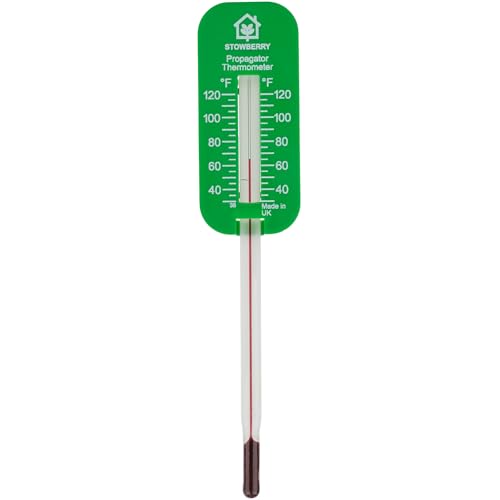
ACCURATE SOIL TEMPERATURE READINGS – Ensure the perfect growing environment for seeds and plants with this greenhouse soil thermometer, designed to give reliable and precise temperature measurements.
Climate and Weather Conditions
Climate significantly impacts your planting schedule. You should consider local climate patterns before planting. Regions with warm summers often experience challenges with heat stress, leading to bitter-tasting lettuce. Aim to plant seeds early in spring or later in summer to avoid high temperatures.
In cooler areas, you can extend the growing season by starting seeds indoors. For example, using a greenhouse can help you sow seeds earlier. Check local frost dates to optimize your planting times.
Soil Temperature Requirements
Soil temperature plays a crucial role in seed germination. Lettuce seeds thrive when soil temperatures fall between 40°F and 70°F. At temperatures above 75°F, germination rates drop significantly. To monitor soil temperature effectively, use a soil thermometer.
If soil temperatures are too low, consider germinating seeds indoors. Once the temperatures rise adequately, transplant the seedlings into your garden. By ensuring the right soil temperature, you promote healthy growth and flavorful harvests.
Common Mistakes to Avoid
When planting lettuce seeds, avoiding common mistakes can significantly impact your results.
Recommended Products

YEAR-ROUND GARDEN FAVORITE – Dependable butterhead lettuce that thrives in cool or moderate weather for consistent harvests from spring through fall, even under cover in winter

4 Popular Heirloom Lettuce Varieties: Includes Red Romaine, Bibb Butterhead, Black Seeded Simpson, and Green Ice lettuce seeds to grow crisp, tender, and colorful salad greens with balanced flavor, texture, and visual appeal.

Black Seeded Simpson is a classic heirloom loose leaf lettuce with large, tender green leaves and a mild, sweet flavor. Harvest fresh leaves for salads, sandwiches, wraps, and other homegrown meals.
Overlooking Frost Dates
Frost dates play a vital role in determining when to plant lettuce seeds. Planting your seeds too early may expose them to frost, which can damage or kill young seedlings. Always check your local frost dates before planting. If you’re in a region with unpredictable weather, consider using floating row covers for added protection during unexpected cold snaps.
Ignoring Planting Depth
Planting depth directly affects seed germination and growth. For lettuce seeds, aim for a planting depth of about ¼ inch. Planting them too deep can hinder their ability to sprout. Use a light hand when covering the seeds with soil. Remember to keep the soil consistently moist, but not soggy, to ensure optimal conditions for germination.
Conclusion
Getting the timing right for planting lettuce seeds can make all the difference in your garden. By paying attention to soil temperatures and local climate conditions you’ll set yourself up for a delicious and plentiful harvest. Remember to sow your seeds at the right times and consider starting them indoors if your growing season is short.
Avoid common pitfalls like planting too deep or too early and keep an eye on moisture levels to ensure your lettuce thrives. With a little care and attention you’ll be enjoying fresh, crisp lettuce in no time. Happy gardening!
Frequently Asked Questions
When is the best time to plant lettuce seeds?
The best time to plant lettuce seeds is during late spring or early fall. For optimal growth, sow seeds 2 to 4 weeks before the last expected frost in spring, or 4 to 6 weeks before the first expected frost in fall.
What soil temperature is ideal for lettuce seeds?
Lettuce seeds germinate best when soil temperatures range from 40°F to 70°F. Cooler temperatures generally produce sweeter leaves, while higher temperatures can lead to bitterness.
Should I direct seed or transplant lettuce?
You can choose between direct seeding and transplanting. Direct seeding is easier for larger areas, while transplanting allows for earlier crops and less pest exposure.
How can I prevent lettuce from becoming bitter in hot weather?
To avoid bitterness, plant lettuce seeds early in spring or in late summer. Monitor local climate patterns and be mindful of extreme heat.
What are common mistakes to avoid when planting lettuce?
Common mistakes include planting too early and not checking local frost dates, which can damage seedlings. Additionally, avoid planting seeds too deep; they should be about ¼ inch deep for optimal germination.
How can I ensure my lettuce seeds germinate successfully?
Keep the soil consistently moist but not soggy, and monitor soil temperature to ensure it stays within the ideal range of 40°F to 70°F. Germinate seeds indoors if necessary.
Can I grow lettuce year-round?
Yes, in regions with mild winters, you can grow lettuce year-round. Adjust your planting schedule based on local climate conditions to achieve the best results.
What should I do if I plant lettuce too early?
If you plant too early, be prepared to protect seedlings from frost using floating row covers or other protective measures. Ensure your planting aligns with local frost dates.
