

Are you eager to grow your own fresh lettuce but unsure when to plant it in Central Texas? You’re not alone. Many aspiring gardeners face the same dilemma, especially with the region’s unique climate challenges.
Key Takeaways
- Optimal Planting Times: Plant cool-season lettuce from late January to early March and again in late August to mid-September. For warm-season varieties, aim for late March to early April.
- Temperature Preferences: Cool-season lettuce thrives in 60°F to 70°F, while warm-season varieties prefer temperatures above 70°F to avoid bolting.
- Frost Dates: In Central Texas, the average last frost date is mid-March to early April, and the first frost typically occurs between late November and early December.
- Ideal Soil Conditions: Lettuce grows best in well-draining, loamy soil with a pH level between 6.0 and 7.0. Regular soil testing helps maintain optimal conditions.
- Nutrient Management: Enrich soil with balanced fertilizer or organic amendments before planting, and apply nitrogen-rich fertilizer every 4-6 weeks for sustained growth.
- Variety Selection: Choose from a range of lettuce varieties suitable for the climate, including Butterhead and Romaine for cool seasons, and Iceberg and Summer Crisp for warm seasons.
Understanding Lettuce Varieties
Knowing lettuce varieties helps you select the best options for your garden in Central Texas. Consider the following categories: cool-season and warm-season varieties.
Recommended Products

CLASSIC HEIRLOOM LETTUCE SEEDS – Black-seeded Simpson is a beloved loose-leaf lettuce with light green ruffled leaves and sweet mild taste, ideal for fresh salads and easy harvests from spring through fall

Healthy Food Source: Because of its tender flavor, lettuce is a popular vegetable for salad, sandwiches, wraps, soups, stir-fries and juice. There are over 20,000 seeds, 10 kinds of lettuce collection, including bibb, boston, iceberg, buttercrunch, grand rapids TBR, oakleaf, ruby leaf, cimmaron romaine and waldmann's

YEAR-ROUND GARDEN FAVORITE – Dependable butterhead lettuce that thrives in cool or moderate weather for consistent harvests from spring through fall, even under cover in winter
Cool-Season Varieties
Cool-season lettuce thrives in temperatures between 60°F and 70°F. These varieties grow best during late winter and early spring, as well as in the fall. Common cool-season types include:
- Butterhead: This variety boasts tender, sweet leaves. Popular examples are Bibb and Boston lettuce.
- Romaine: Known for its crispy texture, varieties like ‘Parris Island Cost’ suit salads well.
- Looseleaf: Easy to grow, looseleaf varieties like ‘Red Romaine’ and ‘Buttercrunch’ offer quick harvests.
Plant these seeds from late January to early March and again in late August to mid-September for optimal results.
Warm-Season Varieties
Warm-season lettuce flourishes when temperatures rise above 70°F. These varieties are ideal for planting in late spring and summer. Common warm-season types include:
- Iceberg: This classic type features crunchy heads. Varieties like ‘Great Lakes’ handle heat better.
- Summer Crisp: Known for bolting resistance, ‘Nevada’ variety provides a reliable option during the hot months.
- Asian Greens: Varieties such as Mizuna and Tatsoi thrive in warmer weather and bring unique flavors to salads.
Plant warm-season varieties in late March to early April for summer harvests. Be mindful of heat, as prolonged high temperatures can cause bolting and bitterness in lettuce.
Climate Considerations in Central Texas
Central Texas has a unique climate that influences your planting schedule. Understanding this climate helps you grow healthy lettuce.
Recommended Products

Easy-to-read green, yellow, and red tick marks for easy monitoring

PRECISE SOIL TEMPERATURE READINGS: Measures soil temperatures from 20 degrees F to 180 degrees F (0 degrees C to 80 degrees C) with a large, easy-to-read analog dial face - no batteries or digital screens needed for reliable results every time
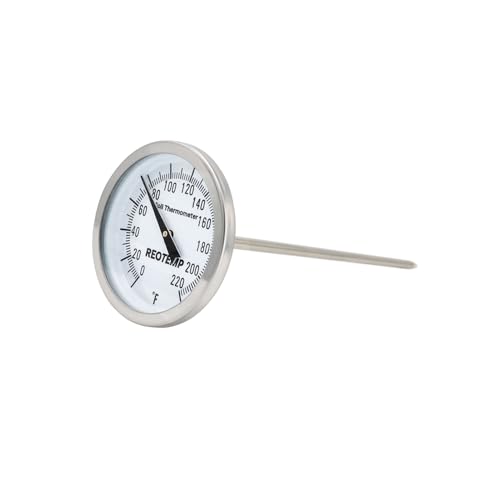
Corrosion Resistant 304 Stainless Steel Case, Bezel and 5" Stem
Average Frost Dates
Frost dates play a crucial role in gardening. In Central Texas, the average last frost date occurs between mid-March and early April. The first frost typically happens between late November and early December. These dates may vary slightly each year. To ensure successful planting, consult local frost date resources or gardening apps.
Temperature Range
Temperature significantly impacts lettuce growth. Cool-season lettuce thrives between 60°F and 70°F, making late winter and early fall ideal times for planting. Warm-season lettuce prefers temperatures above 70°F and does well when planted from late March to early April. Monitoring temperatures during planting helps you avoid issues like bolting and bitterness. Using a soil thermometer can provide accurate readings.
Ideal Planting Times
Understanding the ideal planting times for lettuce in Central Texas helps ensure a successful harvest. Pay attention to the two main planting periods: spring and fall.
Spring Planting
For spring planting, target late March to early April. This window takes advantage of warming soil temperatures while avoiding the late frost risks. Choose warm-season varieties like Iceberg and Summer Crisp during this period. You can plant seeds directly in the garden or start them indoors and transplant later. Always check soil temperatures; they should consistently exceed 70°F for optimal growth.
Fall Planting
For fall planting, aim for late August to mid-September. This timeframe allows cool-season varieties like Butterhead, Romaine, and Looseleaf to flourish. Plant seeds directly in the garden, ensuring to monitor the forecast for the first frost date, usually between late November and early December. Maintaining soil temperatures between 60°F and 70°F promotes vibrant growth and prevents issues like bolting.
Soil Preparation and Maintenance
Preparing your soil for lettuce is essential for healthy growth. Start with a careful assessment of your soil conditions before planting.
Recommended Products

Quick, at home results for Soil pH, Nitrogen, Phosphorous and Potash Innovative and inexpensive soil test kit features an easy-to-use capsule system and patented color comparators

Kindly NOTE: This soil tester can not be applied to test pH value of any other liquid. If the soil is too dry the indicator will not move, and water it before testing.

Accurate Soil pH Testing: Dewildetradingco Soil pH Test Strips offer measurements of soil pH levels (pH 3.5-9). As an essential tool for every gardener and grower, these test strips help determine the optimal pH for various plants, such as outdoor plants, indoor plants, gardens, grass lawns, fruit trees, flowers, vegetables, and forest shrubs.
Soil Type for Lettuce
Lettuce thrives in well-draining, loamy soil. Aim for a pH level between 6.0 and 7.0. If your soil is heavy clay, incorporate organic matter such as compost or peat moss to improve drainage. Sandy soils may require additional organic material to retain moisture. Test your soil every 1-2 years to monitor its health and adjust accordingly.
Nutrient Requirements
Lettuce plants require specific nutrients for robust growth. Prior to planting, enrich your soil with a balanced fertilizer containing equal parts nitrogen, phosphorus, and potassium. For organic options, use compost or well-rotted manure. In-season, apply a nitrogen-rich fertilizer every 4-6 weeks for continuous growth. Monitor your plants for signs of nutrient deficiencies, such as yellowing leaves, and adjust your feeding regimen as needed.
Conclusion
Timing is everything when it comes to planting lettuce in Central Texas. By understanding the right seasons for both cool and warm varieties you can enjoy a bountiful harvest. Remember to keep an eye on those frost dates and soil temperatures to ensure your lettuce thrives. With a little planning and care your garden can provide you with fresh and delicious greens throughout the growing season. Happy gardening and enjoy your lettuce!
Frequently Asked Questions
When is the best time to plant lettuce in Central Texas?
The best time to plant lettuce in Central Texas varies by season. For cool-season varieties, plant from late January to early March and again in late August to mid-September. For warm-season varieties, the optimal time is late March to early April, when temperatures rise above 70°F.
What are the different types of lettuce suitable for Central Texas?
Lettuce varieties suitable for Central Texas are categorized into cool-season and warm-season types. Cool-season includes Butterhead, Romaine, and Looseleaf, while warm-season includes Iceberg, Summer Crisp, and Asian Greens. Choose based on the planting season.
What is bolting, and how can I prevent it in lettuce?
Bolting is when lettuce produces flowers, causing the leaves to become bitter and tough. To prevent bolting, plant during the appropriate seasons and monitor temperatures, especially avoiding planting during prolonged high heat above 70°F.
How can I prepare my soil for planting lettuce?
To prepare soil for lettuce, ensure it is well-draining and loamy with a pH of 6.0 to 7.0. For heavy clay soils, add organic matter like compost, and for sandy soils, include organic material to help retain moisture. Regular soil testing is also recommended.
What nutrient requirements does lettuce have?
Lettuce requires balanced nutrition for healthy growth. Use a balanced fertilizer before planting and apply a nitrogen-rich fertilizer every 4-6 weeks during the growing season to support robust growth and prevent nutrient deficiencies. Monitor your plants for signs of deficiencies.
