

Are you wondering when the perfect time is to kickstart your tomato-growing journey? Picture this: it’s a warm summer day, and you’re savoring the taste of a freshly picked tomato from your own garden. The satisfaction of growing your own produce is unbeatable. But when should you begin planting to ensure a bountiful harvest?
Key Takeaways
- Plant tomatoes when the soil temperature reaches at least 60°F for optimal growth.
- Ensure tomatoes receive 6-8 hours of direct sunlight daily to produce healthy fruits.
- Consider regional variations in the US when deciding on the best time to plant tomatoes.
- Tomatoes thrive in warm weather with temperatures between 70-85°F during the day and above 55°F at night.
- Starting tomato seeds indoors allows for early start, controlled environment, protection from external factors, and wider variety selection.
- Proper soil preparation, watering techniques, pest control, and pruning are essential for successful tomato cultivation.
Understanding Tomato Growing Seasons
When it comes to understanding tomato growing seasons, there are key factors you should consider to ensure a successful harvest.
The Importance of Temperature
Tomatoes thrive in warm temperatures. They need a consistent temperature range between 70-85°F (21-29°C) for optimal growth. Planting your tomatoes when the soil temperature reaches at least 60°F (15°C) ensures they establish well and grow vigorously.
The Role of Sunlight
Sunlight is crucial for tomato plants as they require full sun exposure to produce sweet, juicy fruits. Aim for at least 6-8 hours of direct sunlight daily for your tomato plants to flourish. Insufficient sunlight may result in stunted growth and lower fruit production.
Ensure you monitor both temperature and sunlight levels diligently throughout the growing season to provide the best conditions for your tomato plants’ development.
Regional Considerations for Planting Tomatoes
When deciding on the best time to start growing tomatoes, it’s crucial to consider regional variations that can impact your planting schedule. Here are some key factors to keep in mind:
Best Planting Times in the US
In the United States, the ideal time to plant tomatoes varies depending on your location. Here is a general guideline based on different regions:
- Northern States (e.g., Maine, Minnesota): Wait until after the last frost date before planting tomatoes, typically around late spring or early summer.
- Southern States (e.g., Florida, Texas): You have a longer growing season, so you can start planting tomatoes earlier in the year, usually in late winter or early spring.
- Western States (e.g., California, Oregon): Consider your specific microclimate when determining the best planting time. Coastal areas might have milder temperatures compared to inland regions.
By understanding your region’s climate and average frost dates, you can plan your tomato planting schedule effectively for a successful harvest.
How Climate Affects Tomato Growth
The climate plays a significant role in determining how well your tomato plants will thrive. Here’s how different climate conditions can impact tomato growth:
- Temperature: Tomatoes prefer warm weather with daytime temperatures between 70-85°F (21-29°C) for optimal growth. Nighttime temperatures should ideally stay above 55°F (13°C) to prevent cold stress on the plants.
- Sunlight: Tomatoes require at least 6-8 hours of direct sunlight daily to produce healthy fruits. Insufficient sunlight can lead to leggy plants and poor fruit development.
- Humidity: While tomatoes generally prefer lower humidity levels to prevent diseases like blight, they also need consistent moisture in the soil during their growth stages.
By considering these climate factors and adjusting your cultivation practices accordingly, you can create an environment that promotes robust tomato plant growth and ensures a plentiful harvest of delicious homegrown tomatoes.
Indoor Vs. Outdoor Tomato Growing
When considering tomato cultivation, you may wonder about the advantages of starting seeds indoors versus directly planting in outdoor gardens. Here’s a breakdown to help you make an informed decision:
Recommended Products

【Newest Grow Light】The appearance of the lamp head adopts patentable mold technology and incorporates exclusive design concepts. The back plate has a unique pattern and premium texture which is not easily scratched. The holes in the back are specially reserved for heat dissipation space, saying goodbye to the heating problem during the use of the lamp.
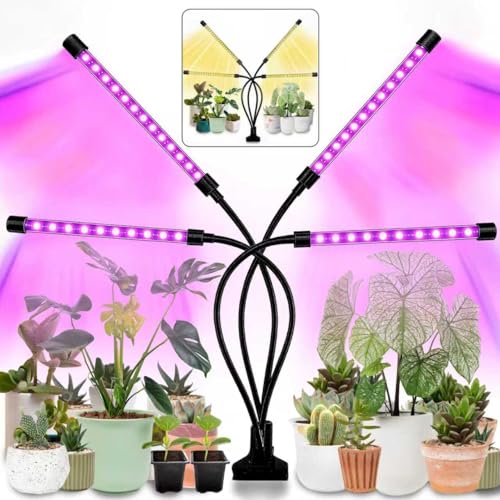
🌻Efficient LED Combination: This LED lamp has grow lights made up of 80 efficient growing LEDs ( 32 red lights, 12 blue lights,20 yellow lights and 16 white lights). It meets the conditions of plant growth without sunlight. 1--Full Spectrum(380nm-800nm): Suitable for all plants to root and sprout. 2--Red(660nm)+BLUE(460nm) Spectrum: for blooming and fruits. 3--Red+Blue+Full Spectrum: A mix of Red+Blue+Warm White is best to fuel the growth of your plants.
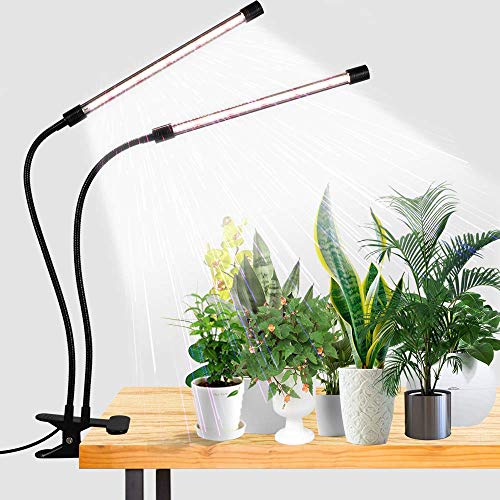
6000K White Light - equipped with 10 Red + 74 White LEDs, this growing Lamp is similar to the full-spectrum sunlight at noon,that is professionally designed for indoor garden plants.Moreover, its color rendering index is as high as 95, the light is soft and flicker-free, which is very suitable for reading lamp
Starting Seeds Indoors
Begin your tomato-growing journey by starting seeds indoors. This method offers several benefits:
- Controlled Environment: By germinating seeds indoors, you can create an ideal environment for seedlings to thrive. You control factors like temperature, humidity, and light exposure.
- Early Start: Starting indoors allows you to kickstart the growing season before outdoor conditions are optimal. This early start can lead to earlier harvests.
- Protection from External Factors: Indoor seedlings are shielded from harsh weather conditions, pests, and diseases that could hinder their growth outdoors.
- Variety Selection: Growing tomatoes from seeds gives you a wider range of tomato varieties to choose from compared to purchasing established plants.
To start seeds indoors successfully:
- Use sterile seed-starting mix.
- Provide adequate light with grow lights or natural sunlight.
- Maintain consistent moisture levels without overwatering.
- Transplant seedlings into larger containers as they grow.
Transitioning to Outdoor Gardens
Once your tomato seedlings have developed strong roots and leaves, it’s time to transition them outdoors for continued growth and eventual fruit production:
- Gradual Acclimatization: Before transplanting your indoor-grown tomatoes directly into the garden soil, acclimate them gradually to outdoor conditions over a period of days or weeks.
- Choosing the Right Time: Wait until the risk of frost has passed in your region before moving tomatoes outdoors permanently.
- Preparing Garden Beds: Ensure that your outdoor garden beds are well-prepared with nutrient-rich soil, proper drainage, and adequate sunlight for healthy tomato growth.
- Spacing Considerations: Properly space out tomato plants in the garden based on their mature size to allow for optimal air circulation and prevent overcrowding.
By following these steps when transitioning your indoor-grown tomatoes outdoors, you set them up for success in adapting to their new environment and thriving throughout the growing season.
Tips for Successful Tomato Cultivation
When it comes to growing healthy and vibrant tomatoes, there are key factors you need to consider. Here are some essential tips to ensure successful tomato cultivation:
Soil Preparation and Nutrition
To give your tomato plants the best start, focus on soil preparation and providing adequate nutrition. Ensure your soil is well-draining, rich in organic matter, and has a pH level between 6.0 and 6.8, which is ideal for tomato growth. Consider conducting a soil test to determine its nutrient levels and make any necessary amendments before planting.
When planting tomatoes, dig a hole deep enough to cover two-thirds of the plant’s stem for better root development. Add compost or aged manure to the soil to improve its fertility and structure. Mulch around the base of the plants to retain moisture, regulate soil temperature, and prevent weed growth.
Throughout the growing season, monitor your plants for any signs of nutrient deficiencies such as yellowing leaves or stunted growth. Consider fertilizing with a balanced fertilizer high in phosphorus (the middle number on the fertilizer label) once fruiting begins to support healthy fruit production.
Watering and Care Techniques
Proper watering is crucial for healthy tomato plants. Water consistently to keep the soil evenly moist but not waterlogged. Tomatoes need about 1-2 inches of water per week, either from rainfall or manual watering. Avoid overhead watering as it can lead to fungal diseases; instead, use drip irrigation or soaker hoses at the base of the plants.
Regularly inspect your tomato plants for pests like aphids, hornworms, or spider mites that can damage foliage and reduce fruit yield. Handpick larger pests if possible or use organic pest control methods like neem oil spray or introducing beneficial insects like ladybugs into your garden.
Prune your tomato plants by removing suckers (small shoots that develop between main branches) to improve air circulation and promote fruit development. Stake or cage indeterminate varieties for support as they grow taller throughout the season.
By following these tips on soil preparation, nutrition, watering techniques, and plant care practices, you’ll be well-equipped to cultivate robust tomatoes in your garden this season.
Conclusion
You’ve learned about the key factors for successful tomato cultivation, including temperature, sunlight, and regional planting considerations. Remember to prepare your soil well, provide proper nutrition, water diligently, and care for your plants throughout the season. By following these tips and tricks, you’ll be on your way to growing juicy and flavorful tomatoes in your garden. Happy gardening!
Frequently Asked Questions
What are the optimal conditions for growing tomatoes?
Tomatoes thrive in well-draining soil with full sun exposure and temperatures between 65-85°F. Consistent watering and good air circulation are crucial for healthy growth.
How do regional considerations impact tomato planting in the US?
Planting times vary across the US due to climate differences. Northern regions should plant after the last frost, while southern areas can start earlier. Adjust planting dates based on local weather patterns.
What tips can help ensure successful tomato cultivation?
Prepare soil with compost, maintain pH levels around 6-7, conduct nutrient tests regularly, promote strong root development through deep watering, mulch to retain moisture, fertilize appropriately, control pests organically, prune for airflow, and support indeterminate varieties with stakes or cages.
