

Have you ever wondered when and how to grow tomatoes successfully in your own backyard? Picture this: it’s a warm summer day, and you’re craving the taste of juicy, homegrown tomatoes in your salads or sandwiches. But where do you start?
In this article, you’ll discover the essential tips and techniques for growing delicious tomatoes right at home. From choosing the perfect time to plant your seeds to nurturing your plants as they grow, we’ve got you covered.
Key Takeaways
- Plant tomato seeds or seedlings after the last frost date in late spring or early summer when the soil temperature is around 60°F (15°C) for optimal germination.
- Choose disease-resistant tomato varieties in regions with high humidity to prevent diseases like blight and increase harvest success.
- Select well-draining soil with a pH level between 6.0 and 7.0, add compost for nutrients, and consider factors like climate and intended use when choosing tomato varieties.
- Water deeply but infrequently, feed with organic fertilizers or compost, maintain good air circulation through pruning, mulching, and companion planting for healthy tomato plants.
- Harvest ripe tomatoes based on color, texture, and size indicators; store fully ripe tomatoes at room temperature away from direct sunlight to maintain freshness.
Understanding Tomato Growth Conditions
When growing tomatoes, understanding the ideal conditions for their growth is crucial. Here’s what you need to know:
Recommended Products

【Newest Grow Light】The appearance of the lamp head adopts patentable mold technology and incorporates exclusive design concepts. The back plate has a unique pattern and premium texture which is not easily scratched. The holes in the back are specially reserved for heat dissipation space, saying goodbye to the heating problem during the use of the lamp.

Optimized Growth Spectrum: This T5 LED grow light features a full spectrum with enhanced red (660 nm) and purple wavelengths to support every growth stage; Sun-like white light promotes overall growth, red speeds up blooming and fruiting, and purple enhances color and compact leaves; Ideal for greens, vegetables, flowers, and succulents

Compact Grow Light Fits Practically Anywhere:this compact grow light fits on a countertop or work desk, under kitchen cabinets, Supplies light-craving plants like herbs and succulents with all the light they need to flourish. Fits easily into a college dorm room, studio apartment, or any other setting where space is at a premium.
Best Time to Plant Tomatoes
Plant your tomato seeds or seedlings after the last frost date in your area. Typically, this falls in late spring or early summer. The soil temperature should be around 60°F (15°C) for optimal germination and growth.
Ideal Climate for Growing Tomatoes
Tomatoes thrive in warm temperatures between 70-85°F (21-29°C). They require at least 6-8 hours of direct sunlight daily. Ensure good air circulation around the plants to prevent diseases like blight. In regions with high humidity, choose disease-resistant tomato varieties to increase your chances of a successful harvest.
Remember, providing your tomato plants with the right conditions sets them up for healthy growth and abundant fruit production.
Preparing for Planting
To ensure successful tomato growth in your backyard, proper preparation is essential. Here’s how you can get ready for planting your tomato seeds:
Recommended Products

NUTRIENT-RICH, NATURAL, AND ORGANIC SOIL: Grow a bountiful garden in your home with the Back to the Roots All-Purpose Natural and Organic Peat-Free 3-in-1 Seed Starting Mix, packed with the nutrients needed for your plants, flowers, and vegetables to thrive

Miracle-Gro Indoor Potting Mix for Seed Starting grows stronger roots for seeding success (vs unfed when used as directed)

Includes Back to the Roots Compressed Seed Starting Potting Mix that expands to 12qt of soil. A balanced pH, which means it’s truly all-purpose. Use alone or as an amendment for anything in a pot or in the ground — vegetables, flowers, herbs, and even starting seeds.
Choosing the Right Soil
Select well-draining soil with a pH level between 6.0 and 7.0 for optimal tomato growth. Consider adding organic matter like compost to improve soil quality and provide essential nutrients for your plants.
Selecting Tomato Varieties
When choosing tomato varieties, consider factors such as the climate in your region, disease resistance, and intended use (fresh consumption or preservation). Popular varieties like Roma, Beefsteak, and Cherry tomatoes offer different flavors and sizes to suit your preferences.
Planting Techniques
When starting tomatoes indoors, you’ll need to begin about 6-8 weeks before the last frost date in your area. Use seed-starting trays filled with a soilless mix, plant seeds ¼ inch deep, and keep them warm at around 70-75°F (21-24°C). Ensure good light exposure or use grow lights to help seedlings thrive.
For direct planting outdoors, wait until after the last frost date and choose a sunny spot with well-draining soil. Dig a hole twice as wide as the root ball, add compost for nutrients, remove lower leaves from the stem, and plant the tomato deep enough to cover these bare stems. Water thoroughly after planting.
By following these planting techniques for both indoor and outdoor settings, you can set your tomato plants up for success and enjoy a fruitful harvest later on.
Care and Maintenance
When it comes to caring for your tomato plants, proper watering and feeding are essential for their health and productivity. Here’s how you can ensure your tomatoes thrive:
Recommended Products
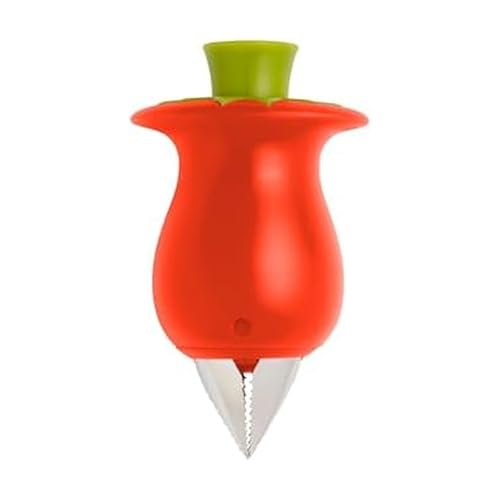
Designed to remove tomato hulls quickly and easily

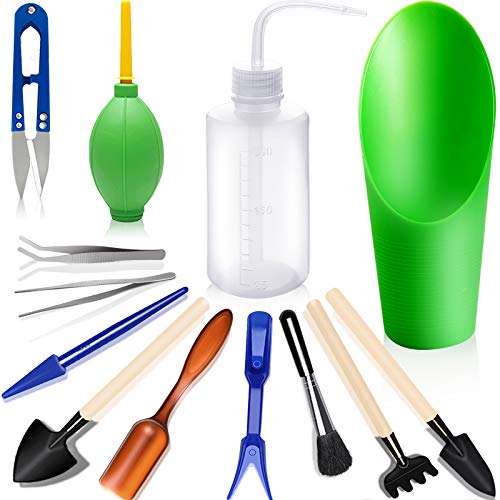
➤ 【 HIGH QUALITY MATERIAL 】Made of wood and iron, wooden handle is convenient for gardening, iron heads provide the shovel rake spade good using sense after using for many times
Watering and Feeding Tomatoes
To keep your tomato plants healthy, you need to provide them with consistent moisture. Water deeply but infrequently to encourage deep root growth. Aim to water the soil around the base of the plant rather than overhead to prevent diseases.
Watering Tips:
- Frequency: Water your tomatoes 1-2 times per week, depending on weather conditions.
- Consistency: Maintain a regular watering schedule to prevent issues like blossom end rot.
- Moisture Levels: Ensure the soil is consistently moist but not waterlogged.
In addition to watering, feeding your tomatoes with the right nutrients is crucial for robust growth and fruit development. Consider using organic fertilizers or compost to provide a balanced mix of nutrients.
Feeding Recommendations:
- Timing: Start fertilizing when the first fruits appear and continue throughout the growing season.
- Fertilizer Type: Use a fertilizer specifically formulated for tomatoes or opt for compost.
- Application Method: Follow package instructions for proper application rates and techniques.
Managing Pests and Diseases
Protecting your tomato plants from pests and diseases is vital to ensure a successful harvest. By implementing preventive measures, you can minimize damage and maintain plant health.
Pest Control Strategies:
- Companion Planting: Grow companion plants like marigolds or basil to deter common pests.
- Handpicking: Regularly inspect your plants for pests like caterpillars or aphids and remove them by hand.
- Organic Sprays: Utilize organic insecticidal soaps or neem oil as natural pest control options.
- Good Air Circulation: Prune overcrowded branches to improve air circulation around the plant.
- Mulching: Apply mulch around the base of tomato plants to reduce soil splashback that can spread diseases.
By following these tips on watering, feeding, pest management, and disease prevention, you’ll be well-equipped to care for your tomato plants effectively throughout their growth cycle.
Harvesting and Storage
When it comes to harvesting tomatoes, timing is crucial to ensure you enjoy the best flavor and quality. Here’s how to know when to harvest your tomatoes:
Knowing When to Harvest
To determine if your tomatoes are ready for harvesting, look for these signs:
- Color: Most tomato varieties change color when ripe. For example, red tomatoes should have a deep, vibrant red hue.
- Texture: Ripe tomatoes are firm but slightly give when gently squeezed.
- Size: Depending on the variety, mature tomatoes reach a specific size. Refer to seed packets or plant tags for guidance.
Harvest your tomatoes by gently twisting them off the vine while supporting the plant. Be careful not to damage the stems or surrounding fruits.
Tips for Storing Tomatoes
Once you’ve harvested your tomatoes, proper storage is essential to maintain their freshness and flavor:
- Room Temperature: Store fully ripe tomatoes at room temperature away from direct sunlight.
- Refrigeration: If your tomatoes are not fully ripe, place them in a paper bag at room temperature until they ripen before refrigerating.
- Avoid Moisture: Keep tomatoes dry during storage as moisture can lead to spoilage.
By following these simple tips on harvesting and storing your homegrown tomatoes, you can savor delicious produce from your garden for longer periods.
Conclusion
You now have all the essential knowledge to grow delicious tomatoes in your own backyard. From selecting the perfect planting time to nurturing your plants and choosing disease-resistant varieties, you’re well-equipped for a successful harvest. Remember to pay attention to harvesting and storing techniques for the best flavor and quality. By following these tips, you’ll soon be enjoying juicy homegrown tomatoes straight from your garden. Happy gardening!
Frequently Asked Questions
When is the best time to plant tomato seeds?
It is recommended to start planting tomato seeds indoors 6-8 weeks before the last frost date in your area for a successful harvest.
Which are some disease-resistant tomato varieties?
Popular disease-resistant tomato varieties include Roma, Beefsteak, and Cherry tomatoes, which are ideal choices for home gardeners.
How can I tell when tomatoes are ripe and ready for harvesting?
Ripe tomatoes will have vibrant color, firm texture, and easily detach from the vine with a gentle twist.
What are the best storage methods for harvested tomatoes?
Store harvested tomatoes at room temperature away from direct sunlight and moisture to maintain optimal flavor and quality.
