

Ever wondered when your romaine lettuce is truly ready for harvest? You’re not alone! Many gardeners face this common dilemma, unsure of the perfect timing to pick their crisp greens.
Key Takeaways
- Romaine lettuce thrives best in temperatures between 60°F and 70°F; extreme heat can cause bitterness and bolting.
- Aim for consistent soil moisture, providing about 1 to 1.5 inches of water weekly while avoiding waterlogging.
- Ready-to-harvest romaine will have vibrant green, crisp leaves and should reach a height of 8 to 12 inches with a solid, compact structure.
- Soil quality is crucial; maintain a pH level between 6.0 and 7.0 and ensure the soil is well-drained and enriched with organic matter.
- Full sun for at least 6 to 8 hours daily is ideal for romaine lettuce, with some shade during peak heat to prevent bolting.
- Avoid common mistakes like overwatering and neglecting pest management to ensure healthy growth and a successful harvest.
Factors Influencing Romaine Lettuce Growth
Romaine lettuce growth depends on several key factors that determine when it’s fully matured and ready for harvest. Understanding these can improve your gardening success.
Temperature Requirements
Temperature significantly affects romaine lettuce growth. Ideally, lettuce thrives between 60°F and 70°F. When temperatures exceed 75°F, lettuce may bolt, leading to a bitter taste and tough texture. For best results, choose a growing period with temperate weather. Monitoring daily highs and lows helps ensure optimal growth conditions.
Watering Needs
Watering plays a crucial role in romaine lettuce health. Aim for consistent moisture in the soil without waterlogging. Generally, romaine requires about 1 to 1.5 inches of water per week. Adjust based on weather conditions; dry spells may necessitate more frequent watering. Using mulch can help retain moisture and regulate soil temperature.
Signs That Romaine Lettuce Is Ready for Harvest
Romaine lettuce is usually ready for harvest when it shows several distinct signs of maturity. By paying attention to these indicators, you can ensure your crops are at their peak for flavor and texture.
Recommended Products

Knife for harvesting lettuce, vegetables and fruit

Heirloom Non-GMO Seeds: seed pod kit contains 6 kinds of lettuce seeds, they are Red&Green Leaf Lettuce, Romaine, Butter Head, Bibb Lettuce, Boston Lettuce, Buttercrunch Lettuce. Various kinds of lettuce seeds, each one is rich in nutritional value. 100% Non-GMO, open pollinated

High Germination Rate: Enjoy a plentiful harvest with our Romaine Lettuce seed pod featuring excellent germination. Fresh, reliable seeds sourced from USA ensure quick sprouting and healthy growth.
Leaf Color and Texture
Look for vibrant green leaves, as color is a strong sign of readiness. Leaves should be crisp and firm, signaling optimal taste. If the leaves appear yellow or wilted, it may indicate the plant is stressed or overripe. Additionally, mature romaine should exhibit smooth, yet slightly ribbed, edges that provide a pleasant crunch when harvested.
Plant Height and Size
Romaine lettuce typically reaches a height of about 8 to 12 inches at maturity. Measure your plants; those within this range are often ready for harvest. Check the width, too. Mature heads should feel solid in your hand, with a compact structure. A well-formed head reflects good care and can indicate it’s time to pick.
Ideal Growing Conditions for Romaine Lettuce
Romaine lettuce thrives under specific conditions that allow it to grow healthy and flavorful. Understanding these ideal conditions can significantly improve your gardening success.
Recommended Products
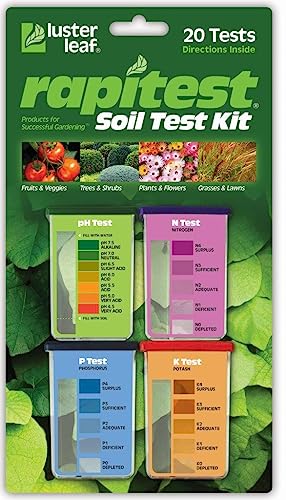
Quick, at home results for Soil pH, Nitrogen, Phosphorous and Potash Innovative and inexpensive soil test kit features an easy-to-use capsule system and patented color comparators

KNOW BEFORE YOU GROW | Grow the healthiest, sustainable lawn and garden with the most accurate and easy to use professional soil test kit on the market

Kindly NOTE: This soil tester can not be applied to test pH value of any other liquid. If the soil is too dry the indicator will not move, and water it before testing.
Soil Quality and pH Levels
Romaine lettuce prefers well-drained, fertile soil. Aim for a soil mix rich in organic matter, such as compost. Soil pH should range from 6.0 to 7.0 for optimal growth. To check pH levels, use a simple soil test kit available at garden stores. If the pH is too low, add lime to raise it; if too high, incorporate sulfur to lower it. Maintaining these levels helps promote nutrient absorption, resulting in robust plant growth.
Sunlight Exposure
Romaine lettuce loves sunlight but needs some protection from intense heat. Ideally, it flourishes in a location with full sun for at least 6 to 8 hours daily. During hotter months, providing partial shade during peak afternoon hours can prevent plants from bolting. Using row covers or shade cloths helps shield your lettuce while still letting in warmth and light, creating a balanced environment for growth.
Common Mistakes in Growing Romaine Lettuce
Gardening romaine lettuce comes with its challenges. Avoiding common mistakes can enhance your success.
Overwatering Issues
Overwatering is a frequent mistake. Too much moisture can lead to root rot, weakening your plants. Monitor soil moisture by sticking your finger into the soil about an inch deep. If it’s dry, it’s time to water. Aim for 1 to 1.5 inches of water per week, adjusting for rainfall. Use mulch to retain moisture while preventing overwatering.
Pest Management
Pest management is crucial for healthy growth. Aphids and slugs often target romaine lettuce. Inspect your plants weekly for signs of these pests. If you notice aphids, spray them off with water or use an insecticidal soap. For slugs, consider setting up traps using beer in shallow containers. Always practice crop rotation to minimize pest buildup, and maintain a clean garden area to deter them from returning.
Conclusion
Growing romaine lettuce can be a rewarding experience when you know when to harvest. By paying attention to the signs of maturity and maintaining the right conditions you can enjoy crisp and flavorful leaves right from your garden. Remember to monitor the temperature and moisture levels while keeping an eye out for any signs of stress.
With a little care and patience you’ll soon be reaping the benefits of your hard work. So get ready to enjoy fresh romaine in your salads and sandwiches. Happy gardening!
Frequently Asked Questions
When is the best time to harvest romaine lettuce?
Harvest romaine lettuce when the leaves are vibrant green, crisp, and firm, typically when the plant reaches a height of 8 to 12 inches. This usually occurs 70 to 85 days after planting, depending on the variety and growing conditions.
What temperature is ideal for growing romaine lettuce?
Romaine lettuce thrives best between 60°F and 70°F. Temperatures above 75°F can cause the plant to bolt, resulting in a bitter taste and tough leaves.
How much water does romaine lettuce need?
Romaine lettuce requires about 1 to 1.5 inches of water per week. Adjust your watering based on weather conditions to ensure consistent moisture without overwatering.
What soil conditions are best for romaine lettuce?
Romaine prefers well-drained, fertile soil with a pH level between 6.0 and 7.0. You can adjust soil pH by adding lime to raise it or sulfur to lower it.
What are the signs that romaine lettuce is overripe?
Signs of overripeness include yellow or wilted leaves, which may indicate stress. The lettuce should feel solid and compact; if it becomes loose or floppy, it’s likely overripened.
How can I prevent pests in my romaine lettuce garden?
Regularly inspect your plants for pests like aphids and slugs. Use water sprays for aphids, insecticidal soap, and traps for slugs. Practicing crop rotation can also help minimize pest issues.
Is mulching beneficial for romaine lettuce?
Yes, using mulch helps retain soil moisture and regulate temperature. This creates a better environment for growth and helps prevent weeds from competing for resources.
