

Are you struggling to keep your garden lettuce crisp and healthy? You’re not alone! Many gardeners find it tricky to figure out just how much water their leafy greens really need. Too little water can lead to wilting, while too much can cause root rot.
Key Takeaways
- Watering Frequency Depends on Factors: Adjust your lettuce watering schedule based on soil type, climate, growth stage, and the use of mulch to ensure optimal plant health.
- Different Varieties Have Unique Needs: Butterhead, Romaine, and Leaf lettuce differ in their watering requirements; understanding these differences is crucial for growth.
- Seasonal Adjustments Are Key: Watering strategies should change with the seasons, with more frequent watering in hot summer months and less in cooler fall.
- Soil Type Influences Watering: Sandy soils require more frequent watering (every 1-2 days), while clay soils need less frequent hydration (every 5-7 days).
- Best Practices for Efficient Watering: Techniques like deep soaking, drip irrigation, and applying mulch can significantly improve water retention and plant health.
- Recognize Signs of Water Stress: Monitor your lettuce for symptoms of overwatering (wilting leaves, yellowing foliage) or underwatering (dry, crispy leaves) to adjust your watering routine effectively.
Understanding Lettuce Watering Needs
Lettuce requires careful attention to watering to thrive. The right balance prevents wilting and root rot, ensuring a healthy garden.
Recommended Products

Accurate Soil Moisture Detection: The XLUX Soil Moisture Meter can tell you if the soil deep inside your pot or garden is dry, moist or wet; whereas your eyes and fingers can only determine the moisture level of the soil surface. The probe is 5.5 inches (14 cm) longer than regular styles, allowing it to measure the soil moisture at the bottom of larger and deeper flower pots.

【SAVE YOUR PLANTS】: Over watering can cause problems with your plants or even kill them. This soil moisture meter helps you know the soil is dry, moist or wet.No more over watering!
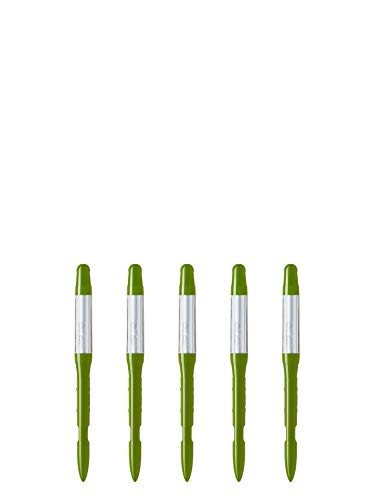
Dimensions: 0.4 x 0.3 x 4.7 inches (small) - Intended for pot sizes of 2, 2.5, and 3 - Ideal for small succulents
Factors Influencing Watering Frequency
Watering frequency depends on several factors, including:
- Soil Type: Sandy soils drain quickly, needing more frequent watering. Clay soils retain moisture longer, so less frequent watering suffices.
- Climate: Hot, dry conditions increase water needs. Cooler, humid environments require less water.
- Growth Stage: Young lettuce plants need consistent moisture. Mature plants can tolerate brief dry spells.
- Mulching: Using mulch retains soil moisture and reduces watering frequency. Organic materials like straw or wood chips work well.
Different Lettuce Varieties
Different varieties of lettuce have unique watering needs. For instance:
- Butterhead Lettuce: Prefers consistent moisture and requires frequent watering, especially in warmer weather.
- Romaine Lettuce: Can tolerate slightly drier conditions once established but still thrives with regular watering.
- Leaf Lettuce: Grows best with even soil moisture. Water regularly to promote healthy leaf growth.
Adjust your watering strategy based on these factors for optimal lettuce growth.
Seasonal Considerations
Understanding the seasonal needs of lettuce helps maintain its health and growth. Watering requirements change throughout the year. Here’s how to adapt your approach in different seasons.
Spring Watering Guidelines
In spring, as temperatures rise, you should water lettuce regularly. Newly planted seeds and seedlings benefit from consistent moisture to establish strong roots. Aim for about 1 inch of water per week, or more if the soil dries out quickly. Monitor the soil; it should feel moist but not soggy. Use a moisture meter to check if you’re unsure.
Summer Watering Strategies
Summer brings heat, increasing water demands. Water lettuce more frequently, ideally every 2 to 3 days. Focus on early morning or late evening to reduce evaporation. If temperatures soar above 85°F, consider daily watering. Mulch around the plants can help retain moisture and keep roots cool. Be mindful of signs of stress, like wilting leaves, which indicate immediate watering needs.
Fall Watering Tips
As temperatures drop in fall, adjust your watering schedule again. Lettuce requires less water as growth slows down. Water deeply once a week, ensuring the soil remains moist but not waterlogged. Frost can affect moisture levels, so check the soil regularly. Cover your lettuce with floating row covers on particularly cold nights if needed, as it can help maintain soil moisture and protect your plants.
Soil Types and Water Retention
Different soil types affect how often you water lettuce. Understanding these variations helps optimize your watering strategy.
Recommended Products
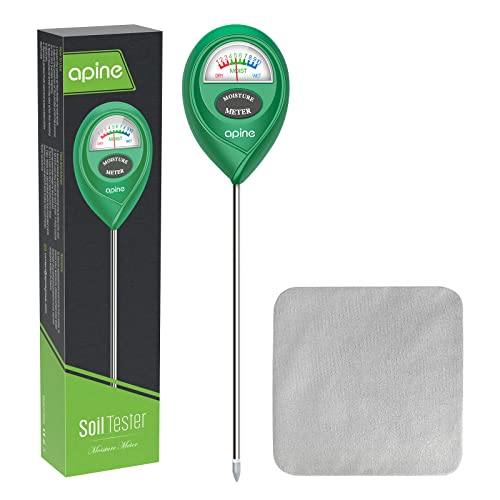
Quick Measurement:Just insert the probe of the plant water meter into the soil about two to four inches,wait a few seconds,you can get the soil moisture immediately.The color division of the dial is simple and clear,and the elderly can easily use it

Kindly NOTE: This soil tester can not be applied to test pH value of any other liquid. If the soil is too dry the indicator will not move, and water it before testing.

Soil Moisture Meter: This single probe soil moisture meter is specially designed for testing the moisture level in the soil, helps you decide whether the plants need water or not, helps to keep plants alive.
Sandy Soils
Sandy soils drain quickly. This rapid drainage means you need to water lettuce more frequently, often every 1 to 2 days. Look for signs of moisture stress, like wilting leaves. To help retain moisture, consider adding organic matter, like compost, to improve water retention.
Clay Soils
Clay soils hold water effectively but drain poorly. Because of this, less frequent watering suffices—typically every 5 to 7 days. Monitor for signs of overwatering, like yellowing leaves, since excessive moisture can lead to root rot. Employing raised beds or aerating soil can enhance drainage in clay environments.
Loamy Soils
Loamy soils strike a balance between sand and clay. They retain moisture well while allowing for proper drainage. In loamy soil, watering once every 3 to 4 days usually keeps lettuce healthy. Regular monitoring is still essential, as varying weather conditions may require adjustments to this schedule. Adding mulch can further optimize moisture retention and reduce evaporation.
Best Practices for Watering Lettuce
Watering lettuce properly ensures healthy growth and a bountiful harvest. You can follow some best practices to achieve this balance efficiently.
Recommended Products

【Upgraded Tube Design & Water Saving】 Our garden watering system is upgraded to 1/2” diameter to support high water pressure. The 1/2” tee connector allows seamless splitting into 2 independent zones for customized watering schedules. By delivering moisture directly to root zones, this drip Irrigation system significantly reduces evaporation and runoff—saving more water compared to conventional sprinklers while eliminating the need for manual watering.

【Upgraded Tube Design & Water Saving】 Our adjustable garden watering system is upgraded to 1/2” diameter to support high water pressure. The 1/2” tee connector in the package so you can easily set up 2 drip irrigation systems as needed. Garden watering systems minimize stage water loss by recharging water directly to plant roots. While traditional irrigation often results in wasted water, this drip irrigation system saves up to 70% of water, no need for manual watering, saves water.

NO MORE HARD INSTALLATION - SET UP IN MINUTES. Tired of struggling with stiff barbed fittings? This drip irrigation system features quick-connect fittings that let you push, lock, and secure tubing effortlessly. No tools, no leaks, just a smooth setup experience. Enjoy a frustration-free installation and get your garden watering system running in minutes.
Watering Techniques
- Soak the Soil: Water deeply and thoroughly to encourage strong root development. Aim for about 1 inch of water per week, adjusting based on rainfall and soil type.
- Use a Drip Irrigation System: Install a drip irrigation system for an efficient and consistent water supply. This method minimizes water waste and directs moisture straight to the roots.
- Water Early or Late: Water in the early morning or late evening to reduce evaporation. This timing allows the plants to absorb moisture effectively before the heat of the day.
- Mulch the Soil: Apply organic mulch around the plants. This conserves soil moisture and prevents weed growth, reducing the need for frequent watering.
- Signs of Overwatering: Look for wilting leaves, yellowing foliage, or a mushy texture. Excess water can suffocate roots, leading to root rot. If puddles form at the base of the plant, reduce your watering frequency.
- Signs of Underwatering: Keep an eye out for dry, crispy leaves or plants that appear to droop. Soil that pulls away from the edges of the container may signal inadequate moisture. If you notice these signs, increase your watering frequency.
By applying these best practices, you can effectively manage your lettuce watering routine, ensuring healthy plants and a thriving garden.
Conclusion
Getting the watering right for your lettuce can make all the difference in your garden’s success. By paying attention to factors like soil type and climate you can tailor your watering routine to meet your plants’ needs.
Remember to adjust your approach as the seasons change and keep an eye on the moisture levels in your soil. With a little care and observation you’ll be on your way to enjoying a healthy and bountiful lettuce harvest. Happy gardening!
Frequently Asked Questions
How much water does lettuce need to grow well?
Lettuce requires about 1 inch of water per week. This amount may vary depending on soil type, climate, and plant growth stage. Consistent moisture is crucial for young plants, while mature varieties can tolerate brief dry periods.
What factors affect the watering frequency for lettuce?
Watering frequency for lettuce is influenced by soil type (sandy, clay, loamy), weather conditions (hot, dry or cool, humid), plant growth stage, and the use of mulch. Adjustments should be made based on these factors to maintain optimal moisture.
How can soil type affect watering needs for lettuce?
Different soil types drain moisture at varying rates. Sandy soils require watering every 1-2 days, while clay soils need it every 5-7 days. Loamy soils typically need watering every 3-4 days. Understanding your soil type helps manage watering effectively.
Should I mulch my lettuce garden?
Yes, using organic mulch helps retain soil moisture and prevents weeds. It reduces the frequency of watering and promotes healthier lettuce growth by maintaining consistent soil moisture levels.
When should I water my lettuce?
Water lettuce early in the morning or late in the evening to minimize evaporation. During hot summer months, aim for every 2-3 days, while in cooler months, watering once a week is sufficient.
How can I tell if my lettuce is underwatered or overwatered?
Signs of underwatering include dry, crispy leaves, while overwatered plants may show wilting leaves and yellowing foliage. Monitoring moisture levels and adjusting your watering routine is essential for healthy lettuce.
What are the best practices for watering lettuce?
Deeply soak the soil to encourage strong root growth, use a drip irrigation system for efficiency, and apply organic mulch to retain moisture. Regular soil moisture monitoring is also vital to prevent both overwatering and underwatering.
