

Have you ever stared at your flourishing lettuce patch and wondered when it’s time to pick those crisp leaves? You’re not alone! Many home gardeners face the same question, eager to enjoy the fruits of their labor.
Key Takeaways
- Understand Growth Stages: Recognize the seedling and mature stages of lettuce to determine the perfect harvesting time. Look for outer leaves that are 4 to 6 inches long in the mature stage.
- Timing is Key: Pay attention to the variety of lettuce and environmental factors like weather and soil quality, as they greatly influence growth rates and flavor.
- Harvesting Techniques: Choose between hand harvesting for smaller crops or using tools like garden scissors and harvest knives for larger patches to ensure minimal damage to the plant.
- Post-Harvest Care: Clean and dry lettuce immediately after harvesting, storing it in breathable containers in the refrigerator’s crisper drawer to maintain quality.
- Maintain Freshness: Regularly check stored lettuce for signs of spoilage and consume within 5 to 7 days for optimal taste and texture.
Understanding Lettuce Growth Stages
Understanding the growth stages of lettuce is essential for timing your harvest. Each stage offers insights into when your leaves are ready for picking.
Seedling Stage
During the seedling stage, lettuce begins its journey from seed to plant. Typically, this stage lasts 1 to 2 weeks after planting. You’ll observe small, tender leaves emerging from the soil. These leaves are often referred to as cotyledons. Ensure your seedlings receive adequate light and water, as this promotes strong growth. When seedlings grow 2 to 3 inches tall, they can be thinned or transplanted to larger spaces.
Mature Stage
In the mature stage, lettuce plants reach their full size. This stage typically occurs 6 to 8 weeks after sowing, depending on the variety. Leaves become larger, crispier, and more flavorful. Monitor the outer leaves; they signal readiness for harvest when they’re 4 to 6 inches long. For best taste, harvest in the morning when temperatures are cooler. Cut leaves at the base with scissors or a knife to encourage regrowth. Remember, it’s fine to take only the outer leaves, allowing the central growth to continue.
Best Time to Harvest Lettuce
Timing your lettuce harvest can significantly affect taste and texture. Understanding the factors that influence this timing will help you enjoy your homegrown lettuce at its best.
Factors Influencing Harvest Time
- Variety of Lettuce: Different types of lettuce, such as romaine or butterhead, mature at varying rates. Check seed packets for specific growth timelines.
- Weather Conditions: Cool temperatures encourage slower growth, while warm conditions speed it up. Monitor temperature trends to adjust your harvest plans.
- Soil Quality: Nutritional soil boosts lettuce growth. Ensure your soil is rich in organic matter and regularly tested for nutrients.
- Watering Schedule: Consistent watering promotes healthy growth. Lettuce prefers moist soil; overly dry or waterlogged conditions can affect leaf quality.
- Leaf Size: Look for outer leaves measuring about 4 to 6 inches long. This size indicates they are ready for picking.
- Leaf Texture: Feel leaves for crispness. If they’re firm and crispy, they’re ripe. Soft or wilted leaves suggest they’re past their prime.
- Color: Vibrant color indicates freshness. Watch for dull or yellowing leaves, which suggest age.
- Flowering: Bolting, the process of flowering, renders leaves bitter. If you notice flower stalks, harvest immediately to avoid loss of flavor.
Techniques for Harvesting Lettuce Leaves
You can effectively harvest lettuce leaves using two primary techniques: hand harvesting and using tools. Each method offers distinct benefits, so you can choose what suits you best.
Recommended Products

K115 Crop Harvest Knife, 7.25-Inch Blade, is designed for trimming lettuce, greens, and soft-stemmed vegetables.
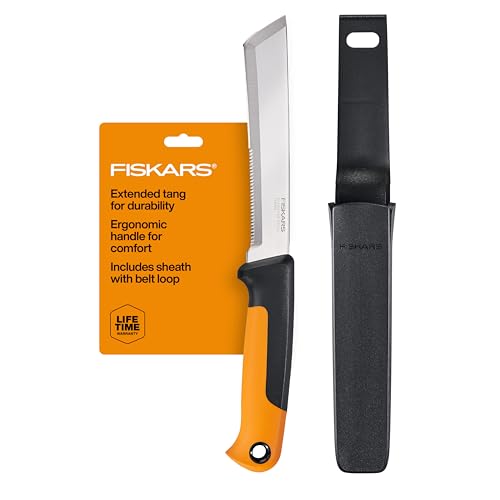
IDEAL FOR HARVESTING: Includes (1) Fiskars Harvesting Knife with hard plastic sheath and belt loop; perfect for thick stalks and stems, ensuring clean and precise cuts with ease in vegetable gardens and orchards; backed by a Lifetime Warranty
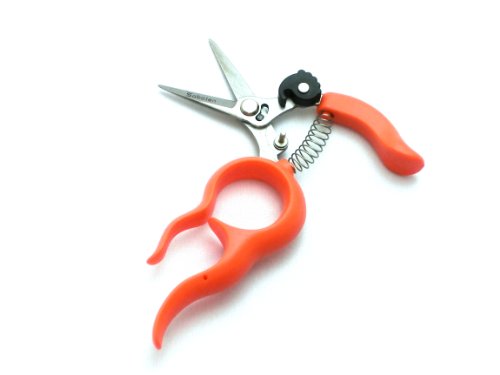
[Caution] Picture shown is 1318S.
Hand Harvesting
Hand harvesting works well for small or medium-sized lettuce crops. For this method, follow these steps:
- Inspect the Leaves: Look for leaves that measure 4 to 6 inches in length. These are typically at their peak flavor and tenderness.
- Use Clean Hands: Ensure your hands are clean to prevent contamination. This keeps your lettuce fresh.
- Gently Pull Leaves: Grasp the outer leaves near the base and twist gently. Avoid tugging too hard; this can damage the plant.
- Leave the Center Intact: Always leave the central growth untouched. This encourages further leaf production, allowing for multiple harvests.
Hand harvesting provides a personal touch to your gardening experience. It allows you to assess the quality of your crops up close.
Using Tools
Using tools can expedite the harvesting process, especially for larger gardens. Here are tools that can make your job easier:
- Garden Scissors: Use sharp scissors to snip leaves at the base. This method minimizes damage to the remaining plant.
- Harvest Knife: A specially designed harvest knife offers precision. Ensure the blade is sharp for clean cuts.
- Harvest Basket: A sturdy basket keeps your harvested leaves safe during transport. It also helps reduce bruising.
When using tools, remember to clean them before and after use. This prevents passing diseases from one plant to another.
Post-Harvest Handling
After harvesting lettuce, proper handling ensures the best quality and flavor. Implementing effective cleaning and storing methods keeps your fresh produce in excellent condition.
Recommended Products

One-Touch OXO Salad Spinner: Did you know that OXO invented the one-touch salad spinner? Its one-handed pump gives you maximum drying of lettuce with minimum effort

Maximum drying power: One-handed pump spins lettuce, herbs or fruit fast with minimal effort. Dry greens quickly with no plugs or cords needed.

ONE-TOUCH, ONE-HANDED SPINNING POWER: Effortlessly wash and dry lettuce, herbs, berries, and produce with a simple press. The easy one-touch pump delivers powerful spinning with minimal effort, while the brake button stops the basket instantly for swift, controlled drying—no cords, no electricity, just smart kitchen gadgets that work.
Cleaning and Storing
Clean lettuce leaves immediately after harvest. Rinse them gently under cool running water to remove dirt and debris. Inspect each leaf for bruises or signs of damage. Discard any that appear damaged to maintain quality. After rinsing, dry the leaves using a salad spinner or by patting them with a clean kitchen towel.
Store cleaned lettuce in a breathable container like a produce bag or a perforated plastic bag. Ensure some moisture remains to keep leaves crisp but avoid excessive moisture that can cause spoilage. Place the storage bag in the refrigerator’s crisper drawer, where humidity levels are optimal for vegetables.
Maintaining Freshness
To maintain freshness, use these tips. Check lettuce regularly for signs of wilting or browning. Remove any damaged leaves to prolong shelf life. For added crispness, consider wrapping the leaves in a damp paper towel before placing them in the storage bag.
Use lettuce within 5 to 7 days for the best taste and texture. Plan meals around your harvest to enjoy your fresh produce at its peak.
Conclusion
Harvesting your lettuce can be a rewarding experience that brings fresh flavors to your meals. By monitoring the growth stages and understanding the right time to pick, you can ensure your lettuce is at its peak quality. Whether you choose to hand harvest or use tools, the method you pick can make a difference in maintaining your plants’ health.
Once you’ve gathered those crisp leaves, remember to handle them with care. Proper cleaning and storage are key to enjoying your lettuce for days to come. So go ahead and savor the fruits of your labor, knowing you’ve grown something delicious right in your own garden. Happy harvesting!
Frequently Asked Questions
When is the best time to harvest lettuce?
The best time to harvest lettuce varies by type, but generally, you should wait for 4 to 6-inch leaves to develop, about 6 to 8 weeks after sowing. It’s ideal to harvest in the morning when the leaves are crisp and flavorful.
How can I tell if my lettuce is ready to harvest?
Check the outer leaves for size, texture, and color. Leaves should be firm and vibrant. Watch for signs of bolting, where plants produce flowers; this can indicate bitterness.
What are the two main methods for harvesting lettuce?
You can harvest lettuce by hand or with tools. Hand harvesting involves gently pulling outer leaves, while tools like garden scissors can speed up the process while minimizing plant damage.
How should I clean harvested lettuce?
Rinse the leaves gently under cool running water to remove dirt and debris. Inspect for bruises and discard any damaged leaves.
What is the best way to store harvested lettuce?
After cleaning, dry the lettuce and store it in a breathable container like a produce bag. Place it in the refrigerator’s crisper drawer for optimal freshness.
How long will my harvested lettuce stay fresh?
Harvested lettuce is best used within 5 to 7 days for optimal taste and texture. Regularly check for wilting or browning to maintain quality.
