

Wondering when the best time is to plant tomatoes in your garden? Picture this: you’re eager to start your tomato garden, but unsure about the ideal timing. In this article, you’ll discover the key factors that determine the perfect moment to plant those juicy, red gems.
By exploring the optimal planting window for tomatoes, you’ll gain insights into maximizing growth and yield. You’ll learn how factors like temperature, soil conditions, and local climate play a crucial role in ensuring a bountiful harvest of delicious tomatoes. Ready to elevate your gardening game and cultivate thriving tomato plants? Let’s dive into the best practices for planting tomatoes at just the right time.
Key Takeaways
- Plant tomatoes after the last frost date for optimal growth in warm soil temperatures.
- Consider regional climate differences when deciding the best time to plant tomatoes.
- Prepare your garden with well-draining soil, adequate sunlight, and proper watering for successful tomato cultivation.
- Follow best practices like timing planting correctly, spacing plants adequately, mulching, providing support structures, pruning, and fertilizing for better yields.
- Avoid common mistakes such as neglecting soil preparation, planting too early, overcrowding plants, forgetting to mulch, and ignoring pruning needs to ensure a successful growing season.
Understanding Tomato Planting Seasons
When considering the best time to plant tomatoes, understanding the tomato planting seasons is crucial. Factors like climate considerations and regional differences play a significant role in determining when to start your tomato garden.
Climate Considerations
In most regions, it’s ideal to plant tomatoes after the last frost date has passed. Tomatoes thrive in warm soil temperatures between 70-80°F (21-27°C). If you plant them too early when the soil is still cold, they may not grow well or could even die. Ensure that the risk of frost has passed before transplanting your tomato seedlings into the ground.
Regional Differences
Different regions have varying climates that affect the best time to plant tomatoes. For example, in warmer climates with longer growing seasons, you can start planting earlier than in colder regions with shorter summers. Understanding your local climate and frost dates will help you determine the optimal time for planting tomatoes in your area. Be sure to check with local gardening resources or agricultural extension offices for specific recommendations tailored to your region.
Preparing Your Garden for Tomatoes
To ensure a successful tomato harvest, it’s crucial to prepare your garden properly. Here are some essential steps to get your garden ready for planting tomatoes:
Recommended Products

Quick, at home results for Soil pH, Nitrogen, Phosphorous and Potash Innovative and inexpensive soil test kit features an easy-to-use capsule system and patented color comparators

Accurate Soil pH Testing: Dewildetradingco Soil pH Test Strips offer measurements of soil pH levels (pH 3.5-9). As an essential tool for every gardener and grower, these test strips help determine the optimal pH for various plants, such as outdoor plants, indoor plants, gardens, grass lawns, fruit trees, flowers, vegetables, and forest shrubs.

Kindly NOTE: This soil tester can not be applied to test pH value of any other liquid. If the soil is too dry the indicator will not move, and water it before testing.
Choosing the Right Soil
Selecting the right soil is key to growing healthy tomatoes. Aim for well-draining soil rich in organic matter. A loamy soil texture is ideal as it retains moisture while allowing excess water to drain away. Consider conducting a soil test to check pH levels and nutrient content, ensuring an optimal environment for your tomato plants.
Sunlight and Water Requirements
Tomatoes thrive in full sunlight, so choose a spot in your garden that receives at least 6-8 hours of direct sunlight daily. Adequate sunlight helps with fruit development and overall plant growth. Additionally, establish a consistent watering schedule for your tomatoes. Keep the soil evenly moist but not waterlogged to prevent issues like blossom end rot.
By preparing your garden with the right soil conditions and meeting sunlight and water requirements, you set the stage for bountiful tomato plants that will reward you with delicious homegrown produce.
Best Practices for Planting Tomatoes
When it comes to planting tomatoes, following the best practices can make a significant difference in the health and yield of your plants. Here are some essential guidelines to ensure successful tomato cultivation:
Recommended Products

1. Package Include:You will get 12 pcs plant support stakes, size measure 6.25"W X 9.8"H.Sufficient quantities to meet your needs

- Support & Guide plants : Our garden flower support can hold plants upright and growing normally, guiding their stems to the right position, preventing vines from spreading and protecting the plants from strong winds, heavy rain and snow. create well ordered borders and keep pathways open, add aesthetic appeal.
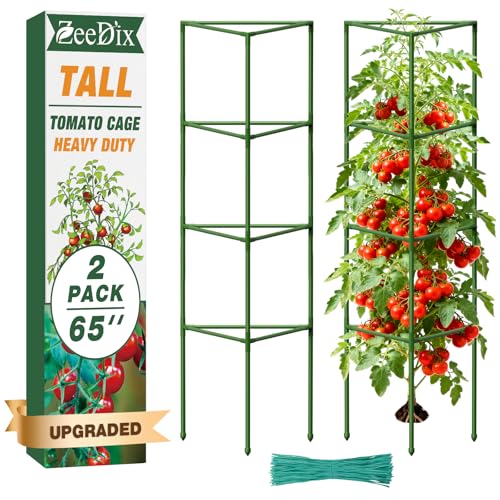
Upgraded package includes : 2 sets of 65" tomato Cage include 42 connecting rods, 6 pointed rods , 6 three-way connector, 18 four-way connector, one bundle of twist ties, and one installation manual.
Timing for Planting
Planting tomatoes at the right time is crucial for their growth and productivity. In most regions, it’s ideal to plant tomatoes after the last frost date when the soil has warmed up sufficiently. This typically falls in late spring or early summer. By waiting until after the danger of frost has passed, you give your tomato plants a better chance at thriving without being damaged by cold temperatures.
Techniques for Better Yields
To boost your tomato yields, consider implementing these techniques:
- Proper Spacing: When planting tomatoes, make sure to space them adequately to allow for proper air circulation between plants. This helps prevent diseases and promotes healthier growth.
- Mulching: Mulching around tomato plants can help retain moisture in the soil, reduce weed growth, and maintain more consistent soil temperatures—benefiting overall plant health.
- Support Systems: Providing support structures like stakes or cages for your tomato plants can prevent them from sprawling on the ground, reducing the risk of fruit rot and making harvesting easier.
- Pruning: Regularly pruning your tomato plants by removing suckers (extra shoots that grow between main stems) can redirect energy towards fruit production and improve airflow within the plant canopy.
- Fertilization: Using balanced fertilizers or compost rich in nutrients can enhance soil fertility, leading to healthier plants and higher yields of flavorful tomatoes.
Common Mistakes to Avoid
When planting tomatoes, there are common mistakes that you should steer clear of to ensure a successful growing season. Here are some pitfalls to avoid:
- Neglecting Soil Preparation: Skipping soil preparation can hinder tomato growth. Ensure the soil is well-draining, rich in organic matter, and has the right pH level (around 6.0-6.8) for optimal nutrient uptake.
- Planting Too Early: Planting tomatoes too early exposes them to potential frost damage. Wait until after the last frost date in your area before planting to protect your young plants from harm.
- Overcrowding Plants: Giving your tomato plants ample space is crucial for healthy growth. Crowding them can lead to poor air circulation, increased disease risk, and competition for nutrients.
- Forgetting Mulching: Mulching helps retain moisture, suppress weeds, and regulate soil temperature. Don’t forget to mulch around your tomato plants but keep it a few inches away from the stem to prevent rot.
- Ignoring Pruning Needs: Proper pruning encourages airflow and sunlight penetration among branches, reducing disease incidence and promoting fruit ripening. Regularly prune suckers and lower leaves as needed.
By avoiding these common mistakes when planting tomatoes, you set yourself up for a bountiful harvest of delicious homegrown tomatoes.
Recommended Products

Package includes 36 pcs tomato cage connectors. Length: 11.8 Inch with 2 Buckles. Specifically crafted for the 7/16" (11mm) plant stakes.

[VARIATY SHAPE & SIZE STRUCTURE]: You can build 6pcs triangular tomato cage up to 48inch high by the set. Snap-on arms design also makes it possible to create in different heights squares, hexagons or garden trellis depending on the size of plants, to fit garden beds, raised beds, or plant pot, perfect for maximizing growing space and help your plant grow vertically
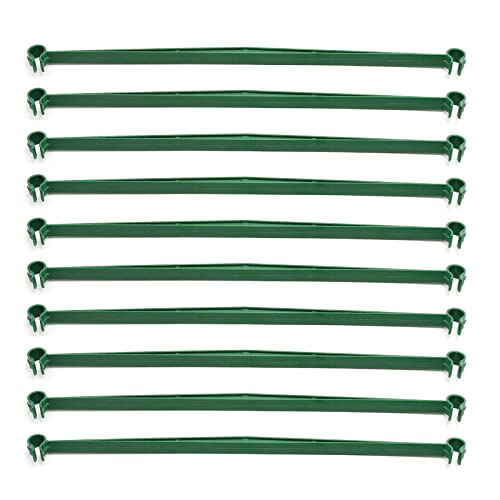
Expandable Stake Arms: Tomato cage connectors support clips are made of sturdy plastic material, strong and lightweight
Conclusion
Now that you’ve learned the key factors for successful tomato planting, remember to time it right, consider your local conditions, and follow best practices like proper spacing and support. Avoid common mistakes such as neglecting soil prep or overcrowding plants to ensure a fruitful harvest. By applying these tips, you’ll set yourself up for a rewarding gardening experience with delicious homegrown tomatoes. Happy planting!
Frequently Asked Questions
When is the best time to plant tomatoes?
Plant tomatoes after the last frost date in your area, when soil temperature reaches at least 60°F for optimal growth.
What spacing is recommended for planting tomatoes?
Space tomato plants about 18-24 inches apart in rows that are 3-4 feet apart to allow room for growth and airflow.
Should I mulch around tomato plants?
Yes, mulch with organic materials like straw or wood chips to retain moisture, suppress weeds, and regulate soil temperature.
Do tomato plants need support systems?
Tomato plants benefit from staking or caging to keep them upright and prevent fruit from touching the ground.
How should I fertilize my tomato plants?
Fertilize with a balanced fertilizer rich in phosphorus before planting and side-dress with compost or organic fertilizer throughout the growing season.
