

Have you ever wondered how to save tomato seeds for your next planting season? Picture this: you’re enjoying a juicy, ripe tomato from your garden, and it hits you – why not harvest the seeds and grow your own batch of delicious tomatoes next year? In this article, we’ll show you a simple yet rewarding way to extract and store tomato seeds effortlessly.
By learning how to get seeds from tomatoes, you’ll not only save money on buying new seeds but also have the satisfaction of nurturing plants from seed to fruit. Imagine having an endless supply of fresh, homegrown tomatoes right at your fingertips without having to rely on store-bought varieties. With just a few easy steps, you can unlock the potential of those tiny seeds hidden within each luscious tomato.
Key Takeaways
- Understanding the anatomy of tomato seeds is essential for preserving plant reproduction potential and selecting the right seed type.
- Select ripe, healthy tomatoes for seed extraction, preferring open-pollinated or heirloom varieties for reliable results.
- Properly clean and ferment tomatoes to extract seeds effectively, separating viable seeds from debris before drying.
- Follow best practices for drying and storing tomato seeds, including removing excess pulp, ensuring proper ventilation, and conducting viability tests.
- Address common challenges like mold prevention and ensuring seed viability through proper storage conditions and periodic checks.
Understanding Tomato Seed Anatomy
Tomato seeds play a vital role in plant reproduction. They contain the genetic information needed to grow into a new tomato plant. When you save and store tomato seeds, you’re preserving the potential for future plants and ensuring a continuous cycle of growth.
Different types of tomato seeds exist based on their characteristics and origins. You can find heirloom, hybrid, or open-pollinated tomato seeds available for planting. Each type has its unique traits and benefits, so it’s essential to choose the right one based on your gardening goals. By understanding these distinctions, you can select the most suitable tomato seeds for your planting needs.
Step-by-Step Guide to Extracting Seeds From Tomatoes
Starting with the right tomatoes is crucial for successful seed extraction. Look for ripe, healthy tomatoes from which to harvest seeds. Avoid using overly ripe or damaged ones as they may not produce viable seeds.
Recommended Products

Versatile Corer Set: Includes 5 different corers (2 small red, 1 large red, 1 stainless steel, 1 stainless steel spiral) for various fruits and vegetables; Perfect for tomatoes, apples, bell peppers, and more; Each tool is designed for easy coring and seed removal
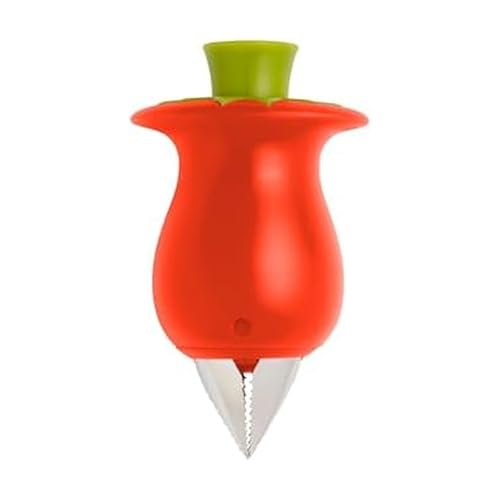
Designed to remove tomato hulls quickly and easily

10 Pack Heirloom Varieties: Includes 10 heirloom tomato seeds in a stunning color mix—red, green, yellow, purple, and black. Ideal for diverse garden lovers and those who enjoy growing colorful, flavorful non-GMO vegetables
Selecting the Right Tomatoes
When selecting tomatoes for seed extraction, opt for open-pollinated or heirloom varieties as they reliably produce seeds that grow into plants similar to the parent plant. Hybrid tomato seeds can also be used but may not retain all the desired traits of the parent plant.
Cleaning and Preparing Tomatoes for Seed Extraction
To prepare tomatoes for seed extraction, begin by washing them thoroughly under running water. Once clean, slice the tomatoes in half horizontally and gently squeeze out the pulp and seeds into a container. Allow this mixture to ferment for a few days to break down the gel sac surrounding the seeds.
Techniques for Separating Seeds From the Pulp
After fermentation, add water to the pulp-seed mixture and stir well. Viable seeds will sink to the bottom while any remaining pulp and immature seeds will float to the top. Skim off debris before straining out excess water, then spread out your extracted tomato seeds on a paper towel to dry completely before storing them in a cool, dry place.
By following these simple steps, you can successfully extract tomato seeds from your homegrown fruits and continue nurturing your garden with sustainable practices.
Drying and Storing Tomato Seeds
When it comes to drying and storing tomato seeds, following best practices ensures successful seed preservation for future planting. Here are some essential guidelines to help you effectively dry and store your tomato seeds.
Recommended Products
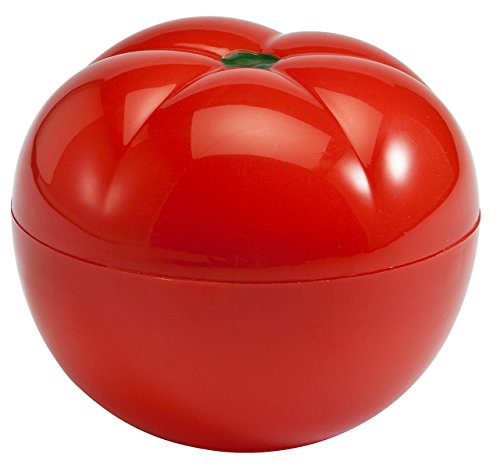
Keeps cut tomatoes fresh longer

Keeps cut tomatoes fresh

【Safe Quality】The tomato saver is made of high quality ABS, non-toxic, BPA free. Keep the cut onions fresh longer
Best Practices for Drying Tomato Seeds
- Remove Excess Pulp: After fermenting the tomato pulp and seeds, make sure to remove any excess pulp before drying the seeds. This can be done by rinsing the seeds under running water using a fine mesh strainer.
- Spread Seeds Evenly: To facilitate proper drying, spread the tomato seeds in a single layer on a paper towel or a fine mesh screen. Avoid clumping the seeds together as this may hinder the drying process.
- Choose a Well-Ventilated Area: Place the spread-out tomato seeds in a well-ventilated area away from direct sunlight. Ensure good air circulation to prevent mold formation during the drying process.
- Monitor Regularly: Check on the drying progress of the seeds regularly. Stir or turn them over periodically to promote uniform drying and prevent sticking.
- Perform Seed Viability Test: Before storing the dried tomato seeds, consider conducting a simple viability test by placing a few seeds on a damp paper towel. If they germinate within a few days, it indicates good seed quality.
- Use Airtight Containers: Store dried tomato seeds in sealed envelopes or glass jars with tight-fitting lids to protect them from moisture and humidity, which can reduce seed viability.
- Label Clearly: Properly label each container with the type of tomato seed and date of collection to maintain organization and easily identify different varieties when needed.
- Store in Cool, Dark Place: Optimal storage conditions for tomato seeds include keeping them in a cool, dark place such as a pantry or refrigerator to maintain seed viability over an extended period.
- Avoid Temperature Fluctuations: Prevent temperature fluctuations by storing your seed containers away from areas prone to sudden temperature changes, like near appliances that emit heat.
By following these recommendations for drying and storing your tomato seeds properly, you’ll ensure that you have viable seeds ready for planting whenever you’re prepared to start your next gardening season.
Common Challenges in Seed Extraction
When saving tomato seeds, you may encounter some common challenges that could affect the viability of your seeds. Here are tips to address these challenges effectively:
Recommended Products
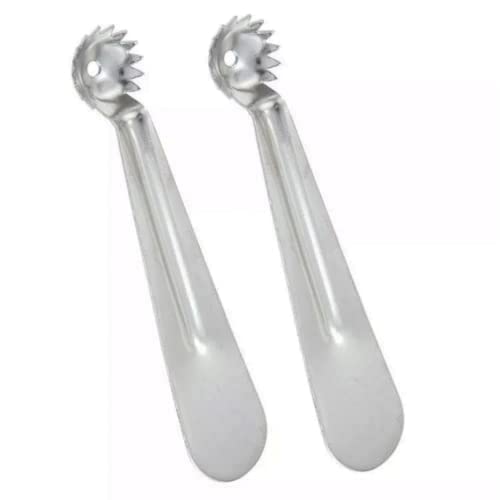
Stainless steel corers - Provide durable and rust-resistant kitchen tools

Jalapeno Pepper Corer:2pcs Jalapeno pepper corer seed remover was designed with serrated and spiral blade, pepper corer tool can remove seeds easily and get a complete shell of pepper, zucchini. And just fill them with sausages, minced meat, or cheese. Vegetable corer tool pepper corer - Boon for pepper lovers.

SIZE: Corer tool measures 8.25" long and 1" wide, the perfect size to core most vegatables
Dealing with Mold and Bacterial Contamination
To prevent mold and bacterial contamination during seed extraction, ensure proper fermentation of the pulp and seeds. Here’s what you can do:
- Use clean tools and containers to avoid introducing contaminants.
- Stir the fermenting mixture daily to discourage mold growth.
- Maintain consistent temperatures for optimal fermentation conditions.
Ensuring Seed Viability for Planting
Ensuring seed viability is crucial for successful germination. Follow these steps to increase the chances of viable seeds:
- Perform a simple germination test before storing seeds long-term.
- Store seeds in a cool, dry place away from direct sunlight.
- Check stored seeds periodically for any signs of damage or deterioration.
By addressing these challenges proactively, you can improve the quality and longevity of your tomato seeds for future planting endeavors.
Conclusion
Now that you’ve learned how to harvest tomato seeds, you’re equipped to enhance your gardening experience. By understanding the intricacies of seed extraction and storage, you can ensure the success of future plantings. Remember to select ripe tomatoes, choose the right seed varieties, and follow proper cleaning and fermenting techniques. Overcoming challenges like mold and bacterial contamination will lead to healthier seeds for optimal germination. Testing seed viability and adopting suitable storage methods are key for preserving seed quality. With these insights, you can cultivate a sustainable garden while enjoying the benefits of growing your own tomatoes from saved seeds. Happy planting!
Frequently Asked Questions
Why is saving tomato seeds important?
Saving tomato seeds allows you to preserve specific traits, reduce costs, and maintain plant diversity for future seasons.
What types of tomatoes are best for seed saving?
Open-pollinated or heirloom tomatoes are ideal for seed saving as they produce stable offspring with consistent characteristics.
How do I extract seeds from tomatoes?
Select ripe, healthy tomatoes. Remove the pulp with seeds, ferment them in water for a few days, then separate and dry the viable seeds.
How can I prevent mold during seed extraction?
Ensure proper ventilation during fermentation, stir the mixture daily, and discard any moldy or discolored seeds promptly.
Why is testing seed viability crucial?
Testing seed viability ensures successful germination rates before planting, helping you avoid disappointments in your garden.
How should I store tomato seeds properly?
Store dried tomato seeds in a cool, dark place with low humidity to maintain their viability for multiple years.
