

Ever wondered about the perfect time to plant tomatoes in California? Picture this: it’s a sunny day, and you’re dreaming of juicy, homegrown tomatoes straight from your garden. But when should you get your hands dirty and start planting those tomato seeds?
Key Takeaways
- Timing plays a crucial role in planting tomatoes in California for a successful harvest.
- Consider regional climate variations when planning to plant tomatoes in different areas of California.
- Choose tomato varieties that suit your region’s climate conditions for optimal growth.
- Prioritize soil preparation by ensuring good drainage, nutrient-rich soil, and balanced fertilization.
- Master the right planting techniques such as proper depth, spacing, and support structures for thriving tomato plants.
- Care for your tomato plants by maintaining adequate moisture levels, mulching, and managing pests and diseases effectively.
Understanding the Tomato Planting Season in California
Why Timing is Crucial
When it comes to planting tomatoes in California, timing plays a vital role in ensuring a successful harvest. The ideal time to plant your tomato seeds or seedlings can significantly impact the growth and yield of your plants. By understanding the importance of timing, you can optimize your planting schedule for the best results.
Regional Climate Variations
California’s diverse regions exhibit varying climate patterns that influence the optimal time for planting tomatoes. From the cooler coastal areas to the warmer inland valleys, each region has its unique climate considerations. Being aware of these regional variations allows you to tailor your planting schedule to suit the specific conditions of your area.
Preparing to Plant Tomatoes in California
When getting ready to plant tomatoes in California, there are key factors you need to consider for a successful harvest. Here’s how you can prepare effectively:
Recommended Products

Burpee Organic All Purpose Granular Plant Food is formulated for long-lasting results

Quick, at home results for Soil pH, Nitrogen, Phosphorous and Potash Innovative and inexpensive soil test kit features an easy-to-use capsule system and patented color comparators

For more nutritious and tasty vegetables
Choosing the Right Tomato Varieties
Selecting the appropriate tomato varieties is crucial for thriving plants in California’s diverse climates. Opt for varieties that suit your region’s specific conditions, such as heat-tolerant types for warmer areas like Southern California and early-maturing varieties for regions with shorter growing seasons like coastal areas.
Soil Preparation and Fertilization Tips
Prioritize soil preparation by ensuring it’s well-draining and rich in organic matter. Conduct a soil test to determine nutrient levels and pH balance, allowing you to amend the soil accordingly. Incorporate compost or aged manure before planting to boost soil fertility. When fertilizing, opt for a balanced fertilizer with equal parts nitrogen, phosphorus, and potassium to support healthy tomato growth throughout the season.
The Best Planting Techniques for Tomatoes
When it comes to planting tomatoes in California, mastering the right techniques is key to a successful harvest. Here are some essential tips to ensure your tomato plants thrive in Californian soil and climate.
Recommended Products

Package includes 36 pcs tomato cage connectors. Length: 11.8 Inch with 2 Buckles. Specifically crafted for the 7/16" (11mm) plant stakes.
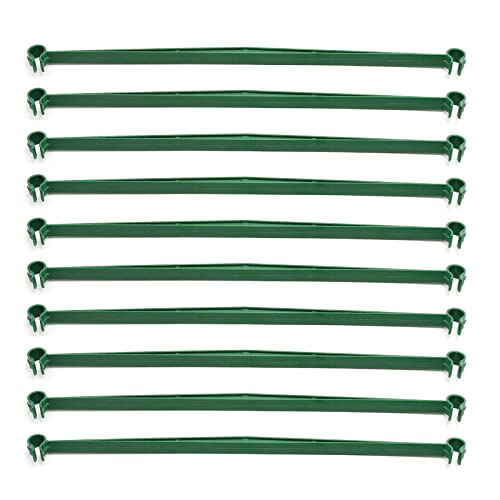
Expandable Stake Arms: Tomato cage connectors support clips are made of sturdy plastic material, strong and lightweight

- Support & Guide plants : Our garden flower support can hold plants upright and growing normally, guiding their stems to the right position, preventing vines from spreading and protecting the plants from strong winds, heavy rain and snow. create well ordered borders and keep pathways open, add aesthetic appeal.
Direct Sowing vs. Transplants
When deciding how to start your tomato plants, you have two main options: direct sowing seeds or using transplants. Direct sowing involves planting seeds directly into the ground where they’ll grow, while transplants are seedlings that have been started indoors and later moved outside.
For California’s diverse climates, direct sowing can be tricky due to temperature variations across the state. Transplants offer more control over early growth stages and can help you better manage unpredictable weather patterns, giving your tomatoes a head start.
- Timing: In California, aim to plant tomato seedlings after the last frost date has passed. This ensures they won’t be damaged by unexpected cold snaps.
- Soil Preparation: Prioritize well-draining soil enriched with organic matter like compost or aged manure. Test your soil’s pH levels and amend as needed for optimal nutrient availability.
- Planting Depth: When transplanting seedlings, bury them deep enough so that only the top few leaves are above ground. This encourages strong root development.
- Spacing: Allow sufficient space between plants (typically 18-24 inches apart) to promote air circulation and reduce disease risks.
- Support Structures: Install stakes or cages at planting time to support growing tomato vines and prevent fruit from touching the ground.
Caring for Your Tomato Plants
After planting your tomato seedlings, it’s essential to care for them properly to ensure a bountiful harvest. Here are some crucial practices to follow:
Recommended Products

1. Package Include:You will get 12 pcs plant support stakes, size measure 6.25"W X 9.8"H.Sufficient quantities to meet your needs

[VARIATY SHAPE & SIZE STRUCTURE]: You can build 6pcs triangular tomato cage up to 48inch high by the set. Snap-on arms design also makes it possible to create in different heights squares, hexagons or garden trellis depending on the size of plants, to fit garden beds, raised beds, or plant pot, perfect for maximizing growing space and help your plant grow vertically

Plant Support Stakes: Set of 6pcs plant supports, 15.8" High x 10"Wide (Please Double Check the Measurement Before Purchasing), ideal peony cages and supports, tomato cage, monstera plant support, hydrangea stakes, also great plant stakes for indoor plants, outdoor plants, flowers, lily, rose, daisy, orchid, and pepper, leafy plants, bushy plants, etc.
Watering and Mulching Practices
Watering: Keep your tomato plants consistently moist but not waterlogged. A good rule of thumb is to provide around 1-1.5 inches of water per week, either through rainfall or irrigation.
Mulching: Mulch helps retain soil moisture, suppresses weeds, and maintains even soil temperature. Apply a layer of organic mulch around the base of the plants, such as straw or shredded leaves.
Managing Pests and Diseases
Pests: Keep an eye out for common tomato pests like aphids, hornworms, and whiteflies. Consider using natural predators or organic sprays to control pest populations without harming beneficial insects.
Diseases: To prevent diseases like early blight or powdery mildew, practice crop rotation each season, provide adequate air circulation by spacing plants properly, and avoid overhead watering that can promote fungal growth.
By incorporating these watering and mulching practices and staying vigilant against pests and diseases, you’ll help your tomato plants thrive throughout the growing season.
Conclusion
Now that you’ve learned the ins and outs of planting tomatoes in California, you’re well-equipped to start your own tomato garden. Remember to choose the right varieties, prepare your soil properly, and use balanced fertilizers for optimal growth. By following these guidelines and caring for your plants diligently post-planting, you can ensure a bountiful harvest of delicious tomatoes. Don’t forget the importance of watering correctly, mulching for moisture retention, and keeping pesky pests at bay. With these tips in mind, your tomato plants are sure to flourish throughout the season. Happy gardening!
Frequently Asked Questions
When is the best time to plant tomatoes in California?
The best time to plant tomatoes in California is after the last frost date, typically in late spring.
What are some essential techniques for planting tomatoes?
Essential techniques for planting tomatoes include selecting suitable tomato varieties, preparing the soil with organic matter, and using balanced fertilizers.
Should I use seeds or transplants for planting tomatoes?
It is recommended to use transplants for better climate control and faster growth of tomato plants.
How should I care for tomato plants post-planting?
After planting, care for tomato plants by watering consistently, mulching around the base for moisture retention, and regularly checking for pests and diseases like aphids and powdery mildew.
