

Ever wondered what to do with those leftover tomato plants at the end of the season? You’re not alone. Many gardeners face the dilemma of whether they can compost tomato plants or not. Picture this: Your garden is thriving, but as the season winds down, you’re left with tomato plants that have served their purpose. What’s the next step?
In this article, we’ll explore the practicality and benefits of composting tomato plants. You’ll discover how to turn these remnants into nutrient-rich soil for your next gardening venture. By understanding the process and advantages of composting tomato plants, you’ll not only reduce waste but also enhance the health of your future crops. Let’s dig in and uncover how you can make the most out of your gardening efforts by composting those tomato plants effectively.
Key Takeaways
- Composting tomato plants is beneficial for nutrient recycling, enriching the soil with essential elements like nitrogen, potassium, and phosphorus.
- It helps reduce waste in an eco-friendly manner by transforming plant residues into nutrient-dense compost.
- Be cautious of disease transmission risks when composting tomato plants; only compost healthy plants to avoid spreading diseases.
- Prevent unintended seed germination by using hot composting methods that reach high temperatures to kill off seeds effectively.
- Proper preparation and techniques are crucial for effective decomposition when composting tomato plants. Ensure the pile has a balanced mix of green and brown materials and reaches high temperatures through regular turning and moisture management.
- Alternative uses for tomato plants include using them as green manure to enhance soil fertility or crafting sturdy cages for supporting new growth in your garden, contributing to a more sustainable gardening approach.
Benefits of Composting Tomato Plants
Composting tomato plants offers multiple benefits that can enhance your gardening experience and promote sustainable practices. Let’s explore the advantages of incorporating tomato plants into your compost pile.
Recommended Products

【Heavy-Duty】Outdoor composing bins are made of sturdy PP material, Stable support structure that won't easily shake when flipping compost, which is very durable, suitable for all seasons


Efficient composting: The worm composting bin is ventilated 360 degrees to increase air circulation and ensure smooth heat dissipation. Provides a comfortable environment to increase composting efficiency, it helps worms break down food waste and garden waste more efficiently so your plants and flowers can thrive
Nutrient Recycling
By composting tomato plants, you participate in a valuable process of nutrient recycling. These plants are rich in essential elements like nitrogen, potassium, and phosphorus. When you compost them, these nutrients break down over time, enriching the soil with vital components necessary for healthy plant growth.
Reducing Waste
Composting tomato plants helps reduce waste in an eco-friendly manner. Instead of discarding the plant residues after the season ends, you can transform them into nutrient-dense compost. This not only minimizes landfill contributions but also promotes a circular system where organic matter is repurposed to benefit future plantings.
Potential Problems with Composting Tomato Plants
When composting tomato plants, there are a few potential issues to be aware of. Here’s what you need to consider:
Recommended Products
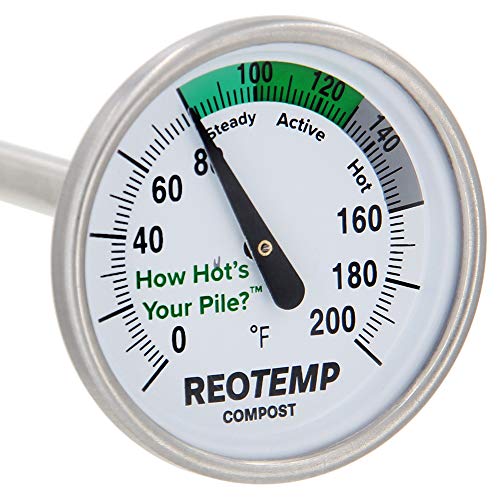
Perfect for the Beginner Composter - Free PDF Digital Compost Guide Included - Expert instructions on how to get started composting and managing your compost pile for the most efficient compost production.
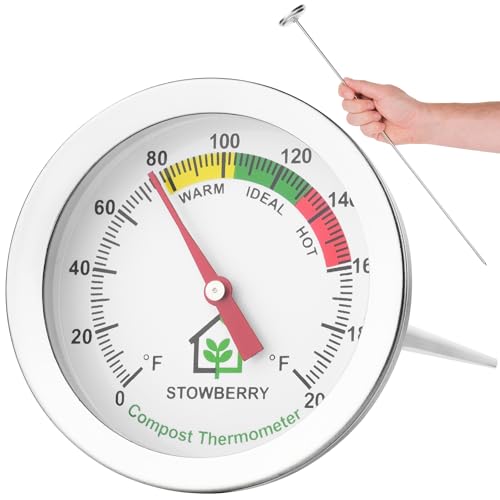
COMPOST THERMOMETER FOR ACCURATE TEMPERATURE MONITORING: Easily track compost temperature levels with this 20 Inch stainless steel probe that reaches deep into piles for precise core readings
Perfect for the Beginner Composter - Free Digital Compost Guide Included - Expert instructions on how to get started composting and managing your compost pile for the most efficient compost production.
Disease Transmission
While composting tomato plants can be beneficial for soil health, it also comes with the risk of disease transmission. If your tomato plants were infected with any diseases during the growing season, composting them could spread these diseases to future plantings. To avoid this, ensure that you only compost healthy tomato plants without any signs of disease.
Seed Germination
Another challenge when composting tomato plants is the potential for seed germination within the compost pile. Tomato seeds are known to survive the decomposition process and can sprout in your compost, leading to unintended tomato plant growth in your garden. To prevent this, consider hot composting methods that reach high temperatures to kill off seeds and pathogens effectively.
By being mindful of these potential problems and taking appropriate precautions, you can successfully incorporate tomato plants into your compost pile while minimizing risks and maximizing the benefits for your garden’s soil health.
How to Compost Tomato Plants Properly
When composting tomato plants, it’s essential to follow proper techniques to ensure effective decomposition and avoid potential issues. Here are some tips on how to compost tomato plants correctly:
Preparing the Plants
Before adding tomato plants to your compost pile, make sure they are free from diseases or pests. Remove any diseased or damaged parts of the plant before composting. It’s crucial to use only healthy tomato plants in your compost to prevent the spread of diseases.
Composting Techniques
To effectively compost tomato plants, consider using hot composting methods. Hot composting involves creating a pile with a balanced mix of green (nitrogen-rich) and brown (carbon-rich) materials. Ensure that the pile reaches high temperatures through regular turning and moisture management. This process helps break down the tomato plants quickly and reduces the chances of seeds germinating in your compost.
By following these steps and being mindful of proper preparation and techniques, you can successfully incorporate tomato plants into your compost pile while minimizing risks and maximizing nutrient recycling for your garden.
Alternative Uses for Tomato Plants
If you’re looking to make the most of your tomato plants beyond composting, here are some alternative ways to repurpose them effectively.
As Green Manure
After harvesting your tomatoes, consider using the plant residues as green manure. Green manure involves growing and then turning under crops to enhance soil fertility. By incorporating tomato plants into the soil, you can improve its structure, increase organic matter content, and boost nutrient levels for future plantings. This eco-friendly practice not only recycles plant material but also enriches the soil naturally.
Crafting Tomato Cages
Another creative use for old tomato plants is crafting sturdy cages for supporting new growth in your garden. Simply trim the branches of the tomato plant and use the main stem as a strong central support for constructing a cage. By repurposing these plants into cages, you provide stability for growing tomatoes or other climbing plants while reducing waste in your garden. It’s a sustainable way to give your new crops the support they need while minimizing environmental impact.
By exploring these alternative uses for tomato plants, you can extend their lifecycle and contribute to a more sustainable gardening approach that benefits both your garden and the environment.
Conclusion
You’ve learned about the benefits of composting tomato plants to enrich your garden soil. While there are considerations like disease transmission and seed sprouting, composting healthy plants using hot methods can help. Additionally, you discovered alternative uses for tomato plants, such as green manure and crafting material for garden structures. By embracing these practices, you’re not only nourishing your garden but also promoting sustainability in your gardening endeavors. Happy composting!
Frequently Asked Questions
Can composting tomato plants benefit my garden?
Composting tomato plants can significantly benefit your garden by creating nutrient-rich soil for future planting, promoting healthy growth, and reducing waste.
What are the potential issues when composting tomato plants?
Potential issues when composting tomato plants include disease transmission and seed germination, which can be mitigated by composting only healthy plants and using hot composting methods.
Are there alternative uses for tomato plants besides composting?
Yes, you can repurpose tomato plants as green manure to enhance soil fertility or use them as crafting material for sturdy cages to support new growth in the garden.
