

Are you staring at your romaine lettuce and wondering when it’s the right time to pick it? You’re not alone! Many home gardeners face this dilemma, unsure of when to harvest their leafy greens for the best flavor and texture.
Key Takeaways
- Understanding Growth Stages: Recognize the key stages of romaine lettuce growth, including seedling and maturity stages, to pick your lettuce at the right time for optimal flavor and texture.
- Signs of Readiness: Look for vibrant green leaves, firmness, and a head size of 6 to 8 inches to determine the perfect time for harvesting romaine lettuce.
- Ideal Harvest Conditions: Harvest lettuce during cool, dry weather, ideally in the morning or late afternoon, to maintain freshness and quality.
- Proper Harvesting Techniques: Use clean garden shears to cut the head near the base, avoid pulling the plant, and handle the lettuce gently to minimize bruising.
- Storage Tips: Store harvested romaine lettuce in a breathable container in the refrigerator, ensuring it’s dry to extend freshness, and consider blanching and freezing for long-term storage.
- Avoid Overripe Signs: Be cautious of yellowing leaves and heads exceeding 10 inches in size, as these indicate overripeness and potential loss of quality.
Understanding Romaine Lettuce Growth Stages
Romaine lettuce grows through distinct stages, each important for determining when to harvest. Understanding these stages helps you pick the right time for optimal flavor and texture.
Seedling Stage
During the seedling stage, new romaine plants emerge from the soil. This phase lasts about 2 to 3 weeks after planting. You’ll notice small, tender leaves develop, vulnerable to overwatering and pests. Ensure seedlings receive plenty of light, ideally 12 to 16 hours daily. Water them gently, keeping the soil moist but not soggy. When seedlings reach 2 to 3 inches tall, you’ll know they’re ready to transition to the next stage.
Maturity Stage
The maturity stage occurs approximately 6 to 8 weeks after you sow seeds, depending on the variety. Plants develop a compact head, with firm, crisp leaves that signal readiness for harvest. Look for a head that’s about 6 to 8 inches tall and displays a vibrant green color. At this point, gently pull or cut the head from the base to minimize any damage. Harvesting at the right moment ensures maximum flavor, so keep an eye on your romaine during this crucial time.
Signs of Readiness to Harvest
Harvesting romaine lettuce at the right time ensures optimal flavor and texture. Look for specific signs to determine when your lettuce is ready.
Leaf Color and Texture
Check the color of the leaves. Vibrant green means your romaine is on the right track. The leaves should feel firm and crisp. Avoid lettuce with yellowing or wilting, as these indicate overripeness or stress. Healthy leaves provide the best taste.
Size of the Head
Measure the size of the head. Aim for a height of 6 to 8 inches. A well-formed head should be compact, with leaves tightly layered. If the head exceeds 10 inches, it may start to bolt, which means it’s transitioning to seed production and losing quality. Harvesting before this stage ensures maximum flavor.
Best Time to Pick Romaine Lettuce
Harvesting romaine lettuce at the right time enhances its flavor and texture. Understanding the ideal conditions makes the process easier and more rewarding.
Recommended Products

Tupperware Lettuce Corer Serrated Knife Like Gadget in Mint Green

Tupperware Green Lettuce Corer Knife
Ideal Weather Conditions
Pick romaine lettuce during cool, dry weather. Harvesting in the morning or late afternoon, when temperatures are lower, helps maintain freshness. Avoid harvesting during hot, sunny days. Heat can cause the leaves to wilt quickly, diminishing quality. Aim for days with temperatures below 75°F for optimal conditions.
Time of Day for Harvesting
It’s best to harvest romaine lettuce in the morning. Morning temperatures keep the leaves crisp and firm. Morning dew also adds moisture, which benefits the greens. If you can’t harvest in the morning, choose late afternoon before temperatures rise too much. Avoid harvesting at night, as cooler temperatures can lead to decreased quality and increased risk of disease.
Tips for Harvesting Romaine Lettuce
Harvesting romaine lettuce requires the right tools and techniques to maximize freshness and quality. Here are some essential tips to guide you through the process.
Recommended Products
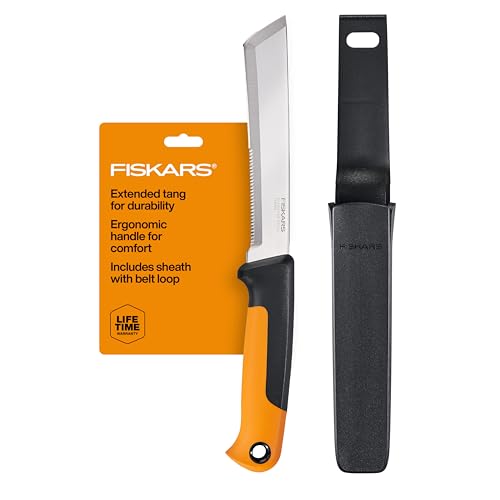
IDEAL FOR HARVESTING: Includes (1) Fiskars Harvesting Knife with hard plastic sheath and belt loop; perfect for thick stalks and stems, ensuring clean and precise cuts with ease in vegetable gardens and orchards; backed by a Lifetime Warranty

30% RECYCLED PLASTIC CONSTRUCTION: Durable tool made from post-consumer recycled plastic, supporting sustainable gardening practices while reducing environmental impact

BUILT TO LAST A LIFETIME WITH FULL STAINLESS STEEL: Crafted from a single piece of high-quality, rust-resistant stainless steel. Unlike tools with weak wooden handles, the Gardmate hand dibber is built for a lifetime of use, bending and wear in all weather conditions.
Tools You Will Need
- Garden Shears: Use sharp, clean shears to make clean cuts, reducing damage to the plant.
- Basket or Container: Carry a basket for collecting your harvested romaine, ensuring airflow to prevent wilting.
- Gloves: Wear gardening gloves to protect your hands, especially if you have sensitive skin.
- Watering Can: Keep water handy if the plants appear wilted before harvest.
- Cut Near the Base: Position the shears 1 to 2 inches above the soil and cut through the stem. This method promotes further growth if the plant is healthy.
- Avoid Pulling: Don’t pull the lettuce from the ground, as this can damage the roots and nearby plants.
- Harvest Selectively: Pick outer leaves first if you’re harvesting selectively, allowing the inner leaves to continue growing for future harvests.
- Check for Damage: Inspect the leaves for pests or diseases before harvesting; discard any damaged leaves immediately.
- Handle Gently: Once cut, handle the romaine carefully to avoid bruising, ensuring the leaves stay crisp and fresh.
Following these tips helps maintain the quality of your romaine lettuce, delivering the best flavor for your salads and dishes.
Storing Fresh Romaine Lettuce
Storing fresh romaine lettuce properly ensures your harvest stays crisp and delicious. Focus on short-term and long-term storage to maximize freshness.
Recommended Products

Keep your produce fresh for longer: The PrepSolutions Lettuce Keeper keeps your produce fresh with an adjustable air vent and water reservoir, creating the ideal environment for fresh fruits and vegetables. Item measures 12.5" W x 7.25" D x 5.25" H and weighs 1.14 lbs.

𝐊𝐞𝐞𝐩𝐬 𝐕𝐞𝐠𝐞𝐭𝐚𝐛𝐥𝐞𝐬 𝐅𝐫𝐞𝐬𝐡 𝐋𝐨𝐧𝐠𝐞𝐫: The Home-X salad keeper for refrigerator is designed to preserve the freshness of lettuce, broccoli, cauliflower, and more. It creates an ideal cold, moist storage environment to help your vegetables stay crisp and fresh for longer periods.
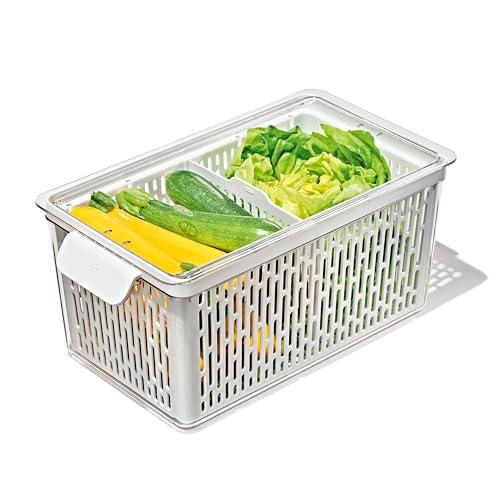
Help Keep Produce Fresh Longer: Fridge-friendly storage helps keep produce fresh longer with an inner basket keeps produce elevated and promotes optimal air circulation to keep things fresh
Short-Term Storage Tips
- Keep It Dry: Remove excess moisture before storage. Damp leaves promote spoilage. Use a clean kitchen towel to gently pat the leaves dry.
- Use a Container: Place romaine in a breathable container, like a produce bag or an open plastic container. Avoid sealing it tightly, as airflow prevents wilting.
- Refrigerate: Store romaine in the fridge. Aim for a temperature between 32°F and 36°F. The crisper drawer is ideal for maintaining humidity without excess moisture.
- Avoid Ethylene Producers: Keep romaine away from fruits like apples and bananas, which emit ethylene gas that can cause lettuce to spoil faster.
- Blanching for Freezing: If you want to store romaine long-term, blanch leaves in boiling water for 2-3 minutes. This process preserves color and texture.
- Cool Quickly: After blanching, immediately plunge lettuce into ice water. This halts the cooking process and helps maintain crispness.
- Dry Thoroughly: Pat the blanched leaves dry with a kitchen towel or salad spinner. Excess moisture during freezing leads to ice crystals and freezer burn.
- Use Airtight Bags: Store dried leaves in freezer-safe, airtight bags. Remove as much air as possible before sealing to prevent freezer burn.
- Label and Date: Always label your storage bags with the date. Use within 6-8 months for the best quality.
Maintaining proper storage practices keeps your romaine lettuce fresh and ready for your favorite salads and dishes.
Conclusion
Picking romaine lettuce at the right time can make all the difference in flavor and texture. By keeping an eye on the growth stages and looking for those vibrant green heads that are 6 to 8 inches tall you can ensure a delicious harvest. Remember to choose cooler times for harvesting to keep your lettuce crisp and fresh.
With a few simple tips and some careful observation you’ll be enjoying the fruits of your labor in no time. Happy gardening and enjoy your tasty salads!
Frequently Asked Questions
When is the best time to harvest romaine lettuce?
Harvest romaine lettuce at the maturity stage, about 6 to 8 weeks after planting, when the heads are 6 to 8 inches tall and vibrant green. Check for firm, crisp leaves and avoid harvesting once heads exceed 10 inches to prevent bolting.
What should I look for to know my lettuce is ready to pick?
Look for vibrant green color, firm texture, and compact growth. The head should be 6 to 8 inches in height. Avoid any yellowing or wilting leaves, as these indicate poor quality.
What is the best weather for harvesting romaine lettuce?
Harvest during cool, dry weather, preferably in the morning or late afternoon. Avoid hot, sunny days, as the heat can cause leaves to wilt quickly, affecting quality.
How should I harvest romaine lettuce to ensure freshness?
Use sharp, clean garden shears to make a clean cut near the base. Avoid pulling the plant out of the ground, and selectively harvest outer leaves to allow for continued growth of inner leaves.
How do I store freshly harvested romaine lettuce?
For short-term storage, keep romaine lettuce dry, place it in a breathable container, and refrigerate at 32°F to 36°F. Avoid ethylene-producing fruits. For long-term storage, blanch, cool, dry, and store in airtight bags for up to 6-8 months.
