

Have you ever wondered if you can grow broccoli and lettuce side by side in your garden? You’re not alone. Many gardeners face the challenge of maximizing their space while ensuring their plants thrive. With limited room in your backyard or balcony, knowing which vegetables can coexist is key to a successful garden.
This article will help you understand the compatibility of broccoli and lettuce. You’ll learn about their growth habits, nutrient needs, and how to create an environment where both can flourish. By the end, you’ll feel confident about planting these two greens together, making the most of your gardening efforts and enjoying fresh produce right from your own home.
Key Takeaways
- Compatibility Benefits: Broccoli and lettuce have complementary growth habits, allowing lettuce to thrive in the shade created by tall broccoli plants while maximizing garden space.
- Shared Nutrient Needs: Both crops prefer well-draining, nutrient-rich soil with a pH between 6.0 and 7.0, making soil preparation essential for successful growth.
- Ideal Growing Conditions: Both vegetables thrive in cooler temperatures (60°F to 70°F) and require at least 6 hours of sunlight daily to prevent bolting and ensure healthy growth.
- Watering Practices: Consistent moisture is crucial; both plants benefit from deep watering once or twice weekly to promote healthy root development.
- Best Practices for Spacing: Maintain proper spacing (broccoli: 18-24 inches apart; lettuce: 6-12 inches apart) to enhance airflow and reduce disease risk.
- Pest Management: Growing these plants together helps deter common pests, benefiting overall garden health and reducing the need for chemical interventions.
Understanding Companion Planting
Companion planting involves growing different plants together for mutual benefits. It maximizes space in your garden, enhances plant health, and increases crop yields while reducing pests naturally.
Benefits of Companion Planting
- Pest Control: Some plants repel harmful insects. For example, marigolds deter aphids that may threaten broccoli and lettuce.
- Soil Health: Certain plants improve soil quality. Legumes, like peas, fix nitrogen in the soil, providing essential nutrients for neighboring crops.
- Improved Growth: Companion plants can enhance each other’s growth. Lettuce thrives in the shade of taller plants, like broccoli, during warmer months.
- Space Optimization: Pairing plants allows for efficient use of garden space. Intercropping helps you grow more in the same area, maximizing your harvest.
- Tomatoes and Basil: Basil enhances tomato flavor and repels pests.
- Carrots and Onions: Onions deter carrot flies while carrots help break up soil for better root growth.
- Cabbage and Beets: Beets aid in nutrient uptake for cabbage while providing shade for soil temperature moderation.
- Squash and Corn: Corn offers support for climbing squash, while squash acts as ground cover to suppress weeds.
By understanding these principles of companion planting, you can create a thriving garden that maximizes both space and productivity.
Growing Conditions for Broccoli
Broccoli thrives in specific growing conditions that ensure healthy plants and abundant harvests. Understanding these factors helps you successfully grow broccoli alongside lettuce.
Recommended Products

Quick, at home results for Soil pH, Nitrogen, Phosphorous and Potash Innovative and inexpensive soil test kit features an easy-to-use capsule system and patented color comparators

Kindly NOTE: This soil tester can not be applied to test pH value of any other liquid. If the soil is too dry the indicator will not move, and water it before testing.

KNOW BEFORE YOU GROW | Grow the healthiest, sustainable lawn and garden with the most accurate and easy to use professional soil test kit on the market
Ideal Soil Conditions
Broccoli prefers well-drained, nutrient-rich soil. Aim for a pH level between 6.0 and 7.0. Incorporating organic matter, such as compost or well-rotted manure, improves soil structure and fertility. To enrich the soil, blend in a balanced fertilizer following the manufacturer’s instructions. This provides essential nutrients like nitrogen, phosphorus, and potassium. Regular soil testing can help you maintain optimum conditions.
Temperature and Light Requirements
Broccoli enjoys cool weather. Ideal temperatures range from 60°F to 70°F during the day; nighttime temperatures should stay above 50°F. Excessive heat can lead to bolting, which makes the plant flower prematurely. For sunlight, broccoli requires full sun, meaning at least 6 hours of direct sunlight daily. If you’re in a warmer climate, consider planting in partially shaded spots during the hottest months. This protects your plants while still providing adequate light for growth.
Growing Conditions for Lettuce
Lettuce thrives under specific conditions that you can easily provide in your garden. Understanding these conditions helps ensure a fruitful harvest.
Ideal Soil Conditions
Lettuce prefers well-draining soil rich in organic matter. Aim for soil that’s loamy and maintains moisture without becoming waterlogged. The ideal pH level ranges from 6.0 to 7.0. To prepare the soil, incorporate compost or well-rotted manure before planting. Mixing in a balanced fertilizer boosts nutrient availability. Regularly check soil moisture, as lettuce needs consistent hydration but doesn’t tolerate standing water.
Temperature and Light Requirements
Lettuce grows best in cooler temperatures. Optimal growth occurs when daytime temps sit between 60°F and 70°F. Higher temperatures may cause lettuce to bolt, leading to bitter leaves. Plant lettuce in early spring or fall for the best results. Ensure it receives at least 6 hours of sunlight daily, but partial shade during the hottest parts of the day can help maintain optimal growth. If you’re in warmer climates, consider varieties suited for heat tolerance to extend your lettuce growing season.
Can Broccoli and Lettuce Grow Together?
Growing broccoli and lettuce side by side can be beneficial, provided you understand their compatibility and shared nutrient needs. Both vegetables thrive in similar conditions, making them suitable companions in your garden.
Recommended Products

USDA Certified Organic by Oregon Tilth
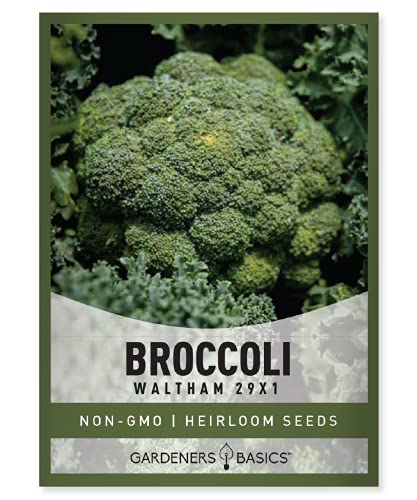
Waltham 29 broccoli: Grow green broccoli heads for steaming, roasting and fresh side dishes. This heirloom variety suits gardeners planning a cool-season vegetable harvest.

HEIRLOOM BROCCOLI VARIETIES – Three traditional broccoli heirlooms (Brassica oleracea var. italica) Calabrese, Waltham 29, and Purple Sprouting Broccoli, plus Romanesco broccoli (Brassica oleracea var. botrytis), and San Marzano Raab (Brassica rapa)
Compatibility Considerations
Broccoli and lettuce have complementary growth patterns. Broccoli grows tall while lettuce remains low to the ground. This verticality allows you to maximize space in your garden. You can plant lettuce in the shade of broccoli, helping it remain cool during hot weather. Ensure that broccoli doesn’t overshadow the lettuce completely, as it still needs adequate sunlight to thrive.
Pest management is another benefit. Both plants may deter similar pests, helping to protect each other naturally. For example, planting them together can reduce common insects like aphids and caterpillars. Spacing your plants correctly promotes airflow, which also minimizes disease risk.
Both broccoli and lettuce benefit from rich, well-draining soil with a pH level between 6.0 and 7.0. Amending your soil with compost before planting supplies essential nutrients and improves moisture retention. A balanced fertilizer can further support their growth.
Watering practices should align, as both crops prefer consistent moisture. Aim for deep watering once or twice a week, ensuring the soil stays moist but not waterlogged. This approach promotes healthy root development for both plants.
Planting lettuce early in the spring alongside broccoli helps utilize garden space effectively. Broccoli takes longer to mature; therefore, growing lettuce first allows you to harvest it before the broccoli becomes dominant.
If you consider these compatibility and nutrient aspects, growing broccoli and lettuce together can lead to a flourishing garden.
Best Practices for Planting Together
Growing broccoli and lettuce together requires attention to specific best practices to maximize their compatibility and productivity.
Spacing and Arrangement
Position broccoli plants about 18 to 24 inches apart, allowing ample space for their broad leaves. Space lettuce plants 6 to 12 inches apart. This arrangement maintains airflow, minimizing disease risk and ensuring that both plants thrive. Plant lettuce in rows situated between broccoli. This vertical layer allows lettuce to benefit from the shade provided by broccoli during warmer months, preventing bolt.
Watering and Maintenance Tips
Water both crops deeply, aiming for 1 to 1.5 inches of moisture weekly. Check soil moisture regularly, ensuring it’s damp but not waterlogged. Apply mulch around the base of the plants to retain soil moisture, suppress weeds, and regulate temperature. Fertilize with an all-purpose organic fertilizer every four to six weeks. Monitor pests regularly, especially aphids and caterpillars, and use natural pest control methods when necessary. Keep an eye on the temperature; if it rises above 75°F, consider providing shade cloth to protect your crops.
By following these best practices, you’ll create a thriving garden space that enhances the growth and taste of both broccoli and lettuce.
Conclusion
Growing broccoli and lettuce together can be a rewarding experience for your garden. Their compatibility not only maximizes your space but also promotes healthier plants. With shared nutrient needs and similar growing conditions they can thrive side by side.
By following the best practices for spacing and care you can enjoy a bountiful harvest. Plus you’ll benefit from natural pest management and the added shade that broccoli provides to lettuce during warmer days. So go ahead and give it a try—you’ll likely find that this dynamic duo makes your gardening journey even more enjoyable. Happy planting!
Frequently Asked Questions
Can broccoli and lettuce be grown together?
Yes, broccoli and lettuce can be grown together. They share similar growing conditions like nutrient requirements and thrive in well-drained, nutrient-rich soil. Broccoli’s height offers shade to lettuce during warmer months, promoting optimal growth for both.
What are the benefits of companion planting?
Companion planting involves growing different plants together for mutual benefits, such as pest control, enhanced soil health, and better growth. This practice can help repel harmful insects and improve soil quality, maximizing garden space.
What soil conditions do broccoli and lettuce prefer?
Both broccoli and lettuce thrive in well-draining, loamy soil with a pH level between 6.0 and 7.0. Incorporating organic matter and balanced fertilizers helps enhance soil fertility for optimal growth of these vegetables.
What temperature do broccoli and lettuce grow best in?
Both vegetables prefer cooler temperatures, ideally between 60°F and 70°F. Planting them in early spring or fall ensures they flourish under these conditions, allowing them to grow without experiencing heat stress.
How should broccoli and lettuce be spaced when planting?
When planting together, space broccoli 18 to 24 inches apart and lettuce 6 to 12 inches apart. This spacing promotes airflow, reduces disease risk, and allows both plants to access sunlight effectively.
How often should I water broccoli and lettuce?
Both crops require deep watering of 1 to 1.5 inches weekly. Consistent moisture is important for their growth, but be cautious of overwatering, as this can lead to waterlogged soil and root issues.
What are some maintenance tips for growing these vegetables together?
Apply organic fertilizers every four to six weeks, and use mulch to retain soil moisture. Regularly monitor for pests, and manage temperatures to ensure a healthy growing environment for both broccoli and lettuce.
When is the best time to plant broccoli and lettuce?
The ideal time to plant broccoli and lettuce is in early spring or fall when temperatures are cooler. Planting during these seasons helps prevent heat stress and allows for a productive harvest before extreme weather conditions.
