

Are you wondering what types of lettuce thrive in the heat of summer? You’re not alone. Many gardeners face the challenge of keeping their greens fresh and tasty when temperatures rise.
Key Takeaways
- Ideal Summer Varieties: Choose Butterhead, Romaine, and Looseleaf lettuce for successful growth in warmer temperatures.
- Optimal Growing Conditions: Maintain temperatures between 60°F and 75°F, with well-drained, nutrient-rich soil for healthy lettuce.
- Watering Techniques: Implement deep watering to encourage root growth, and water in the morning to reduce evaporation and disease risk.
- Effective Pest Management: Regularly monitor for pests, utilize companion planting, and apply natural pesticides like neem oil for protection.
- Harvesting Guidelines: Recognize readiness by leaf size and color; use proper cutting techniques to prevent damage and maintain quality.
- Storage Tips: Store harvested lettuce in a breathable bag in the refrigerator to prolong freshness and prevent spoilage.
Types Of Lettuce That Thrive In Summer
Certain types of lettuce thrive in warm weather, ensuring you have fresh greens throughout the summer months. Here are the top choices that perform well in high temperatures.
Recommended Products
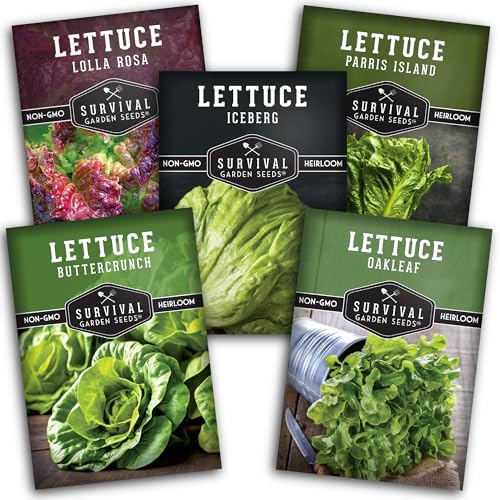
FIVE LETTUCE VARIETIES — Lettuce (Lactuca sativa) favorites including Romaine Parris Island, Buttercrunch, Iceberg, Oakleaf and Lolla Rosa for colorful, crisp salad garden harvests

YEAR-ROUND GARDEN FAVORITE – Dependable butterhead lettuce that thrives in cool or moderate weather for consistent harvests from spring through fall, even under cover in winter
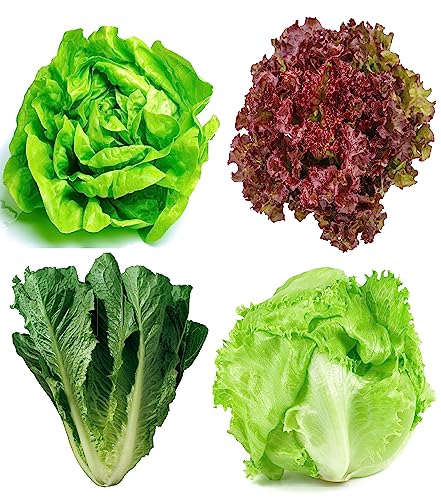
🌿 4 Distinct Heirloom Varieties Includes Iceberg, Buttercrunch, Romaine & Lollo Rosso for a complete salad garden with diverse textures, colors & flavors.
Butterhead Lettuce
Butterhead lettuce, known for its tender leaves and sweet flavor, grows well in summer. This variety includes Boston and Bibb lettuce. It prefers partial shade during the hottest part of the day.
- Planting: Seed directly into well-drained soil, about ½ inch deep.
- Spacing: Keep a distance of 12 inches between plants for proper airflow.
- Watering: Regular watering is crucial, especially in warmer temperatures.
Romaine Lettuce
Romaine lettuce excels in summer heat due to its sturdy structure and nutrient-rich leaves. This type is often used in salads and sandwiches.
- Planting: Sow seeds ¼ to ½ inch deep in fertile soil.
- Spacing: Space seeds 10 to 12 inches apart to promote healthy growth.
- Sunlight: Full sun exposure enhances flavor, so ensure you provide ample light.
Looseleaf Lettuce
Looseleaf lettuce varieties, such as Red Romaine and Green Leaf, adapt well to heat, making them a fantastic summer option. They grow quickly and can be harvested multiple times.
- Planting: Plant seeds ¼ inch deep in rows, allowing adequate spacing.
- Spacing: Keep plants 6 to 12 inches apart for optimal growth.
- Harvesting: Pick outer leaves regularly to encourage further growth.
Choose these varieties to enjoy a successful summer lettuce garden. Each type offers unique flavors and textures, making your meals vibrant and fresh.
Growing Conditions For Summer Lettuce
Growing lettuce in summer requires specific conditions for optimal health and flavor. Focusing on temperature and soil quality ensures a successful crop.
Recommended Products

Kindly NOTE: This soil tester can not be applied to test pH value of any other liquid. If the soil is too dry the indicator will not move, and water it before testing.

【4 in 1 function】This is a 4-in-1 multifunctional soil tester.Our soil tester fastly to measure soil moisture, pH, temperature and sunlight to help you take better care of flowers and plants.You can know when you need to water your soil by measuring moisture and pH & Temperature value of the soil and sunlight level of plants with it.

🌱 Take the Guesswork Out of Plant Care Monitor soil moisture, pH levels, and sunlight intensity with one convenient 3-in-1 soil tester. Easily understand your plants’ growing conditions and make smarter care decisions for healthier indoor and outdoor plants.
Ideal Temperature Range
Lettuce prefers a temperature range of 60°F to 75°F. Going beyond this range can stress the plants. For instance, Butterhead thrives in moderate temperatures, while Romaine and Looseleaf can handle slightly warmer conditions. Using shade cloth during heat waves can help maintain cooler temperatures and reduce bolting.
Soil Requirements
Well-drained, nutrient-rich soil promotes healthy lettuce growth. Aim for a pH level between 6.0 and 7.0 for best results. Adding organic matter, such as compost, improves soil structure and fertility. Regularly check soil moisture; it should be consistently moist but not waterlogged. Mulching around your lettuce can reduce evaporation and maintain moisture levels, providing a stable environment for growth.
Tips For Growing Summer Lettuce
Growing summer lettuce effectively requires attention to specific techniques. Use the following guidelines to ensure a bountiful harvest during warm months.
Watering Techniques
Watering plays a crucial role in summer lettuce health.
- Deep Watering: Water deeply once or twice a week. Ensure moisture penetrates 6-8 inches into the soil. This encourages roots to grow deeper, enhancing drought resistance.
- Morning Watering: Water in the early morning. This practice minimizes evaporation and allows leaves to dry before evening, reducing the risk of fungal diseases.
- Consistent Moisture: Check soil moisture regularly. Lettuce prefers consistently moist soil but mustn’t sit in water. Use your finger to test the top inch of soil.
- Mulching: Apply organic mulch, like straw or shredded leaves. This helps retain soil moisture and keeps the roots cool.
Pest Management Strategies
Implementing pest management strategies protects your lettuce from common summer threats.
- Regular Monitoring: Inspect plants frequently for pests such as aphids and slugs. Early detection leads to more effective control.
- Companion Planting: Use companion plants like marigolds as natural repellents. They deter pests while attracting beneficial insects.
- Neem Oil Application: Apply neem oil as a natural pesticide. It’s effective against various pests and safe for edible plants. Mix according to package instructions and spray in the early morning or late evening.
- Physical Barriers: Utilize row covers or nets to shield plants from pests. These barriers allow sunlight and rain through while keeping insects out.
- Handpicking: Handpick larger pests, like caterpillars or beetles. Dispose of them immediately to reduce their numbers.
Following these tips leads to healthy and delicious summer lettuce, ensuring a continuous supply of fresh greens throughout the season.
Harvesting Summer Lettuce
Harvesting summer lettuce involves recognizing the right time and using proper techniques to ensure optimal flavor and texture.
Signs Of Readiness
Look for clear indicators that your lettuce is ready for harvest.
- Leaf Size: For Butterhead, leaves should be large enough to form a head. Romaine should reach a height of about 6-8 inches. For Looseleaf, harvest when leaves are 4-6 inches long.
- Color and Crispness: Leaves should display vibrant color and feel crisp to the touch. Wilting or yellowing indicates it’s past peak readiness.
- Timing: Aim to harvest before the plant bolts. If you see early flower stalks, your lettuce is reaching the end of its life cycle.
Best Harvesting Practices
Utilize effective techniques for harvesting summer lettuce to maintain quality.
- Cutting Technique: Use a sharp knife or scissors to cut heads at the base. This minimizes damage to surrounding leaves for future growth.
- Morning Harvesting: Pick in the morning when temperatures are cooler and moisture levels are higher, which helps preserve freshness.
- Handling: Handle harvested lettuce gently. Avoid crushing leaves to maintain crispness.
- Storage Tips: Store lettuce in a breathable bag in the refrigerator. Keep moisture levels in check to avoid spoilage.
Following these practices ensures a bountiful harvest of your summer lettuce.
Conclusion
Growing lettuce in the summer can be a rewarding experience when you choose the right varieties and follow a few simple tips. By selecting heat-tolerant options like Butterhead Romaine and Looseleaf lettuce you can enjoy fresh greens even in the warmest months.
Remember to keep an eye on your garden’s conditions and adjust your watering and soil care as needed. With some attention and care your summer lettuce can thrive and provide you with delicious salads and sandwiches. So get out there and enjoy the bounty of your summer garden!
Frequently Asked Questions
What types of lettuce thrive in summer heat?
Butterhead, Romaine, and Looseleaf lettuce are ideal for summer. Butterhead prefers partial shade and regular watering, while Romaine enjoys full sun and is nutrient-rich. Looseleaf varieties adapt well to heat, allowing multiple harvests throughout the summer.
What is the ideal temperature range for growing summer lettuce?
The optimal temperature range for summer lettuce is between 60°F to 75°F. Going beyond this range can stress the plants and lead to problems like bolting. It’s essential to monitor temperatures, especially during heat waves.
How should I water my summer lettuce?
Water summer lettuce deeply once or twice a week to promote deep root growth. Morning watering is best to reduce evaporation, and regular soil checks will help maintain adequate moisture levels for healthy growth.
What soil conditions are best for summer lettuce?
Summer lettuce thrives in well-drained, nutrient-rich soil with a pH level between 6.0 and 7.0. Adding organic matter like compost enhances soil fertility, ensuring optimal conditions for the lettuce to grow.
When is the best time to harvest summer lettuce?
Harvest summer lettuce when leaves reach the desired size and color but before the plant bolts. Morning is the best time for harvesting to ensure freshness, so use sharp scissors or a knife to cut at the base.
How can I manage pests in my summer lettuce garden?
Regularly monitor for pests and use companion planting with marigolds to deter them. Consider natural treatments like neem oil and physical barriers like row covers. Handpicking larger pests can also be effective.
How should I store harvested summer lettuce?
Store harvested lettuce in breathable bags in the refrigerator to maintain freshness. Keep moisture levels in check to prevent spoilage, and avoid washing the leaves before storage to reduce excess moisture.
