

Are you eager to enjoy fresh, homegrown lettuce but unsure when to move those seedlings outdoors? You’re not alone. Many gardeners face the same challenge, wanting to get the timing just right for a bountiful harvest.
Key Takeaways
- Understanding Growth Stages: Lettuce grows from seeds to seedlings, requiring optimal moisture and light for healthy development. Proper thinning allows for better growth.
- Optimal Transplant Timing: Aim to transplant lettuce when temperatures are between 60°F and 70°F, following your area’s last frost date, to ensure successful outdoor growth.
- Soil Preparation: Before transplanting, test and amend the soil for optimal pH (6.0 to 7.0) and add organic matter to promote soil fertility and structure.
- Hardening Off: Gradually acclimate seedlings to outdoor conditions over 7 to 10 days to minimize transplant shock and enhance survival rates.
- Location Selection: Choose a sunny, well-drained spot for planting, with protection from wind, to support healthy lettuce growth.
- Avoid Common Mistakes: Be cautious of transplanting too early or late, skipping the hardening off process, and neglecting soil health, as these can jeopardize your lettuce crop.
Understanding Lettuce Growth Stages
Understanding the growth stages of lettuce helps you determine the right time for transplanting. Lettuce undergoes several key stages from seed to mature plant.
Seeds to Seedlings
Lettuce seeds germinate within 7 to 14 days under optimal conditions. Choose a well-draining seed-starting mix to enhance germination. Keep the soil moist but not waterlogged. Once seeds sprout, thin out seedlings to prevent overcrowding. Aim for at least 2 inches between each seedling to allow for healthy growth.
Seedling Care
Addressing the needs of seedlings ensures robust growth. Place seedlings in a location with plenty of light, ideally 12 to 16 hours per day. A grow light can be beneficial during darker months. Water seedlings consistently, ensuring the top inch of soil remains moist. When seedlings reach about 4 to 6 inches tall, acclimate them to outdoor conditions through a process called hardening off. Gradually expose seedlings to outdoor temperatures over 7 to 10 days. This process reduces transplant shock and promotes stronger plants.
By maintaining focus on these critical growth stages, you set the foundation for healthy lettuce.
Ideal Timeframes for Transplanting
Timing plays a crucial role in the success of transplanting lettuce outdoors. Understanding your local conditions can guide your planting decisions.
Recommended Products

We grow a variety of edible seasonal seedlings (aka plugs/starts/transplants) that will flourish in your soil or hydroponic garden.

We grow a variety of edible seasonal seedlings (aka plugs/starts/transplants) that will flourish in your garden.
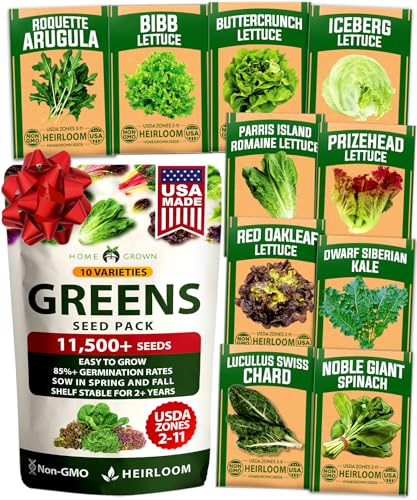
COMPLETE VARIETY PACK: Ten popular lettuce and leafy green varieties; Romaine lettuce seeds, Buttercrunch, Iceberg, Bibb, Red Oakleaf, Prizehead, Kale, Spinach and more; Perfect for organic salad gardens; High 95% germination rate
Local Climate Considerations
Consider your local climate when deciding to transplant lettuce. Lettuce thrives in cool weather, with optimal temperatures ranging from 60°F to 70°F. In temperate regions, early spring is ideal. Check your local forecast for consistent temperatures that fall within this range.
Prepare to transplant after the last frost date. Monitor nighttime temperatures, as lettuce is sensitive to heat. If nighttime temperatures exceed 75°F, consider delaying transplanting until the weather cools down.
Frost Dates and Lettuce Varieties
Know your frost dates for successful planting. The average last frost date varies by region. Use local agricultural resources or gardening apps to find these dates.
Choose lettuce varieties based on the time of year. Cool-season varieties, like Butterhead and Romaine, prefer early spring. Warm-season types, such as Leafy and Batavia, manage better when planted in late spring. Adjust your transplanting schedule according to the specific variety, allowing enough time for growth before heat sets in.
Preparing for Transplanting
Before transplanting lettuce outdoors, proper preparation ensures healthy growth and a successful harvest. Focusing on soil, location, and other factors helps you set up your garden for success.
Recommended Products

Quick, at home results for Soil pH, Nitrogen, Phosphorous and Potash Innovative and inexpensive soil test kit features an easy-to-use capsule system and patented color comparators

Accurate Soil pH Testing: Dewildetradingco Soil pH Test Strips offer measurements of soil pH levels (pH 3.5-9). As an essential tool for every gardener and grower, these test strips help determine the optimal pH for various plants, such as outdoor plants, indoor plants, gardens, grass lawns, fruit trees, flowers, vegetables, and forest shrubs.

Kindly NOTE: This soil tester can not be applied to test pH value of any other liquid. If the soil is too dry the indicator will not move, and water it before testing.
Soil Preparation and Fertilization
Prepare the soil by ensuring it’s well-draining and nutrient-rich. Start with these steps:
- Test the Soil: Use a pH test kit. Lettuce prefers a pH of 6.0 to 7.0.
- Amend the Soil: If necessary, add organic matter like compost or aged manure. This improves soil structure and fertility.
- Till the Soil: Loosen the soil at least 12 inches deep. This enhances root penetration and water drainage.
- Fertilize Accordingly: Use a balanced fertilizer. A ratio of 10-10-10 (N-P-K) works well. Apply according to package instructions, usually around 2 to 3 weeks before transplanting.
By preparing the soil adequately, you provide lettuce with a conducive environment to thrive.
Choosing the Right Location
Selecting the right location for your lettuce is crucial. Consider these factors:
- Access to Sunlight: Lettuce thrives in partial shade, especially during warmer months. Aim for 4 to 6 hours of sunlight daily.
- Wind Protection: Choose a sheltered area. Wind can damage young plants, so consider placing them near a fence or taller plants.
- Water Drainage: Avoid low spots where water collects. Standing water can lead to root rot.
- Companion Planting: If planting with other crops, pair lettuce with compatible plants like carrots or radishes. This maximizes yield and minimizes space.
By choosing the right location, you help ensure your lettuce grows strong and healthy.
Transplanting Process
Transplanting lettuce requires careful preparation and attention to detail for best results. Follow these steps to ensure a smooth process and a successful crop.
Recommended Products

Comprehensive Small Garden Tools: Our indoor garden kit Not only for succulents, but also suitable for bonsai plants, cactus and most of indoor small plants. The mini garden tools set meets your various gardening needs like potting mat, digging, watering, loosening soil, transplanting, cleaning, pruning, weeding, etc. Lightweight, Easy carry and wash after every use. Just pat dry.

【Excellent for Transplanting Seedlings】The seed planting shovel with narrow and sharp edge, making it perfect for replanting plants, deep digging around a plant to be able to scoop it up and transplant it elsewhere, and also good for planting rows of seeds.

ALL-IN-ONE SUCCULENT TOOLS SET: This succulent tools kit contins all the essentials:1 water bottle(250 ml),1 Cleaning brush,1 Pair of curved tip tweezers,1 pair of straight tip tweezers,1 Leaf trimmer,1 Air dust blower,2 Transplanting tools,2 Bucket shovel set,3 Rake spade shovel.
Step-by-Step Guide
- Prepare Seedlings: Ensure your seedlings are strong. They should have healthy leaves and sturdy stems after 3 to 4 weeks of growth indoors.
- Harden Off: Gradually acclimate seedlings to outdoor conditions. Start by placing them outside for a few hours each day, increasing the duration over 7 to 10 days.
- Choose a Planting Date: Aim for transplanting a week after the last expected frost date in your area.
- Select the Right Spot: Choose a sunny location with good drainage for planting. Aim for at least 6 hours of direct sunlight daily.
- Prepare Soil: Test and amend the soil pH to 6.0 to 7.0. Mix in organic matter, such as compost, for added nutrients.
- Plant Seedlings: Transplant seedlings when temperatures are mild. Space them 10 to 12 inches apart in rows that are 12 to 18 inches apart.
- Water Immediately: Water the newly transplanted seedlings thoroughly to help them settle into the soil.
- Mulch: Apply a thin layer of mulch around the base of the plants to retain moisture and suppress weeds.
- Transplanting Too Early or Late: Don’t rush to transplant before the last frost, or wait too long when temperatures rise above 75°F.
- Skipping Hardening Off: Avoid transplant shock by properly hardening off. Skipping this step can lead to wilting and poor growth.
- Ignoring Soil Health: Don’t overlook soil preparation. Poor soil quality may stunt growth or lead to disease.
- Planting Too Deep: Ensure seedlings are at the same depth as they were in their starters. Planting too deep may suffocate them.
- Neglecting Watering: Don’t forget to water seedlings right after transplanting. They need it to establish roots.
By following this transplanting process and avoiding common pitfalls, you enhance your chances of growing a robust and delicious lettuce crop.
Conclusion
Transplanting lettuce can be a rewarding experience when you get the timing just right. By paying attention to local climate conditions and understanding your lettuce varieties, you can set yourself up for a bountiful harvest. Remember to prepare your soil and seedlings properly to give them the best chance of thriving once they’re in the ground.
As you venture into your gardening journey, keep an eye on those temperatures and nurture your plants with care. With a little patience and the right approach, you’ll soon enjoy the crisp, fresh taste of homegrown lettuce right from your garden. Happy gardening!
Frequently Asked Questions
When is the best time to transplant lettuce seedlings outdoors?
The ideal time to transplant lettuce seedlings is in early spring, after the last frost date. Lettuce thrives in cool weather, so ensure nighttime temperatures remain below 75°F to avoid heat stress.
How long does it take for lettuce seeds to germinate?
Lettuce seeds typically germinate within 7 to 14 days under optimal conditions. Proper care during this period is vital to ensure healthy seedlings.
What does “hardening off” mean?
Hardening off is the process of gradually acclimating seedlings to outdoor conditions. This helps reduce transplant shock and ensures stronger plants when you transplant them into the garden.
What are some key factors for successful lettuce growth?
Successful lettuce growth relies on proper soil preparation, adequate light, consistent moisture, and monitoring local climate conditions, including temperatures and frost dates.
How should I prepare the soil for transplanting lettuce?
To prepare soil, test pH levels, amend with organic matter, till the soil, and fertilize appropriately. This creates a healthy base for your lettuce to thrive.
What types of lettuce are best for early spring planting?
Cool-season varieties like Butterhead and Romaine are ideal for early spring planting. They thrive in cooler temperatures and are better suited for this season.
Why should I space lettuce seedlings correctly?
Proper spacing prevents overcrowding, ensuring adequate sunlight, airflow, and nutrients for each plant. This promotes healthy growth and a successful harvest.
What are common pitfalls to avoid when transplanting lettuce?
Avoid transplanting too early or late, skipping the hardening off process, neglecting soil health, planting too deep, and forgetting to water your seedlings after transplanting.
