

Have you ever stepped into your garden only to find your beautiful lettuce leaves looking like they’ve been through a battle? If you’ve faced this frustrating scenario, you might be wondering if slugs are the culprits. These slimy creatures are notorious for munching on tender greens, and lettuce is often at the top of their menu.
Key Takeaways
- Slugs as Garden Pests: Slugs are common nocturnal garden pests that primarily consume tender greens like lettuce, leaving noticeable damage behind.
- Lettuce Attraction: The high moisture content and soft texture of lettuce make it particularly appealing to slugs, especially when alternative food sources are scarce.
- Preventive Measures: Implementing barriers like copper tape, diatomaceous earth, and crushed eggshells can effectively deter slugs from damaging your lettuce.
- Natural Remedies: Utilizing natural repellents such as coffee grounds, garlic water, and beer traps can help control slug populations while being safe for your plants.
- Regular Monitoring: Frequent garden checks, especially after rainfall, are essential for identifying and managing slug activity early.
Understanding Slugs
Slugs are common garden pests known for their ability to damage a variety of plants, particularly tender greens like lettuce. Understanding their characteristics and behaviors is crucial for managing them effectively.
What Are Slugs?
Slugs are soft-bodied mollusks belonging to the class Gastropoda. They lack a hard shell, unlike snails, which makes them more vulnerable yet highly adaptable. Adult slugs typically measure between 1 to 4 inches long, and they display a range of colors, including brown, gray, and black. Their moist bodies require a humid environment, which is why they thrive in gardens, especially during wet weather or in shady areas.
Slug Behavior and Diet
Slugs are nocturnal creatures, actively feeding at night when moisture levels are higher. Their diet primarily consists of decaying plant matter, but they also favor fresh, tender leaves. Lettuce stands out as a prime target due to its high water content and soft texture. In gardens, slugs can cause severe damage by leaving large holes in leaves or even completely consuming young plants. To deter slugs, consider these practical strategies:
- Regular Monitoring: Check your garden frequently, especially after rainfall, for signs of slug activity.
- Barrier Methods: Use copper tape or diatomaceous earth around your plant beds. These barriers can deter slugs from crossing.
- Handpicking: In smaller gardens, you can manually remove slugs at night or early morning when they are most active.
By understanding slugs and their preferences, you can take targeted actions to protect your lettuce and other vulnerable plants.
The Connection Between Slugs and Lettuce
Slugs pose a significant threat to your lettuce plants. Understanding why slugs target lettuce helps in managing their presence effectively.
Recommended Products

Effective Slug & Snail Defense: Copper Stopper creates a powerful barrier against slugs and snails, serving as a slug repellent for garden beds in a pet-safe solution.

DUAL PURPOSE: Combined slug and snail repellent with plant fertilizer in one convenient 12 oz package for comprehensive plant care
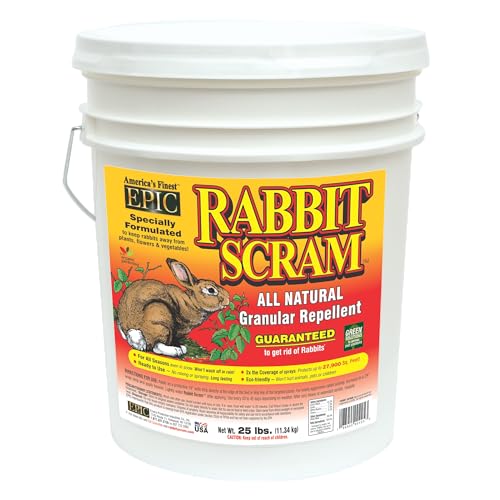
REPELS & TRAINS BY SMELL - This specially formulated repellent contains a proprietary blend of natural biodegradable ingredients designed to emit an odor that rabbits associate with their dead kin. It repels the animals before they nibble on plants & before they begin browsing shrubs and eating flowers.
Why Do Slugs Target Lettuce?
Slugs prefer lettuce for its tender texture. Young, fresh leaves offer easy access to nutrients. These soft-bodied creatures often seek out nutritious food sources, especially when other options are scarce. Lettuce thrives in moist environments, creating an ideal habitat for slugs. They become more active during nighttime or damp conditions, making your garden a prime target.
Nutritional Value of Lettuce for Slugs
Lettuce is rich in moisture and low in fiber, which appeals to slugs. The high water content helps them stay hydrated, crucial for their survival. Lettuce provides essential nutrients such as vitamins A and K, promoting growth and reproduction in slugs. When other food sources are limited, slugs gravitate towards lettuce, further exacerbating garden damage.
Preventing Slugs from Eating Your Lettuce
Protecting your lettuce from slugs requires a few strategic methods. Implementing effective barriers and using natural remedies can significantly reduce slug damage.
Effective Barriers and Deterrents
- Copper Tape: Place copper tape around your garden beds. The tape emits a slight electrical charge when slugs touch it, deterring them from crossing.
- Diatomaceous Earth: Sprinkle diatomaceous earth around plants. This natural powder dehydrates slugs when they crawl over it, serving as an effective barrier.
- Wood Chips: Surround your lettuce plants with wood chips. The rough texture makes it challenging for slugs to navigate, providing a natural deterrent.
- Eggshells: Crush eggshells and spread them around your lettuce. The sharp edges prevent slugs from reaching the leaves.
- Raised Beds: Consider planting lettuce in raised garden beds. Slugs have a harder time climbing these structures, which reduces their access.
- Coffee Grounds: Scatter used coffee grounds around your plants. The caffeine is toxic to slugs, acting as a natural repellent.
- Garlic Water: Mix crushed garlic with water and spray it on your lettuce. The strong odor repels slugs while being safe for plants.
- Beer Traps: Bury small containers filled with beer in the garden. Slugs are attracted to beer, crawl in, and then can’t escape.
- Soapy Water: Create a soapy water solution and spray directly on slugs. The soap suffocates them, reducing their population.
- Salt: Use salt sparingly around your garden as a barrier. Salt draws moisture from slugs, but be cautious as it can harm the soil and other plants.
By applying these methods, you can safeguard your lettuce from slugs and promote healthier growth in your garden.
Conclusion
Dealing with slugs in your garden can be frustrating but understanding their habits can help you protect your lettuce. By taking proactive measures and using natural deterrents you can create a healthier environment for your plants. Remember that a little vigilance goes a long way in keeping these pesky pests at bay.
With the right strategies in place you can enjoy fresh and thriving lettuce while minimizing the impact of slugs. Happy gardening and may your lettuce flourish!
Frequently Asked Questions
What causes damage to lettuce leaves in the garden?
Slugs are a common culprit behind damaged lettuce leaves. These pests prefer tender greens, especially when other food sources are scarce. Their soft bodies make them adept at crawling on plants and causing harm.
How do slugs damage lettuce?
Slugs feed on lettuce by scraping its tender leaves, creating holes and leading to wilting. They are particularly attracted to young, fresh leaves due to their high moisture content, making them easy targets for feeding.
Where do slugs typically live?
Slugs thrive in humid environments and are often found in shady areas, especially during wet weather. They prefer locations with plenty of decaying plant matter, which serves as part of their diet.
How can I prevent slugs from harming my lettuce?
To deter slugs, use barriers like copper tape or diatomaceous earth around your garden. Additionally, employing natural remedies like crushed eggshells and coffee grounds can help keep these pests at bay.
What are some effective methods for managing slugs?
Regularly monitor your garden and handpick slugs during their activity at night. Implementing barriers and using natural repellents like garlic water, beer traps, or soapy water can effectively manage slug populations.
