

Are you eager to get your hands dirty and start planting tomatoes in your garden? Picture this: it’s a sunny day, and you’re envisioning ripe, juicy tomatoes ready for picking. But when is the right time to plant them? Timing is crucial for a successful tomato harvest that will have you savoring the fruits of your labor all season long.
Key Takeaways
- Timing is crucial for successful tomato planting, with the ideal soil temperature being around 60°F (15.5°C).
- Regional differences impact planting times, so consider your climate zone for optimal growth.
- Choose tomato varieties based on taste preference, disease resistance, and intended use.
- Proper soil preparation includes testing pH levels, amending soil if needed, ensuring good drainage, and selecting a sunny spot.
- Factors like temperature sensitivity to frost and sunlight requirements influence the best timing for planting tomatoes.
- Care for tomato plants by providing consistent moisture, deep watering, morning watering, following a feeding schedule, and protecting against common pests and diseases.
Understanding Tomato Planting Seasons
When it comes to planting tomatoes, timing plays a crucial role in the success of your harvest. Let’s delve into why understanding tomato planting seasons is essential for a thriving garden.
Why Timing Matters for Tomato Planting
Planting tomatoes at the right time ensures optimal growth and production. The ideal time to plant tomatoes is when the soil temperature consistently reaches around 60°F (15.5°C). This temperature range provides an excellent environment for seeds to germinate and plants to establish themselves properly.
Regional Differences in Planting Times
Tomato planting times can vary based on your region’s climate and weather patterns. In warmer regions, such as the southern United States, you may be able to plant tomatoes earlier in the year compared to cooler northern regions where late spring or early summer planting is more common. It’s crucial to consider your specific climate zone when determining the best time to plant tomatoes for a successful harvest.
Ensure you check local gardening resources or consult with experienced gardeners in your area to determine the most suitable planting times based on regional differences. By understanding these variations, you can maximize your chances of growing healthy and productive tomato plants throughout the season.
Preparing to Plant Your Tomatoes
Before you start planting your tomatoes, it’s essential to make sure you’re fully prepared. Here are some key steps to consider:
Recommended Products

Quick, at home results for Soil pH, Nitrogen, Phosphorous and Potash Innovative and inexpensive soil test kit features an easy-to-use capsule system and patented color comparators

Kindly NOTE: This soil tester can not be applied to test pH value of any other liquid. If the soil is too dry the indicator will not move, and water it before testing.

KNOW BEFORE YOU GROW | Grow the healthiest, sustainable lawn and garden with the most accurate and easy to use professional soil test kit on the market
Choosing the Right Tomato Varieties
When selecting tomato varieties for your garden, think about factors like taste preference, disease resistance, and intended use (e.g., fresh eating or canning). Some popular options include:
- Beefsteak tomatoes for their large size and juicy flesh.
- Cherry tomatoes for snacking or salads.
- Roma tomatoes ideal for sauces and paste due to their low moisture content.
Soil and Site Preparation
Proper soil preparation is crucial for healthy tomato plants. Follow these steps to get your soil ready:
- Test Your Soil: Check the pH level of your soil using a test kit from a garden center. Tomatoes thrive in slightly acidic soil with a pH between 6.0 and 7.0.
- Amend the Soil: If needed, adjust the pH by adding lime or sulfur according to the test results.
- Ensure Good Drainage: Tomatoes dislike wet feet, so ensure proper drainage by amending heavy clay soils with organic matter like compost.
- Choose a Sunny Spot: Select a location that receives at least 6-8 hours of sunlight daily for optimal growth.
Key Factors Influencing Tomato Planting Times
When considering when to plant your tomatoes, several key factors influence the best timing for a successful harvest. Understanding these factors will help you optimize your planting schedule and ensure healthy tomato plants.
Temperature and Frost Considerations
Tomatoes are sensitive to temperature fluctuations, especially frost. It’s crucial to wait until the soil temperature reaches around 60°F (15.5°C) before planting your tomatoes. Frost can damage or kill young tomato plants, so make sure all risk of frost has passed before transplanting them into your garden.
Sunlight and Day Length Requirements
Tomatoes thrive in sunny conditions with adequate daylight hours. Choose a spot in your garden that receives at least 6-8 hours of direct sunlight daily for optimal growth. Adequate sunlight helps tomatoes photosynthesize efficiently, leading to robust plant growth and bountiful fruit production.
By considering these essential factors like temperature sensitivity and sunlight requirements, you can plan the perfect timing for planting your tomatoes and set them up for a successful growing season.
Step-by-Step Guide to Planting Tomatoes
Here’s a straightforward guide to help you plant your tomatoes successfully.
Recommended Products
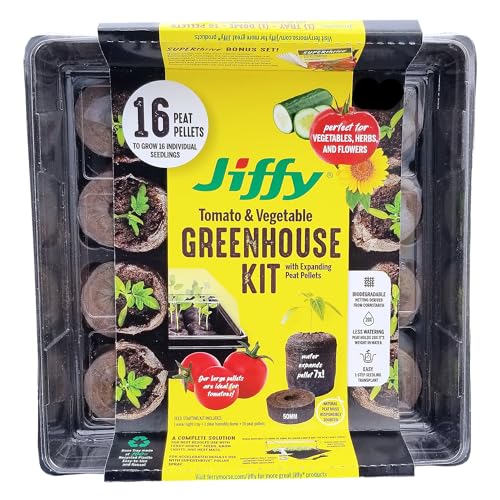
COMPLETE GERMINATION KIT: Includes sixteen 50 mm peat pellets for easy seed starting. Designed for optimal moisture retention and healthy root development in every pellet.

✔ Grow 8 Delicious Tomato Varieties! 🍅🌱 This tomato starter kit includes eight heirloom tomato and tomatillo varieties, perfect for growing fresh, juicy tomatoes at home. Enjoy a mix of cherry, slicing, paste, and tomatillo varieties—all from one kit!

Includes Back to the Roots Compressed Seed Starting Potting Mix that expands to 12qt of soil. A balanced pH, which means it’s truly all-purpose. Use alone or as an amendment for anything in a pot or in the ground — vegetables, flowers, herbs, and even starting seeds.
When to Start Seeds Indoors
Start tomato seeds indoors about 6-8 weeks before the last frost date in your area. This timing allows the seedlings to be ready for transplanting outdoors when the weather is warm enough. Make sure to provide adequate light, warmth, and moisture for healthy seedling growth.
Transplanting Seedlings Outdoors
Once the danger of frost has passed and the soil temperature consistently reaches 60°F (15.5°C), it’s time to transplant your tomato seedlings outdoors. Choose a sunny spot with well-draining soil for optimal growth. Dig a hole deep enough to cover most of the stem and remove any lower leaves before planting. Water thoroughly after transplanting to help the roots establish in their new environment.
Caring for Your Tomato Plants
After successfully planting your tomatoes, it’s crucial to understand how to care for them properly. Here are some essential tips to ensure healthy and productive tomato plants.
Watering and Feeding Requirements
Watering is vital for tomato plants’ growth and fruit development. Here’s what you need to know:
- Consistent Moisture: Tomatoes need consistent moisture, so water them regularly to keep the soil evenly moist but not waterlogged.
- Deep Watering: When watering, ensure that the water reaches the plant’s roots by watering deeply rather than shallowly.
- Morning Watering: It’s best to water your tomatoes in the morning to allow foliage to dry during the day, reducing the risk of diseases.
- Feeding Schedule: Fertilize your tomato plants regularly with a balanced fertilizer following the instructions on the product label.
Common Pests and Diseases
Protecting your tomato plants from pests and diseases is crucial for a successful harvest. Here are some common issues you may encounter:
- Aphids: These tiny insects can damage tomato plants by sucking sap from leaves and stems. Use insecticidal soap or neem oil as natural remedies.
- Early Blight: A fungal disease that causes dark spots on leaves, early blight can be managed by removing affected leaves promptly and applying fungicides if necessary.
- Hornworms: Large green caterpillars that feed on tomato plant leaves; handpick them off or use biological controls like Bacillus thuringiensis (Bt).
- Preventive Measures: To prevent pests and diseases, practice crop rotation, maintain good airflow around plants, and avoid overhead watering which can promote fungal growth.
Conclusion
You’re now equipped with the knowledge needed to plant and care for your tomatoes successfully. Remember, timing is key when it comes to planting tomatoes, so be mindful of regional variations and soil temperature requirements. By selecting the right tomato varieties, starting seeds indoors, and transplanting seedlings outdoors, you’re setting yourself up for a bountiful harvest. When caring for your tomato plants, ensure they receive consistent moisture through deep watering and feed them with balanced fertilizer. Keep an eye out for common pests and diseases like aphids, early blight, and hornworms by implementing preventive measures such as crop rotation and promoting good airflow in your garden. With these tips in mind, you’ll soon be enjoying delicious homegrown tomatoes straight from your garden!
Frequently Asked Questions
When is the best time to plant tomatoes?
Plant tomatoes after the last frost date in your region. Soil temperature should be at least 60°F for optimal growth.
How do I start growing tomato plants from seeds?
Start tomato seeds indoors 6-8 weeks before the last frost. Use a seed-starting mix, keep moist, and provide adequate light.
What are some common pests that affect tomato plants?
Common pests include aphids, early blight, and hornworms. Monitor plants regularly and take appropriate action if detected.
How often should I water my tomato plants?
Water consistently to maintain soil moisture. Aim for deep watering once a week or more during hot weather.
What type of fertilizer should I use for my tomato plants?
Use a balanced fertilizer high in phosphorus (middle number) to promote fruit development. Follow package instructions for application.
How can I prevent diseases in my tomato plants?
Practice crop rotation yearly and ensure good airflow around plants to minimize disease spread. Remove affected leaves promptly.
