

Are you tired of your tomato plants sprawling all over the garden, making it hard to harvest those juicy fruits? Picture this: you step into your backyard, and instead of a tangled mess, you see neatly staked tomato plants standing tall and proud. How can you achieve this tomato-growing dream effortlessly?
Key Takeaways
- Staking tomatoes is essential for improved air circulation, preventing soil-borne diseases, and promoting healthier fruit development.
- Choosing the right stakes like wooden, metal, bamboo, or cage supports based on height and material is crucial for providing adequate support to tomato plants.
- Properly staking tomatoes involves starting early, using soft strips for tying, pruning side shoots, and employing adjustable ties for growth.
- Regular maintenance such as adjusting ties, pruning excess foliage, monitoring pests and diseases, and adjusting support height is key to ensuring healthy growth of staked tomato plants.
Importance of Staking Tomatoes
Staking tomatoes is crucial for several reasons. Here’s why:
Benefits of Increased Air Circulation
Staking your tomato plants allows for better air circulation around the foliage. This improved airflow helps prevent fungal diseases, such as blight, by reducing moisture on the leaves. It also aids in pollination, leading to healthier fruit development.
Preventing Soil-Borne Diseases
By keeping your tomato plants off the ground through staking, you can reduce the risk of soil-borne diseases. Direct contact with soil increases susceptibility to issues like bacterial spot and early blight. Staking helps maintain plant health and minimizes the chances of these diseases affecting your crop.
Choosing the Right Stakes
When it comes to staking your tomatoes, selecting the appropriate stakes is crucial for ensuring your plants receive the support they need to thrive. Here’s a guide to help you choose the right stakes for your tomato plants.
Types of Stakes
- Wooden Stakes: These are sturdy and durable options for supporting tomato plants. You can easily find them at garden centers or repurpose wooden dowels for this purpose.
- Metal Stakes: Metal stakes provide strong support and are long-lasting. They are ideal for heavier tomato varieties that may require additional stability.
- Bamboo Stakes: Bamboo stakes are eco-friendly, affordable, and easy to work with. They offer a natural look in your garden while providing adequate support.
- Cage Supports: Tomato cages are another popular option that provides 360-degree support for sprawling tomato plants, keeping them upright as they grow.
- Height: Choose stakes that are tall enough to accommodate the expected height of your tomato plants at maturity. A good rule of thumb is to select stakes that are at least 6 feet tall to allow ample room for growth.
- Material: Consider the weight of your tomato plant when selecting stake material. Heavier plants may require stronger materials like metal or thick wooden stakes to prevent bending or collapsing under the plant’s weight.
By carefully considering these factors, you can ensure that your tomatoes have the necessary support to grow healthy and fruitful throughout the season.
Steps to Stake Tomatoes
When it comes to staking tomatoes, following the right steps is crucial for supporting your plants effectively and ensuring a bountiful harvest. Here’s a guide on how to stake tomatoes properly:
Recommended Products

MADE FROM 65% RECYCLED PLASTIC - Reusable so you can reduce waste; supports the move toward a sustainable future whether using as indoor plant support, or replacing garden wire in the yard
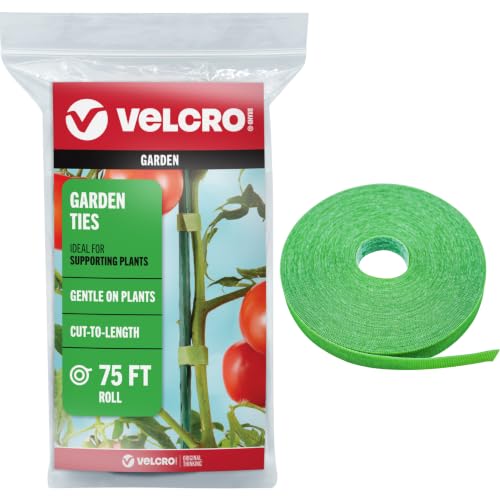
SECURE AND DURABLE: Strong Velcro Brand One-Wrap Garden Ties With Non-Slip Grip Keeps Flowers And Plants Staked, Supported, And Securely Bundled Together

Material: Made of plastic high quality,. It can provide support and fixation for plants without harming your plants. At the same time, it can ensure that the plants are neat and beautiful.
Timing for Staking
Start staking your tomato plants when they are young to avoid damaging their roots or stems as they grow. It’s best to stake them shortly after planting or when they reach about 6-12 inches in height. This early intervention helps establish a strong support system for the plants as they start developing.
- Using Soft Strips: Secure the main stem of the tomato plant to the stake using soft strips made of cloth or twine. Avoid using materials that can cut into the stem as it grows.
- Loose Ties: Tie the plant loosely to allow room for growth while still providing support. Check and adjust ties regularly as the plant continues to grow taller.
- Pruning & Training: Remove any side shoots (suckers) that may compete with the main stem and tie only the main stem to prevent overcrowding around the stake.
- Adjustable Support: Consider using adjustable ties or clips that can be easily loosened or tightened as needed, especially during periods of rapid growth.
By staking your tomatoes at the right time and employing proper tying techniques, you’ll help your plants stay healthy, upright, and well-supported throughout their growth cycle, resulting in a successful tomato harvest.
Maintenance and Care
After staking your tomatoes, it’s essential to perform regular adjustments to ensure optimal growth. Here’s how you can maintain and care for your staked tomato plants effectively:
Regular Adjustments
- Check the ties: Monitor the ties securing the main stem to the stake regularly. Make sure they are not too tight, allowing room for growth without constricting the plant.
- Prune as needed: Trim any excess foliage or side shoots that may hinder airflow or weigh down the plant. This practice helps redirect energy towards fruit production.
- Adjust support height: As your tomato plant grows, adjust the height of the stake or support system accordingly to provide continuous stability.
- Keep an eye out for pests: Inspect your tomato plants routinely for signs of pest infestations such as aphids, caterpillars, or spider mites. Early detection can prevent widespread damage.
- Watch for diseases: Look for symptoms of common tomato diseases like blight or powdery mildew. Prompt action, such as pruning affected areas and applying appropriate treatments, can help mitigate disease spread.
By staying proactive with regular adjustments and vigilant monitoring, you’ll promote healthy growth and maximize yields from your staked tomato plants.
Conclusion
Staking tomatoes is a rewarding practice that boosts plant health and optimizes yields. By choosing the right stakes, staking at the correct time, and providing proper support, you can ensure your tomato plants flourish. Regular maintenance, such as checking ties and pruning excess foliage, is key to sustained growth. Remember to monitor for pests and diseases to safeguard your plants’ well-being. With these tips in mind, you’re on your way to enjoying a bountiful harvest of delicious homegrown tomatoes. Happy gardening!
Frequently Asked Questions
Why should I stake my tomato plants?
Staking tomato plants helps improve air circulation, prevent diseases, and support overall plant health.
What are the benefits of using wooden stakes for tomatoes?
Wooden stakes provide sturdy support and blend well with garden aesthetics.
How do metal stakes benefit tomato plants?
Metal stakes offer durable support suitable for heavier tomato varieties.
Are bamboo stakes a good option for staking tomatoes?
Bamboo stakes are eco-friendly, affordable, and easy to work with.
Why consider cage supports for staking tomatoes?
Cage supports provide all-around stability and ease of use for supporting sprawling tomato plants.
When is the best time to stake tomatoes?
Stake tomatoes when they are young to avoid damaging mature roots later on.
How should I secure the main stem to the stake properly?
Use soft strips or twine to loosely tie the main stem to the stake without restricting growth.
Why is pruning side shoots important after staking tomatoes?
Pruning side shoots directs energy toward fruit production and promotes healthy plant growth.
What pests and diseases should I watch out for when staking tomatoes?
Monitor for aphids, caterpillars, blight, or powdery mildew regularly to maintain healthy tomato plants.
What maintenance practices should I follow after staking my tomato plants?
Regularly check ties, prune excess foliage, adjust support height as needed, and ensure proper care against pests and diseases.
