

Ever found yourself at the grocery store, craving fresh carrots for your favorite dishes, only to be met with disappointment? You’re not alone. Knowing when carrots are in season can save you from the frustration of subpar produce.
Imagine effortlessly picking out the crispest, most flavorful carrots, knowing they’re at their peak. Say goodbye to lackluster veggies that leave you underwhelmed.
In this article, you’ll uncover the secrets of carrot seasons, empowering you to make the most of this versatile vegetable all year round. Let’s dive in and elevate your culinary adventures with the freshest carrots possible.
Understanding Carrot Seasons
When it comes to Understanding Carrot Seasons, it’s essential to know when these vibrant root vegetables are at their prime. Carrots are typically in season during the spring and fall months, offering the best flavor and freshness during these periods.
In the spring, you can expect a bounty of young and tender carrots with a sweet and delicate taste. On the other hand, fall brings robust and earthy carrots that are perfect for hearty stews and savory dishes.
To make the most of carrot season, shop at local farmers’ markets or join a community-supported agriculture (CSA) program to access freshly harvested carrots. By doing so, you can enjoy the peak of flavor and nutritional value that these seasonal vegetables offer.
When preparing meals with seasonal carrots, focus on simple recipes that highlight their natural sweetness. Roasting carrots with a drizzle of olive oil, honey, and a sprinkle of herbs can enhance their taste and texture, creating a delicious side dish or snack.
Remember, by understanding carrot seasons, you can savor the best quality carrots and elevate your culinary creations throughout the year.
Benefits of Consuming Carrots In-season
When you choose to consume carrots in-season, you’re not just treating your taste buds; you’re also boosting your health in numerous ways. Here are the benefits:
- Optimal Nutrient Content: In-season carrots are harvested at their peak, packed with essential vitamins and minerals for your well-being.
- Freshness: By selecting in-season carrots, you guarantee that you’re getting the freshest produce, ensuring superior taste and texture in your dishes.
- Support Local Farmers: Purchasing carrots when they’re in-season means you’re supporting local farmers and promoting sustainable agriculture practices in your community.
- Cost-Effective: In-season carrots are often more budget-friendly due to increased supply, allowing you to enjoy nutritious meals without breaking the bank.
- Peak Flavor: Seasonal carrots offer the best flavor profiles, enhancing your culinary creations with their natural sweetness and freshness.
Recommended Products

Selected and stored fresh

Grown in United States or Mexico
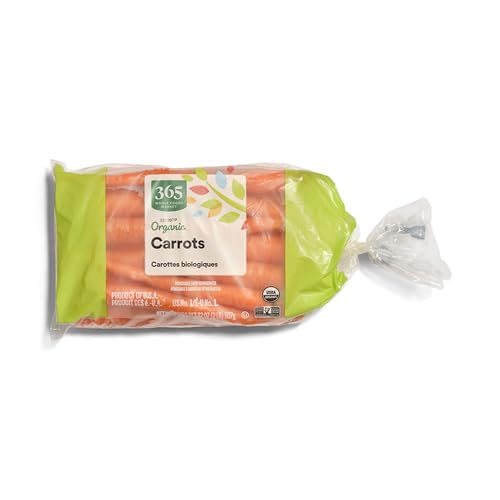
Selected and stored fresh
Winter: A Prime Season for Carrots
When the colder months roll in, winter becomes a prime season for carrots. Why? Well, here’s why:
- Optimal Taste and Texture: Winter brings out the best in carrots, enhancing their natural sweetness and crispness.
- Nutrient-Packed Goodness: In-season winter carrots are chock-full of essential vitamins and minerals.
- Versatile Culinary Uses: From hearty stews to colorful salads, winter carrots add a burst of flavor and nutrition to your favorite dishes.
Make the most of the winter season by incorporating fresh, local carrots into your meals.
Spring: Transitioning out of Carrot Season
As spring rolls around, you’ll begin to see a shift in the availability of fresh carrots. This season marks the start of new growth for various crops, with different vegetables taking the spotlight.
What to Expect
Carrots that were once abundant during the winter months may start to become less prevalent as spring progresses. Farmers may begin to focus on planting other seasonal produce, leading to a decrease in the supply of fresh carrots.
Alternatives to Fresh Carrots
In the absence of fresh carrots, you can explore alternatives such as root vegetables like radishes or turnips. These veggies also offer unique flavors and nutritional benefits, making them great substitutes in your favorite recipes.
Supporting Local Farmers
Consider supporting local farmers during this transition period. Many farmers markets may still have winter carrots available, allowing you to enjoy the last of the seasonal harvest before fully embracing the upcoming spring vegetables.
| Season | Carrots Availability |
|---|---|
| Winter | High |
| Spring | Decreasing |
| Summer | Low |
| Fall | Decreasing |
Spring serves as a bridge between the abundance of winter carrots and the new produce that summer brings. By staying flexible and exploring different vegetables, you can continue to enjoy fresh and seasonal ingredients in your meals.
Summer and Fall: Challenges and Opportunities
Carrot Availability:
In the summer and fall, carrots might not be as abundant as in the winter and spring. Farmers often shift their focus to planting other seasonal produce during these periods, leading to a decrease in the availability of fresh carrots.
Alternative Options:
During these seasons, consider exploring alternative root vegetables like radishes or turnips. These vegetables not only offer unique flavors but also provide various nutritional benefits. They can be versatile ingredients in your meals while fresh carrots are less prevalent.
Supporting Local Farmers:
It’s a great opportunity to support local farmers during the summer and fall months. By purchasing their seasonal produce, you can help sustain local agriculture and enjoy fresh, high-quality ingredients.
Transition to New Produce:
As summer transitions into fall, embrace the shift from the abundance of winter carrots to the new produce of the upcoming season. Stay flexible and open to trying different vegetables to continue enjoying fresh and seasonal ingredients in your meals.
| Summary |
|---|
| Carrots availability may decrease in summer and fall as farmers focus on other seasonal produce. |
| Consider alternatives like radishes or turnips during these seasons for unique flavors and nutritional benefits. |
| Support local farmers by purchasing their seasonal produce and embrace the transition to new vegetables in the upcoming season. |
Recommended Products

QUALITY - All seeds packaged by Seed Needs are intended for the current and the following growing seasons. All seeds are stored in a temperature controlled facility that is free of significant amounts of moisture.
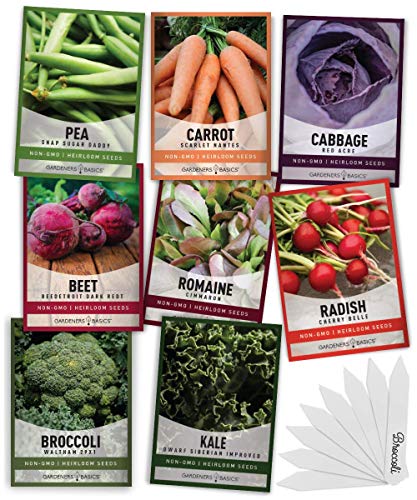
Grow beyond summer: Eight cool-season vegetable varieties for spring and fall gardens, with winter growing in suitable climates or under protection. Match sowing dates to local conditions.

Conclusion
Embrace the changing seasons by exploring a variety of vegetables throughout the year. Supporting local farmers ensures you have access to fresh and flavorful produce. Stay open to trying new options like radishes and turnips during the summer and fall when carrots may be less available. Enjoy the diverse flavors and nutritional benefits that each season brings. Keep your meals exciting by incorporating different seasonal vegetables into your dishes. Stay curious and adventurous in your culinary journey!
Frequently Asked Questions
Recommended Products

They are hardy zones 2-9 however you can plant these in other zones with success.


6 HEIRLOOM ROOT CROP VARIETIES INCLUDED – Danvers Carrot (Daucus carota subsp. sativus), Purple Top Turnip (Brassica rapa subsp. rapa), French Breakfast Radish (Raphanus sativus), White Kohlrabi (Brassica oleracea var. gongylodes), American Purple Rutabaga (Brassica napus var. napobrassica), Detroit Golden Beet (Beta vulgaris subsp. vulgaris)
Why might carrot availability decrease in summer and fall?
During summer and fall, farmers may shift their focus to other seasonal produce, leading to a decrease in carrot availability. Consider trying alternatives like radishes or turnips during these seasons for unique flavors and nutritional benefits.
How can I support local farmers during seasons of decreased carrot availability?
To support local farmers during seasons with limited carrot availability, consider purchasing their other seasonal produce offerings. Embrace the transition to new vegetables in the upcoming season and stay connected with local farmers markets for a variety of fresh options.
What approach can I take when carrot availability is low to ensure I still enjoy fresh and seasonal ingredients?
Stay flexible and open to trying different vegetables when carrot availability is low. Experiment with a variety of produce options and incorporate alternatives like radishes or turnips to continue enjoying fresh and seasonal ingredients in your meals.
