

Ever wondered how many carrots you could grow from just one tiny seed? Picture this: you’re in your backyard, dreaming of a vibrant carrot patch, but you’re not sure where to start. Well, you’re in luck! This article is your go-to guide for unlocking the secrets of carrot cultivation.
Imagine the satisfaction of harvesting a bountiful crop of fresh, homegrown carrots – all from a single seed. With the tips and insights you’ll discover here, you’ll soon be on your way to turning that dream into a reality. Get ready to witness the magic of nature unfold in your own garden, as you learn the art of maximizing your carrot yield from each precious seed.
Get your gardening gloves on and prepare to dive into the world of carrot cultivation! This article is your key to unlocking the potential of every seed you plant, leading you to a harvest that will not only fill your plate but also your heart. Let’s embark on this exciting journey together and watch your carrot patch flourish before your eyes.
Choosing the Right Carrot Variety
When it comes to choosing the right carrot variety for your garden, there are a few key factors to consider. Here are some tips to help you select the perfect carrot variety for a bountiful harvest:
- Look for varieties that are well-suited to your climate and growing conditions.
- Consider the size and shape of the carrots you prefer, whether long and slender or short and stout.
- Keep in mind the flavor profile you desire, whether you enjoy sweet, earthy, or spicy carrots.
- Check the days to maturity to ensure the variety fits your timeline.
By selecting the right carrot variety, you can set yourself up for success in growing a vibrant and abundant crop.
Recommended Products
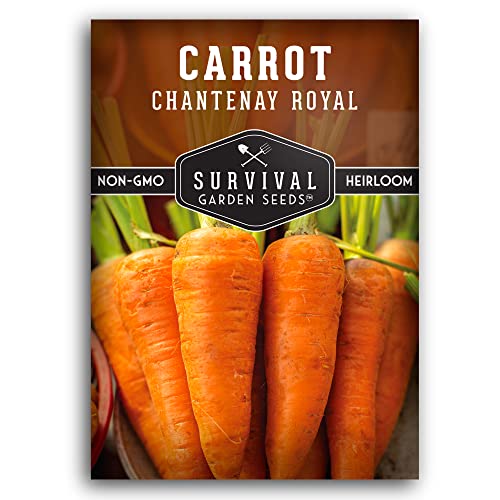
SWEET FLAVOR - Royal Chantenay carrots have rich orange color and a sweet, crisp flavor perfect for roasting, soups, and fresh snacking straight from the garden

Vibrant Colors: Red, purple, white, yellow & orange rainbow carrots; 90%+ germination rate. Rainbow carrot seeds for planting thrive in USDA 3‑11, ideal for growing carrots fresh for juicing & fresh snacks.

HEIRLOOM BABY CARROT VARIETY - Little Finger carrots are small but mighty, producing sweet, crisp roots just 3–4 inches long that are perfect for fresh snacking or gourmet meals
Understanding Carrot Seed Spacing
When planting carrot seeds, proper spacing is key to ensure healthy and robust growth. Here’s why it matters and how you should approach it:
- Space seeds meticulously: Sow carrot seeds thinly to avoid overcrowding, which can lead to stunted growth and oddly shaped carrots.
- Thinning challenges: Carrots need ample space to develop, so if you plant too densely, you may need to thin them out later to give adequate room for each carrot to grow.
- Ideal spacing: Aim for about 2 to 3 inches between seeds to allow enough space for carrots to reach their desired size and shape.
- Consider root size: Space carrots accordingly based on the variety you’ve chosen – larger carrots need more room than smaller varieties.
- Proper depth: Plant seeds at a depth of about 1/4 to 1/2 inch in loose, well-draining soil for optimal germination and growth.
Ensuring proper carrot seed spacing sets the foundation for a successful harvest.
Ideal Soil Conditions for Carrot Growth
To ensure successful carrot growth, it’s crucial to provide ideal soil conditions. Here are some key tips to help you achieve optimal results:
- Well-Draining Soil: Carrots thrive in well-draining soil that allows excess water to flow away, preventing rot and disease.
- Loose Texture: Aim for soil that is loose and friable, allowing young carrot roots to push through with ease for straighter growth.
- Deep Soil: Carrots prefer deep soil to develop long, uniform roots. Ensure the soil is loosened to a depth of at least 12 inches.
- Neutral pH: Maintain a soil pH level between 6.0 and 7.0 for optimal carrot growth and nutrient uptake.
- Organic Matter: Incorporate compost or well-rotted manure into the soil before planting to provide essential nutrients for healthy carrot development.
By following these soil preparation tips, you can create the ideal growing environment for your carrot seeds to thrive and produce a bountiful harvest.
Proper Watering Techniques
When it comes to watering your carrot seeds, consistency is key. Here are some tips to help you properly water your growing carrots:
- Water the soil evenly and consistently to keep it moist but not waterlogged.
- Avoid watering too frequently, as overwatering can cause rot.
- Check the soil moisture regularly by sticking your finger into the soil – if it feels dry, it’s time to water.
- Provide about 1 inch of water per week, either through rainfall or irrigation.
Remember, maintaining the right moisture levels is essential for carrot growth.
Maximizing Carrot Yield
To get the most out of your carrot seeds, thin them to 2 inches apart when they are about 1 inch tall. This helps each carrot grow to its full size without competition.
Consider planting carrot seeds in deep, loose soil that’s free of rocks. This allows the roots to grow deeply and encourages straight, uniform carrots. Loamy soil works best for carrots.
When sowing carrot seeds, mix them with sand to help distribute them evenly. This prevents overcrowding in one spot, leading to a more uniform harvest.
Water your carrot patch regularly, aiming for about 1 inch of water per week. Consistent moisture is key to robust carrot growth.
Avoid planting carrots near weeds, as they can compete for nutrients and water. Keep the carrot patch weed-free to ensure your carrots thrive.
Consider using organic fertilizers to provide essential nutrients to your carrots. Compost or well-decomposed manure can be excellent choices for boosting carrot yield.
Conclusion
You’ve learned valuable tips to boost your carrot harvest. By spacing seeds properly, choosing the right soil, and maintaining ideal growing conditions, you can enhance your carrot yield. Remember, consistent watering, weed control, and organic fertilizers play key roles in nurturing healthy carrots. Implement these strategies to enjoy a bountiful harvest of vibrant, delicious carrots. Happy gardening!
Frequently Asked Questions
Q: How should I plant carrot seeds to maximize yield?
A: Plant carrot seeds 2 inches apart in deep, rock-free soil. Mix seeds with sand for even distribution.
Q: What are the recommended practices for promoting robust carrot growth?
A: Ensure consistent watering, maintain weed-free patches, and use organic fertilizers like compost or manure.
Q: What is the goal of thinning carrot seeds?
A: Thinning carrot seeds helps achieve healthy, uniform carrots and a successful harvest.
