

Ever wondered why your homegrown carrots never quite match the ones at the store? Picture this: you eagerly plant your garden, dreaming of those crisp, vibrant carrots, only to be met with disappointment at harvest time. What if I told you that growing perfect carrots in your own garden is not just a dream, but a very achievable reality? In this article, you’ll uncover the secrets to cultivating carrots that will make you the envy of the neighborhood.
Selecting the Right Carrot Varieties
When choosing carrot varieties for your garden, consider these factors:
- Soil type: Opt for varieties that thrive in your soil type, whether it’s sandy, loamy, or clay.
- Climate: Select varieties suited to your climate, whether you experience hot summers or cooler temperatures.
- Growth period: Choose between early, mid-season, and late season varieties based on when you’d like to harvest your carrots.
- Color and shape: Carrots come in various colors besides the typical orange, such as purple, red, white, and yellow. Select a shape that fits your culinary needs, from cylindrical to round.
- Flavor: Some varieties are sweeter or more robust in flavor. Consider your preference when selecting a type.
- ** Disease resistance**: Certain varieties are more resistant to common carrot diseases, offering a better chance of a successful harvest.
| Important Data | |
|---|---|
| Early Season Varieties | 60-70 days to maturity |
| Mid-Season Varieties | 70-80 days to maturity |
| Late Season Varieties | 80-90 days to maturity |
Recommended Products

HEIRLOOM BABY CARROT VARIETY - Little Finger carrots are small but mighty, producing sweet, crisp roots just 3–4 inches long that are perfect for fresh snacking or gourmet meals
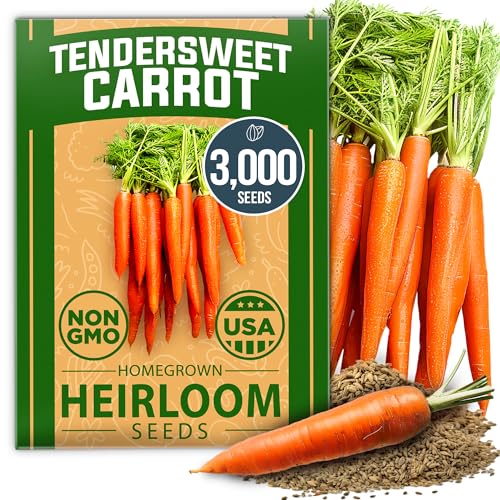
Premium Tendersweet Carrot Seeds: Authentic Open-Pollinated Premium Heirloom Seeds (USA) Non-GMO, Untreated, High Germination Rate. Phenomenal dessert Brix profile. High-impact carotene energy. An outstanding orange monolith for open ground, high ridges, and patio containers. Your garden bed is your pride.

Sweet, Coreless Roots: Heirloom carrots with tender 9-10 inches orange taproots and high sugar content. Grow in 3-10 USDA zones. Great carrots seeds for planting in any home garden.
Preparing the Soil for Carrots
When it comes to growing carrots in your garden, preparing the soil is key to ensuring a successful harvest. Here’s how you can set the foundation for healthy carrot plants:
- Loosen the soil: Begin by loosening the soil in the planting area. Carrots need well-draining soil to develop properly, so ensure there are no compacted areas.
- Remove debris: Clear the area of any rocks, weeds, or other debris that could impede carrot growth. These obstacles can cause carrots to become misshapen or stunted.
- Add compost: Incorporating compost into the soil adds essential nutrients that carrots need to thrive. It also helps improve soil structure, ensuring good drainage.
- Avoid fresh manure: While compost is beneficial, fresh manure should be avoided, as it can promote forked or branched carrot roots.
- Check pH levels: Carrots prefer slightly acidic to neutral soil with a pH between 6.0 and 7.0. Consider testing your soil and amending it if necessary to achieve the right pH balance.
By taking the time to properly prepare your soil before planting, you’ll provide your carrots with the best possible environment for growth and a bountiful harvest.
Planting Carrot Seeds or Seedlings
When deciding how to plant your carrots, keep in mind that carrots grow best when directly sown as seeds into the ground. Here are some key steps to help you plant your carrot seeds or seedlings successfully:
- Choose the Right Time: Plant carrot seeds in early spring or late summer for optimal growth.
- Prepare the Soil: Ensure the soil is loose, free of debris, and enriched with compost for nutrients.
- Sow the Seeds: Plant seeds about half an inch deep and one to two inches apart in rows.
- Thin Out Seedlings: Once seedlings are a few inches tall, thin them to 2-3 inches apart to allow room for carrots to grow.
Remember, proper spacing is crucial to allow carrots to develop fully. Overcrowding can lead to stunted growth and misshapen roots. Start with these steps to set your carrots up for success from the beginning.
Watering and Caring for Carrot Plants
When it comes to watering your carrot plants, consistency is key. Regular watering helps prevent carrots from becoming dry and tough. Aim to provide about 1 inch of water per week, either through rainfall or manual watering.
Here are some tips for caring for your carrot plants to ensure a successful harvest:
- Weeding: Remove weeds regularly to prevent them from competing with your carrots for nutrients.
- Thinning: Once seedlings are a few inches tall, thin them to ensure proper spacing for healthy root development. Aim for 2-3 inches between each plant.
- Mulching: Mulch around your carrot plants to retain moisture, regulate soil temperature, and reduce weed growth.
- Pest Control: Keep an eye out for pests like carrot rust flies and aphids. Consider using row covers or organic pest control methods to protect your plants.
- Fertilizing: Avoid using rich fertilizers high in nitrogen, as they can cause carrots to fork or split. Opt for a balanced fertilizer instead.
By following these care tips, you’ll be on your way to growing healthy and delicious carrots in your garden.
Recommended Products
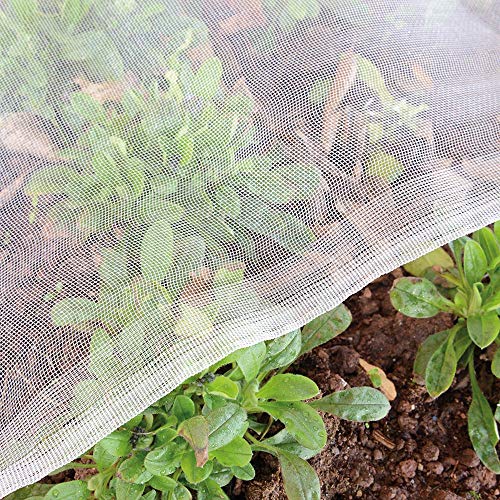
🥬Effective Bug Barrier: Protecting plants and vegetables from a wide range of pest insects and animals, such as cicadas, carrot fly and many species of aphids, you will get a healthier and happier garden

Defend Against Unwanted Visitors: Gardening is a rewarding and fulfilling endeavor, and you'll watch your plants grow from nothing to maturity before you finally harvest them. Once the plants begin to flower and bear fruit, these unwelcome visitors visit your garden and often leave a trail of destruction. Garden netting is the best choice for protecting your plants
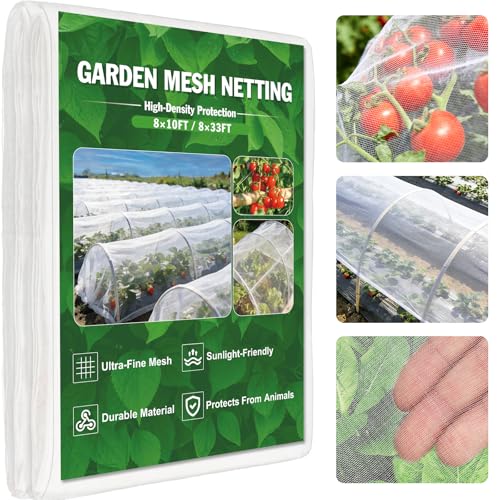
【Upgraded Fine Mesh Netting】This fine mesh garden netting uses 0.7*0.8mm high-density garden insect netting to block, birds, and small animals, offering reliable plant protection netting for vegetables and flowers
Harvesting and Storing Your Carrots
When it comes to harvesting your carrots, timing is key. Carrots are typically ready to be harvested 60-80 days after planting, depending on the variety. Here’s what you need to do:
- Check the Size: Carrots are usually ready when they reach a diameter of about ½ to ¾ inches.
- Loosen the Soil: Before pulling them out, gently loosen the soil around the carrots to make it easier to harvest.
- Pull Carefully: Grasp the green tops near the base and pull the carrots out slowly to avoid breakage.
After harvesting, it’s important to properly store your carrots to ensure they stay fresh and delicious. Follow these tips:
- Remove the Tops: Cut off the green tops about an inch above the carrot to prevent moisture loss.
- Clean and Dry: Brush off excess soil, rinse gently, and allow them to dry completely before storage.
- Use Cold Storage: Carrots can be stored in the refrigerator, preferably in the crisper drawer. They can last 2-4 weeks when stored properly.
For longer-term storage, consider root cellaring or freezing your carrots. In a root cellar, carrots can last several months. Freezing carrots requires blanching them first before placing them in airtight containers or freezer bags.
Recommended Products

Keep Produce Fresh Longer: Produce containers for fridge with lids helps prevent spoilage, keep fruits and vegetables crisp and stay longer.

Contains (1) ProKeeper Produce Keeper, 3-Quart with Stay Fresh Vent
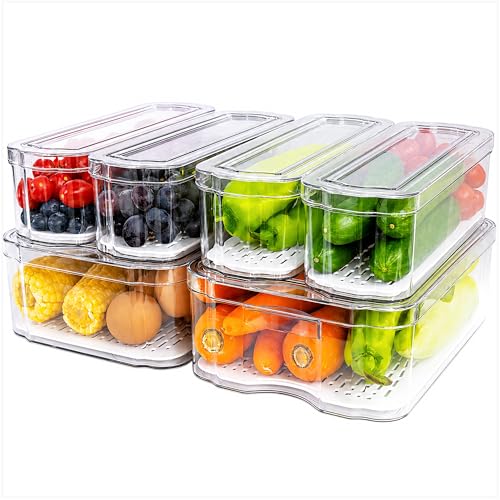
[DRAIN TRAY DESIGN] Keeps produce elevated above water to prevent sogginess and extend freshness; place a paper towel under tray for extra moisture absorption.
Conclusion
You’re now equipped with the knowledge to harvest and store your homegrown carrots like a pro. Remember, the key is to handle them with care to maintain their freshness and flavor. By following the recommended harvesting tips and proper storage techniques, you can enjoy your carrots for weeks to come. Whether you choose to store them in the refrigerator for short-term freshness or opt for long-term options like root cellaring or freezing, you have the flexibility to enjoy your harvest throughout the year. So, get ready to savor the fruits of your labor and impress your family and friends with delicious, homegrown carrots straight from your garden. Happy gardening!
Frequently Asked Questions
When is the best time to harvest carrots?
Harvest carrots when they reach a diameter of ½ to ¾ inches for optimal freshness and flavor.
How should carrots be harvested to prevent damage?
Gently loosen the soil around carrots and pull them carefully to prevent breakage.
What steps should be taken after harvesting carrots?
After harvesting, cut off green tops, clean, and dry the carrots before storing.
How long can carrots be stored in the refrigerator?
Carrots can be stored in the refrigerator for 2-4 weeks.
What are the options for longer storage of carrots?
For longer storage, consider root cellaring or freezing after blanching for several months of freshness.
