

Have you ever wondered why your tomatoes don’t seem to thrive as expected, despite your efforts? Picture this: You’ve diligently planted your tomato seedlings, eagerly anticipating a bountiful harvest, only to be met with lackluster growth and disappointing fruits. Fret not, as understanding the right soil type for tomatoes can make all the difference in your gardening success.
In this article, we’ll explore the crucial role that soil plays in nurturing healthy tomato plants. By discovering the specific soil requirements of tomatoes, you’ll be equipped with the knowledge to create an optimal growing environment for your beloved crop. Get ready to unlock the secrets of soil composition that will pave the way for robust tomato plants and a plentiful harvest.
Key Takeaways
- Tomatoes thrive in well-draining, nutrient-rich soil that is loamy and rich in organic matter.
- Ideal soil pH for tomatoes ranges between 6.0 and 6.8, promoting efficient nutrient absorption.
- Sandy loam or loamy soil types strike a balance between drainage and water retention for optimal tomato growth.
- Adding compost improves soil structure, retains moisture, and enhances nutrient availability for healthy tomato plants.
- Addressing compacted soil by loosening, adding organic matter, and mulching can promote better root growth and plant development.
- Prevent waterlogged conditions by improving drainage, avoiding overwatering, and considering raised beds to minimize risks for tomato plants.
Understanding Tomato Plant Soil Requirements
When it comes to growing healthy tomato plants, understanding the soil requirements is crucial. Let’s delve into why the right soil type is essential for the successful growth of your tomatoes.
Importance of Soil Type for Tomato Growth
The soil type directly impacts the growth and yield of your tomato plants. Tomatoes thrive in well-draining, nutrient-rich soil that provides them with essential nutrients to develop properly. Without the right soil conditions, your tomatoes may struggle to grow, leading to stunted plants and a poor harvest.
Characteristics of Ideal Tomato Soil
The ideal soil for tomatoes is loamy and well-draining, allowing water to move through easily while retaining enough moisture for plant uptake. It should be rich in organic matter, such as compost or aged manure, to provide a steady supply of nutrients throughout the growing season. Additionally, a slightly acidic pH level around 6.0-6.8 creates an optimal environment for tomato plant roots to absorb nutrients efficiently.
By ensuring your tomato plants have access to the right type of soil with these characteristics, you can set them up for success and enjoy a bountiful harvest of delicious tomatoes.
Key Soil Components for Tomato Plants
When it comes to growing healthy tomato plants, understanding the key soil components is essential. Here’s what you need to know:
Recommended Products

Quick, at home results for Soil pH, Nitrogen, Phosphorous and Potash Innovative and inexpensive soil test kit features an easy-to-use capsule system and patented color comparators

Kindly NOTE: This soil tester can not be applied to test pH value of any other liquid. If the soil is too dry the indicator will not move, and water it before testing.

Accurate Soil pH Testing: Dewildetradingco Soil pH Test Strips offer measurements of soil pH levels (pH 3.5-9). As an essential tool for every gardener and grower, these test strips help determine the optimal pH for various plants, such as outdoor plants, indoor plants, gardens, grass lawns, fruit trees, flowers, vegetables, and forest shrubs.
Soil Texture and Tomato Health
The texture of the soil plays a crucial role in the health of your tomato plants. Tomatoes thrive in well-draining soil that allows water to flow through easily, preventing waterlogging that can lead to root rot. Sandy loam or loamy soil types are ideal for tomatoes as they strike a balance between drainage and water retention, ensuring your plants receive adequate moisture without becoming waterlogged.
Soil pH Levels for Optimal Growth
Maintaining the right pH levels in your soil is vital for the optimal growth of tomato plants. Tomatoes prefer slightly acidic soil with a pH range between 6.0 and 6.8. This acidity level promotes nutrient availability in the soil, allowing tomatoes to absorb essential minerals like calcium and magnesium effectively. Regularly testing the pH of your soil and amending it if needed can help create an ideal growing environment for your tomato plants.
By paying attention to these key soil components – texture and pH levels – you can provide your tomato plants with the perfect growing conditions they need to thrive and yield delicious fruits.
Enhancing Soil for Better Tomato Yield
To ensure your tomatoes grow successfully, enhancing the soil is key. Here are essential factors to consider:
Recommended Products

ALL-NATURAL MIX: Burpee Organic Premium Potting Mix is formulated with plant food & coconut coir to promote seed & root growth and healthy flower, vegetable & herb plants. OMRI Listed for organic use.
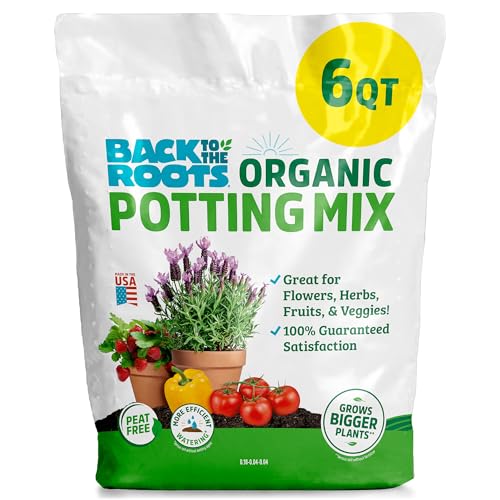
Includes 6qt of Back to the Roots Premium Blend Potting Mix. 100% Organic and Peat-Free, made from upcycled plant matter and wood fines from across the U.S. No imported peat, just better soil with a lighter carbon footprint.

FEEDS UP TO 6 MONTHS: Miracle-Gro Potting Mix is a gardening soil for outdoor containers that feeds all types of potted plants, including flowers, vegetables, shrubs, annuals, and perennials for up to 6 months
Organic Matter and Compost Benefits
Adding organic matter such as compost to your soil provides numerous benefits for tomato plants. This rich material improves soil structure, retains moisture, and enhances nutrient availability. By incorporating compost into your garden beds, you create a thriving environment that supports healthy tomato growth.
Adjusting Soil pH Naturally
Maintaining the correct soil pH level is vital for optimal tomato development. You can naturally adjust the pH by using materials like agricultural lime or sulfur. Testing your soil’s pH and making the necessary adjustments ensures that your tomatoes can efficiently absorb nutrients from the soil, leading to robust growth and bountiful yields.
Common Soil Issues and Solutions for Tomato Plants
When it comes to growing tomatoes, understanding common soil issues and their solutions is crucial for ensuring your plants thrive. Here are some practical tips to help you address potential problems that may arise:
Recommended Products

Includes 2 live Long Red Tomato plants in one pot, approximately 5–8 inches tall and ready for transplanting

Ready-to-Use Formula: No mixing or extra steps required. Simply pour and plant - perfect for gardeners of all experience levels.

🌱 PERFECT FOR ALL PLANTS Versatile all-purpose potting mix designed for indoor plants, outdoor gardening, seeds, herbs, flowers, and vegetables. Ideal for beginners and experienced growers.
Dealing With Compacted Soil
Compacted soil can hinder tomato plant growth by restricting root development and water infiltration. To tackle this issue:
- Loosen the Soil: Break up compacted soil using a garden fork or tiller to improve aeration and drainage.
- Add Organic Matter: Incorporate compost or well-rotted manure into the soil to enhance its structure and promote root growth.
- Mulch Regularly: Mulching around tomato plants helps prevent soil compaction, retains moisture, and regulates temperature.
Preventing Waterlogged Conditions
Excess water in the soil can lead to root rot and other diseases in tomato plants. Follow these steps to prevent waterlogging:
- Improve Drainage: Ensure proper drainage by planting tomatoes in raised beds or adding organic matter like peat moss to enhance soil structure.
- Avoid Overwatering: Water your tomato plants deeply but less frequently to prevent water accumulation around the roots.
- Use Raised Beds: Consider planting tomatoes in raised beds with well-draining soil mixtures to minimize the risk of waterlogging.
By addressing compacted soil and preventing waterlogged conditions, you can create an optimal environment for your tomato plants to flourish and produce healthy, flavorful fruits.
Conclusion
Growing healthy tomatoes begins with providing the right soil conditions. Nutrient-rich, well-draining soil with a slightly acidic pH is essential for optimal growth. Enhancing soil structure through organic matter like compost helps in nutrient availability. Addressing common soil issues such as compaction and waterlogging is crucial for successful tomato cultivation. By implementing solutions like loosening the soil, mulching, and improving drainage, you create an ideal environment for your tomatoes to flourish. Remember, healthy soil leads to healthy plants and bountiful harvests!
Frequently Asked Questions
What are the key soil requirements for growing healthy tomato plants?
To grow healthy tomato plants, it is essential to ensure nutrient-rich, well-draining soil with a slightly acidic pH level. Incorporating organic matter like compost improves soil structure and enhances nutrient availability.
What should be done if the soil becomes compacted or waterlogged when growing tomatoes?
If the soil becomes compacted or waterlogged while growing tomatoes, solutions include loosening the soil, adding organic matter, mulching, improving drainage, avoiding overwatering, and utilizing raised beds to create a conducive environment for optimal plant growth.
