

Ever wondered what type of plant lettuce really is? You’re not alone! Many people enjoy this crisp green in salads and sandwiches but might not know much about its botanical background.
Lettuce is more than just a salad staple; it’s a fascinating plant with a rich history and various types to explore. Understanding its classification can help you appreciate your meals even more and maybe inspire you to grow your own.
In this article, you’ll discover the different types of lettuce and what makes each unique. Whether you’re a seasoned gardener or just curious about your food, you’ll find valuable insights that make lettuce more than just a leafy green.
Key Takeaways
- Lettuce Classification: Lettuce, scientifically known as Lactuca sativa, belongs to the Asteraceae family and includes various species, highlighting its botanical significance.
- Varieties of Lettuce: Common types include Iceberg, Romaine, Butterhead, Leaf Lettuce, and Mixed Greens, each offering unique textures and flavors suitable for different culinary applications.
- Nutritional Benefits: Lettuce is low in calories and high in water content, rich in vitamins A and K, folate, and iron, making it a nutritious addition to your diet.
- Optimal Growing Conditions: Lettuce thrives in cool temperatures (60°F to 70°F), well-draining soil with adequate fertility, making it ideal for spring and fall gardening.
- Culinary Versatility: Lettuce can be used as a salad base, garnished for dishes, or wrapped around proteins, offering endless possibilities for enhancing meals.
- Health Advantages: Incorporating lettuce into your diet supports hydration, digestion, and overall health due to its fiber and antioxidant content.
Overview of Lettuce
Lettuce (Lactuca sativa) is a leafy green vegetable commonly consumed in salads, sandwiches, and wraps. This plant thrives in cool temperatures, making it a popular choice for spring and fall gardening. Lettuce varieties vary significantly in flavor and texture.
Recommended Products

4 Popular Heirloom Lettuce Varieties: Includes Red Romaine, Bibb Butterhead, Black Seeded Simpson, and Green Ice lettuce seeds to grow crisp, tender, and colorful salad greens with balanced flavor, texture, and visual appeal.
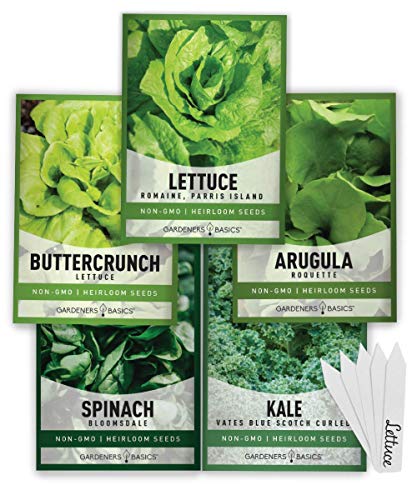
Five leafy greens varieties: Plant Parris Island romaine lettuce seeds, Buttercrunch lettuce seeds, Roquette arugula seeds, Vates Blue Scotch Curled kale seeds, and Bloomsdale spinach seeds. Includes 4,500+ seeds in five separate labeled packets.

15 Herb Seeds Variety Pack – 5100 Seeds Included: Start your own herb garden with this all-in-one heirloom herbs seeds kit. Includes Genovese Basil, Sweet Basil, Italian Oregano, Rosemary, Thyme, Cilantro, Dill, Mint, Sage, Lavender, Chives, Garlic Chives, Parsley, Chervil, and Scallions. Each herb seed packet is USA-sourced and tested for high germination. Grow these herb garden seeds in your backyard, windowsill, raised beds, or pots for fresh flavors all season long.
Types of Lettuce
- Iceberg Lettuce
Iceberg lettuce offers a crisp texture and mild flavor. This variety is widely available in grocery stores and serves as a staple in salads and sandwiches. - Romaine Lettuce
Romaine lettuce features long, upright leaves with a slightly bitter taste. It’s ideal for Caesar salads and adds crunch to various dishes. - Butterhead Lettuce
Butterhead, or Boston lettuce, provides a soft, buttery texture. This variety is often used in wraps and tacos. - Leaf Lettuce
Leaf lettuce includes loose, frilled leaves that come in green or red varieties. It’s versatile and works well in salads and as a garnish. - Mixed Lettuce Greens
Mixed greens are a blend of various lettuce types. You can grow these in home gardens, allowing for diversity in flavor and color.
Culinary Uses
Lettuce serves multiple culinary purposes. You can use it as a salad base, a wrap for meats, or a garnish for sandwiches. Pairing lettuce with other vegetables, nuts, or dressings enhances the flavor and nutrition of your meals.
Growing Lettuce
Growing lettuce at home is straightforward. Here’s how:
- Choose the Right Variety: Select a type of lettuce that suits your taste and climate.
- Plant Seeds: Sow seeds directly in the ground or in containers, about ¼ inch deep.
- Water Regularly: Keep the soil moist but not soggy. This promotes healthy growth.
- Harvest: Pick leaves when they reach desired size, typically 30-60 days after planting.
Nutritional Benefits
Lettuce is low in calories and rich in water content. It’s an excellent source of vitamins A and K, along with folate and iron. Incorporating lettuce into your diet supports overall health.
Botanical Classification
Lettuce belongs to a well-defined botanical classification that provides insight into its characteristics and growing conditions.
Family and Genus
Lettuce is part of the Asteraceae family, also known as the sunflower family. This family includes over 23,000 species, which share traits such as composite flower heads. Within this family, the genus Lactuca encompasses various species, with Lactuca sativa being the most commonly cultivated for consumption. Understanding this classification helps in recognizing lettuce’s relationship with other plants, including sunflowers and daisies.
Species of Lettuce
The species Lactuca sativa consists of different cultivated varieties. These include:
- Iceberg: Known for its dense, crunchy leaves, Iceberg lettuce is a popular choice for salads and sandwiches.
- Romaine: Romaine features long, elongated leaves with a firm texture and a slightly bitter taste, ideal for Caesar salads.
- Butterhead: This variety offers tender, buttery leaves that create a delightful mouthfeel in salads.
- Leaf: Leaf lettuce presents a wide range of colors and shapes, making it versatile in various dishes.
- Mixed Greens: This category includes various young greens and lettuces, often used for adding diverse flavors and textures to dishes.
These species show the diversity within the Lactuca sativa classification, each with unique qualities suitable for different culinary uses.
Growth Conditions
Lettuce thrives under specific growth conditions, enhancing flavor and texture. Understanding these requirements helps you cultivate healthy plants.
Recommended Products

REDEEM 36 SEEDLING CREDITS: Includes a unique QR code to redeem 36 seedling credits for pesticide free, non GMO vegetables, herbs, leafy greens, fruits, and lettuce so you can start growing faster with pre grown seedlings.

🌿Organic and All-Natural Ingredients: Carefully selected to provide your seeds with a healthy, chemical-free start.
Preferred Climate
Lettuce prefers cool weather, growing best in temperatures between 60°F and 70°F (15°C to 21°C). High heat can lead to bolting, where the plant flowers and becomes bitter. For optimal growth, plant lettuce in early spring or fall. If growing in summer, choose heat-resistant varieties to prevent rapid growth and bitterness.
Soil Requirements
Lettuce flourishes in well-draining, fertile soil rich in organic matter. Aim for a soil pH between 6.0 and 7.0. Incorporate compost or aged manure before planting to boost soil nutrients. Ensure adequate drainage to prevent root rot. A loose soil texture allows roots to spread easily and absorb moisture. Adding mulch helps retain soil moisture, keeps weeds at bay, and maintains a stable temperature.
Nutritional Value
Lettuce packs a variety of nutrients in every bite, making it a valuable addition to your diet. Low in calories, lettuce consists mainly of water, making it a great choice for hydration.
Health Benefits
Lettuce offers several health benefits.
- Rich in Vitamins: Lettuce contains vitamins A and K, essential for vision and bone health.
- High in Fiber: The fiber content aids digestion, promoting gut health.
- Antioxidants: Lettuce provides antioxidants that help combat oxidative stress and reduce inflammation.
- Low Caloric Content: With approximately 5 calories per cup (about 36 grams), it promotes weight management without sacrificing volume in meals.
- Supports Hydration: With a high water content (about 95%), lettuce contributes to your daily fluid intake.
Incorporating different varieties, such as Romaine for a richer nutrient profile, can enhance these benefits.
Culinary Uses
Lettuce serves multiple culinary purposes, making it versatile in the kitchen.
- Salad Base: Use lettuce as the foundation for various salads; toss leafy greens with vegetables, nuts, and a dressing.
- Wraps: Substitute tortillas with lettuce leaves for low-carb wraps filled with protein, such as grilled chicken or beans.
- Garnish: Use lettuce as a garnishing agent on plates to enhance presentation; fresh leaves can add color and texture.
- Soups and Stews: Add chopped lettuce to soups and stews toward the end of cooking; it wilts down nicely and adds nutrients.
- Fresh Juices and Smoothies: Blend lettuce into green juices or smoothies for a nutritious boost without overpowering flavors.
These uses showcase lettuce’s ability to elevate a range of dishes while contributing essential nutrients to your meals.
Conclusion
Lettuce is more than just a salad staple; it’s a versatile and nutritious addition to your meals. With its various types and flavors you can easily find the perfect variety to suit your taste. Whether you prefer the crispness of Iceberg or the tenderness of Butterhead there’s a lettuce for every dish.
Growing lettuce at home can be a rewarding experience. With the right conditions and care you can enjoy fresh greens right from your garden. Plus you’ll be reaping the health benefits that come with this leafy vegetable. So why not give it a try? You’ll be amazed at how easy and satisfying it can be to incorporate lettuce into your culinary adventures.
Frequently Asked Questions
Recommended Products
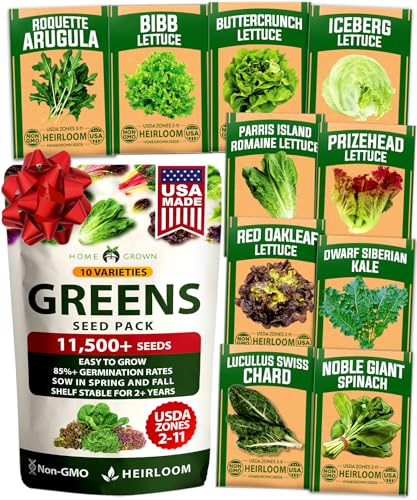
COMPLETE VARIETY PACK: Ten popular lettuce and leafy green varieties; Romaine lettuce seeds, Buttercrunch, Iceberg, Bibb, Red Oakleaf, Prizehead, Kale, Spinach and more; Perfect for organic salad gardens; High 95% germination rate

Complete Lettuce Garden Starter Kit Indoor – 5 heirloom salad and green seed packets, 8 biodegradable soil disks, 8 plant markers, and 8 starter pots. Romaine, Spinach, Arugula, Kale and Buttercrunch lettuce heirloom seeds are the star of the set!

5-Variety Lettuce Seed Collection - Enjoy a continuous harvest of fresh, flavorful greens! This lettuce seed collection includes Black Seeded Simpson, Iceberg, Buttercrunch, Parris Island Cos, and Lolla Rossa Lettuce.
What is the botanical background of lettuce?
Lettuce, scientifically known as Lactuca sativa, belongs to the Asteraceae family. It has a rich history, originally cultivated in ancient Egypt. Today, it has many varieties, each with unique flavors and textures, making it a staple in salads and sandwiches.
What are the different types of lettuce?
There are several popular types of lettuce, including Iceberg, Romaine, Butterhead, Leaf, and Mixed Greens. Iceberg is crispy, Romaine is slightly bitter, Butterhead is soft, Leaf lettuce is versatile, and Mixed Greens provide diverse flavors and textures.
How can I grow lettuce at home?
To grow lettuce, choose a suitable variety, make sure you have well-draining, fertile soil, and plant seeds in a cool climate. Water regularly and harvest when leaves are large enough, typically around 30-60 days after planting.
What are the culinary uses of lettuce?
Lettuce is incredibly versatile. It is commonly used as a salad base, in wraps, as a garnish, and in soups or smoothies. Pairing it with other ingredients can enhance the overall flavor and appeal of meals.
What are the nutritional benefits of lettuce?
Lettuce is low in calories but rich in vitamins A and K, folate, and iron. Its high water content helps with hydration, making it a nutritious addition to a balanced diet while supporting overall health.
