

Are your lettuce plants wilting or turning brown? You’re not alone. Many gardeners struggle with getting the watering just right. Too little water and your plants may dry out; too much can lead to root rot.
Key Takeaways
- Lettuce Watering Balance: Achieving the right balance of water is essential for healthy lettuce plants, preventing issues like wilting or root rot.
- Signs of Watering Issues: Recognize signs of underwatering (drooping leaves, dry soil) and overwatering (yellow leaves, soggy soil) to adjust your watering practices accordingly.
- Best Watering Practices: Water lettuce in the early morning or late afternoon and use methods like soaker hoses or drip irrigation for consistent moisture. Aim for about 1 inch of water per week.
- Effective Tools: Utilize a narrow-spout watering can for precise watering, or a flexible hose with adjustable nozzles for larger gardens to ensure efficient moisture delivery.
- Irrigation Systems: Consider installing drip irrigation or soaker hoses for steady moisture levels, and use automated timers for convenience.
- Common Mistakes to Avoid: Prevent overwatering by checking soil moisture and prefer rainwater over tap water to avoid harmful chemicals for healthier lettuce growth.
Understanding Lettuce Plant Needs
Lettuce plants thrive with the right balance of water, sunlight, and nutrients. Understanding how much and how often to water is crucial for promoting healthy growth.
Recommended Products

Trusted Since 2015: Become one of the many plant lovers who rely on the proven accuracy of XLUX. Established in 2015, our soil moisture meter has earned over 60,000+ verified ratings for its consistent performance. While many many newer brands come and go, we provide the long-term reliability and quality that American households have trusted for over a decade.

【SAVE YOUR PLANTS】: Over watering can cause problems with your plants or even kill them. This soil moisture meter helps you know the soil is dry, moist or wet.No more over watering!

Soil Moisture Meter: This single probe soil moisture meter is specially designed for testing the moisture level in the soil, helps you decide whether the plants need water or not, helps to keep plants alive.
Importance of Proper Watering
Proper watering ensures lettuce plants stay hydrated and nutrient-rich. Consistent moisture supports optimal growth, texture, and flavor. When you provide the right amount of water, you also prevent stress factors that can lead to common issues like wilting or browning.
Signs of Underwatering and Overwatering
Identifying symptoms of underwatering or overwatering helps you adjust your watering routine effectively.
Underwatering Signs:
- Leaves droop or wilt.
- The soil feels dry and crumbly.
- Edges of the leaves turn brown and crispy.
- Leaves become yellow and mushy.
- Soil remains soggy or waterlogged.
- Roots may rot, leading to stunted growth.
Monitoring these signs helps you gauge your watering practices, ensuring your lettuce plants receive just the right amount of moisture.
Best Practices for Watering Lettuce Plants
Proper watering techniques contribute significantly to the health of your lettuce plants. Following these best practices ensures optimal growth and flavor.
Recommended Products

Slowly waters the soil around your plants for complete root zone hydration; Ideal for short runs on flat surfaces, such as vegetable gardens, borders, and around small plants

Higher Cost Performance Provide: enough length soaker hoses to get higher cost performance,and our 1/4 " diameter soaker hose set not only include 100 Ft length soaker hose but also include a rich range of accessories for a variety of uses,help you make custom length soaker hoses cheap & easy.

【Even & Consistent Root Watering】Features micro-pore seepage technology that distributes water evenly along the entire hose, transforming spot watering into uniform line watering directly to plant roots. Unlike traditional drip irrigation systems with clog-prone emitters, this soaker hose creates a continuous moisture band for healthier, deeper-rooted plants
Timing Your Watering
Water lettuce plants in the early morning or late afternoon. Morning watering allows moisture to reach the roots before the heat sets in. Evening watering prevents leaf burn but avoid excess moisture overnight. Monitor weather conditions; adjust your schedule on cloudy or rainy days.
Watering Techniques
Use a soaker hose or drip irrigation system for consistent moisture. These methods deliver water directly to the soil, minimizing waste. Water deeply but infrequently; aim for about 1 inch of water per week. Check soil moisture by sticking your finger into the ground. If it feels dry an inch down, it’s time to water. Avoid overhead watering to reduce the risk of fungal diseases. Apply mulch around the plants to retain soil moisture and regulate temperature.
Tools and Equipment for Effective Watering
Effective watering requires the right tools and equipment. Using the right tools enhances moisture retention and promotes healthy growth for your lettuce plants.
Recommended Products
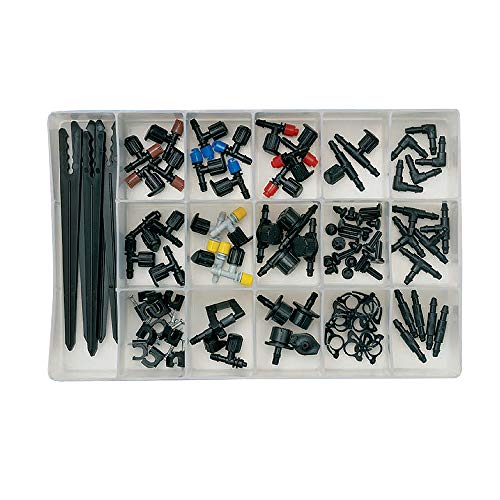
For optimizing plant health by applying water directly at the plant roots

【Upgraded Tube Design & Water Saving】 Our garden watering system is upgraded to 1/2” diameter to support high water pressure. The 1/2” tee connector allows seamless splitting into 2 independent zones for customized watering schedules. By delivering moisture directly to root zones, this drip Irrigation system significantly reduces evaporation and runoff—saving more water compared to conventional sprinklers while eliminating the need for manual watering.
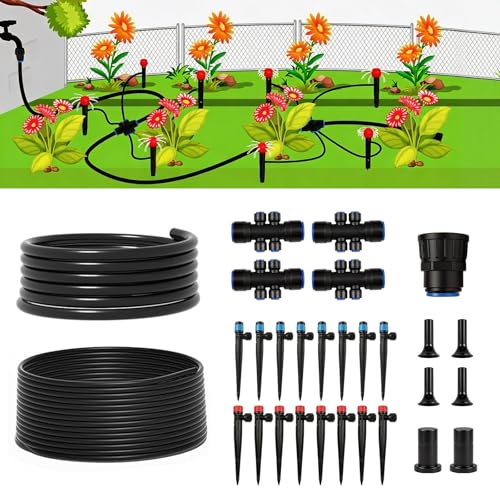
TRUE QUICK CONNECT – NO LEAKS, NO STRUGGLE: Unlike traditional kits that require twisting and force-fitting, our quick-connect design lets you simply push tubing into place. Secure, leak-resistant connections every time — no tools needed.
Choosing the Right Watering Can or Hose
Selecting a suitable watering can or hose plays a crucial role in watering efficiently.
- Watering Can: Choose one with a narrow spout for precise watering. This prevents over-saturation and allows you to direct water to the base of each plant.
- Hose: Opt for a flexible garden hose that is long enough to reach all areas of your garden. Look for hoses with adjustable spray nozzles for varied watering needs.
Consider the size of your garden when selecting. For larger areas, a hose may be more efficient, while a watering can works well for smaller patches or container plants.
Irrigation Systems for Lettuce Gardens
Installing an irrigation system simplifies the watering process and ensures consistent moisture levels.
- Drip Irrigation: This system delivers water directly to the root zone through a network of tubes and emitters. It minimizes evaporation and waste, making it perfect for lettuce plants that prefer steady moisture.
- Soaker Hoses: Lay soaker hoses along the rows of your lettuce. These hoses release water gradually and evenly into the soil, helping to maintain consistent moisture.
- Automated Timers: Pair your irrigation system with timers. Set them to water early in the morning or late afternoon for optimal results.
Choosing the right irrigation method helps you manage watering easily, ensuring your lettuce gets just the right amount of moisture.
Common Mistakes to Avoid
Avoiding common mistakes helps ensure healthy and thriving lettuce plants. Pay close attention to these frequent errors.
Overwatering Lettuce Plants
Overwatering leads to root rot and wilting. Check the soil moisture before watering. Soil should feel slightly dry an inch deep. Lettuce plants prefer consistently moist soil, not soggy conditions. If you consistently see yellowing leaves or mushy roots, reduce your watering frequency. Using tools like moisture meters can guide your watering schedule.
Using Tap Water vs. Rainwater
Using tap water can introduce chlorine and other chemicals that may harm lettuce plants. Rainwater offers a natural source of nutrients. Collect rainwater in barrels for use in your garden. If using tap water, let it sit out for 24 hours before applications to allow chemicals to dissipate. Always consider your local water source and adjust your watering method accordingly for the best results.
Conclusion
Taking care of your lettuce plants can be a rewarding experience when you get the watering just right. By understanding their needs and keeping an eye on soil moisture you can help them thrive and produce delicious, crisp leaves.
Remember to adjust your watering routine based on the weather and use the right tools to make the process easier. With a little attention and care your lettuce will flourish and provide you with a bountiful harvest. Happy gardening!
Frequently Asked Questions
What are common problems with lettuce plants?
Lettuce plants often face issues like wilting, browning, and poor growth, typically caused by improper watering. Understanding their specific needs is crucial for healthy development.
How can I tell if my lettuce is underwatered?
Signs of underwatering include wilting leaves and dry, crumbly soil. If your lettuce appears limp or droopy, it’s time to water them more thoroughly.
What indicators suggest my lettuce is overwatered?
Overwatered lettuce shows signs like yellowing leaves, mushy stems, and root rot. If the soil feels constantly wet, reduce your watering frequency.
When is the best time to water lettuce plants?
The ideal times to water lettuce are early morning or late afternoon. This timing helps minimize evaporation and allows the plants to absorb moisture effectively.
What watering techniques should I use for lettuce?
Using soaker hoses or drip irrigation is best for consistent moisture delivery. Check soil moisture regularly to adjust watering as needed.
Should I avoid overhead watering for lettuce?
Yes, it’s best to avoid overhead watering, as it can lead to leaf diseases and does not provide even moisture to the soil.
How can mulch help my lettuce plants?
Applying mulch around lettuce plants helps retain soil moisture and regulate temperature. It also reduces weed growth that competes for nutrients.
What tools do I need for watering lettuce?
Use a watering can or hose with features for precise watering. Tools like drip irrigation systems and timers help manage watering efficiently.
How does weather affect my lettuce watering schedule?
Adjust your watering schedule based on weather conditions. On hot days, lettuce may need more frequent watering, while cooler days may require less.
Is rainwater better for my lettuce than tap water?
Rainwater is often better due to its natural nutrients and lack of chemicals. If using tap water, let it sit out for a few hours to dissipate chemicals before use.
