

Are you struggling to grow crisp, vibrant lettuce in your garden? You’re not alone! Many gardeners face the challenge of finding the right fertilizer to boost their lettuce’s growth and flavor. With so many options out there, it can feel overwhelming trying to figure out what works best.
Key Takeaways
- Nutrient Balance is Key: Lettuce thrives on a balanced supply of macronutrients (nitrogen, phosphorus, potassium) and micronutrients (calcium, magnesium, iron) to support growth and flavor.
- Organic vs. Synthetic Fertilizers: Both organic options (compost, fish emulsion, bone meal) and synthetic fertilizers (granular, liquid) can effectively promote lettuce health, each with distinct benefits.
- Soil Testing Is Essential: Conducting a soil test helps identify existing nutrient levels, allowing for tailored fertilizer applications for optimal growth.
- Timing and Frequency Matter: Fertilizing before planting and every 4-6 weeks during the growing season maximizes nutrient uptake and ensures robust growth.
- Choose Appropriate Products: Select fertilizers that are specifically formulated for leafy greens, considering both their nutritional content and application method.
- Monitor Growth Regularly: Keep a close eye on plant health and make adjustments to your fertilization strategy based on the specific needs of the lettuce throughout its growth stages.
Overview of Lettuce Nutrition
Lettuce thrives on a balanced nutritional profile that affects its growth, flavor, and overall quality. Understanding its nutrient requirements helps in selecting the right fertilizer.
Macronutrients
- Nitrogen: Nitrogen promotes leafy growth and enhances green color. It’s essential for robust foliage development. Use nitrogen-rich fertilizers, like those with a higher first number in N-P-K ratios.
- Phosphorus: Phosphorus supports root development and helps in flowering. Though lettuce is leaf-centric, adequate phosphorus enhances overall plant health. Opt for fertilizers with balanced phosphorus levels.
- Potassium: Potassium contributes to disease resistance and improves the overall vigor of lettuce. Fertilizers with potassium can help maintain turgor pressure in plant cells.
Micronutrients
- Calcium: Calcium strengthens cell walls and prevents issues like tip burn. It’s vital for structural integrity. Amend soil with calcium sources if needed.
- Magnesium: Magnesium aids in chlorophyll production and helps in photosynthesis. Choose a fertilizer that contains magnesium for vibrant green leaves.
- Iron: Iron is crucial for chlorophyll synthesis. A deficiency can lead to yellowing leaves. Foliar sprays can quickly address iron deficiency.
Soil Testing
Perform a soil test to determine existing nutrient levels. This helps customize your fertilizer choice. Soil tests guide proper amendments and ensure balance.
- Timing: Apply fertilizers before planting and during growth phases. Regular feeding supports continuous growth.
- Frequency: Fertilize every 4-6 weeks during the growing season. Frequent, smaller applications can enhance nutrient uptake.
- Type: Use organic options like compost, fish emulsion, or well-rotted manure. These not only provide nutrients but also improve soil structure.
Understanding lettuce’s nutritional needs boosts your gardening success. By selecting appropriate fertilizers and applying them correctly, you cultivate healthy, flavorful lettuce.
Types of Fertilizers
Choosing the right fertilizer for lettuce can enhance its growth and flavor. Understanding the types of fertilizers available helps you make informed decisions.
Recommended Products

For Organic Gardening: Certified by OMRI for organic use, this organic fish fertilizer is trusted by gardeners who value natural growing practices
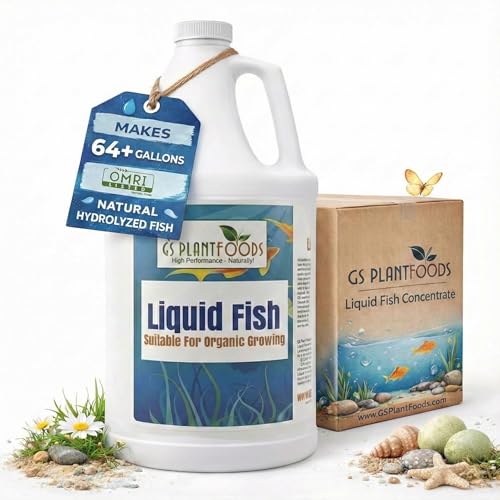
OMRI CERTIFIED Organic Materials Review Institute Listed for Organic Production Approved as GS Plant Foods Organic Liquid Fish Concentrate 2-3-1. Suitable for organic growing under OMRI and NOP standards.

ORGANIC FISH EMULSION FERTILIZER - Our liquid fish fertilizer is made from sustainably sourced fish emulsion and we use up all the parts that would otherwise go to waste. Using an environmentally conscious method, ingredients are refined fresh and 100% cold pressed to help retain all of the nutrients, vitamins, and amino acids needed to grow healthy plants.
Organic Fertilizers
Organic fertilizers are derived from natural sources. They improve soil health while providing essential nutrients. Common examples include:
- Compost: Well-decomposed organic matter enriches soil, adds nutrients, and improves moisture retention.
- Worm Castings: Rich in nutrients, worm castings promote healthy growth and enhance soil structure.
- Fish Emulsion: This liquid fertilizer delivers a balanced nutrient profile, especially nitrogen, promoting leafy growth.
- Bone Meal: High in phosphorus, bone meal supports root development and flowering.
When using organic fertilizers, apply them before planting or as a side dressing around growing plants, following package recommendations for quantity.
Synthetic Fertilizers
Synthetic fertilizers provide a concentrated source of nutrients. They can enhance plant growth rapidly but require careful usage. Common types include:
- Granular Fertilizers: These slow-release options provide nutrients over time, ensuring steady growth. Look for formulations with a higher nitrogen ratio, like 10-5-5.
- Liquid Fertilizers: These fast-acting solutions deliver nutrients quickly. Use them during the growing season to address any nutrient deficiencies.
- Fertilizers with Micronutrients: Formulations containing calcium, magnesium, and iron are beneficial for overall health. Brands often provide a balanced mix of macronutrients for best results.
Follow application rates specified on the label, and avoid over-fertilization to prevent nutrient runoff, which harms the environment and your plants.
Nutrient Requirements for Lettuce
Lettuce thrives with a balanced supply of nutrients. Understanding its requirements helps you select the right fertilizer for optimal growth.
Recommended Products

High Phosphorus & Potassium Fertilizer – Designed to deliver elevated phosphorus and potassium for targeted plant support.

High Phosphorus & Potassium Fertilizer – Designed to deliver elevated phosphorus and potassium for targeted plant support.

General Purpose 20-20-20 Nitrogen Phosphorus and Potassium Elemental Universal Water Soluble Flower Plant Fertilizer fruits vegetables to promote plant rooting germination flowering and fruiting
Nitrogen
Nitrogen promotes lush, leafy growth in lettuce. It’s crucial for chlorophyll production, directly influencing the plant’s ability to photosynthesize. Aim for a nitrogen-rich fertilizer with a ratio featuring higher numbers, such as 10-5-5. Organic sources like compost or fish emulsion supply nitrogen gradually, benefitting soil health. Fertilize before planting or side dress during the growing season to maintain consistent nitrogen levels.
Phosphorus
Phosphorus strengthens root development and overall plant vigor. It’s vital during the early stages of growth. Select fertilizers with moderate phosphorus content, such as 5-10-5. Bone meal serves as an excellent organic option, offering slow-releasing phosphorus. Apply it during soil preparation or as a side dressing when seedlings establish themselves.
Potassium
Potassium enhances disease resistance and improves overall plant health. It supports cell function and helps the plant handle stress. Choose fertilizers with moderate potassium levels, like 5-5-10. Organic sources include greensand or kelp meal. Application occurs during planting or as a supplement when plants show signs of stress.
By focusing on these three key nutrients—nitrogen, phosphorus, and potassium—you ensure your lettuce gets the essential elements for strong growth and delicious flavor.
Best Fertilizers for Lettuce Growth
Selecting the right fertilizer boosts your lettuce’s growth and flavor. Here are the best options available for different scenarios.
Recommended Products

Supports Lush Growth: True Organic Herb & Leafy Greens Food enhances the growth of vibrant, organic herbs and leafy greens for your garden or kitchen.

Encourages Rapid Growth: True Organic Blood Meal is perfect for heavy feeders like corn, spinach, broccoli, and leafy greens, promoting vigorous vegetative growth.

For more nutritious and tasty vegetables
Recommendations for Home Gardeners
- Compost: Create a nutrient-rich blend from kitchen scraps and yard waste. Apply it to improve soil structure and add organic matter.
- Worm Castings: Use worm castings for a gentle nutrient supply. Incorporate them into the soil at planting or as a side dressing.
- Fish Emulsion: Utilize fish emulsion as a nitrogen source during early growth stages. Dilute according to package instructions and apply every few weeks.
- Bone Meal: Integrate bone meal into your soil at planting time for steady phosphorus release, promoting root development.
- Organic All-Purpose Fertilizers: Look for balanced organic options like 4-4-4 or similar. Follow manufacturer guidelines for application rates.
- Granular Synthetic Fertilizers: Choose a high-nitrogen formula like 20-10-10 for greenhouse production. Apply at planting and during critical growth stages.
- Liquid Fertilizers: Opt for liquid options with a balanced NPK ratio, applying every two weeks. This method allows for quick nutrient absorption.
- Specialized Crop Fertilizers: Use fertilizers designed specifically for leafy greens, which often contain micronutrients tailored to enhance lettuce quality.
- Soil Testing Kits: Invest in soil testing kits to regularly monitor nutrient levels, adjusting fertilizer application based on precise data.
- Fertigation Systems: Implement fertigation for precise nutrient delivery through irrigation systems, ensuring consistent feeding during growth cycles.
Conclusion
Growing healthy and flavorful lettuce doesn’t have to be a daunting task. By understanding your plants’ nutritional needs and selecting the right fertilizer, you can create a thriving garden. Whether you choose organic options like compost and fish emulsion or synthetic fertilizers, remember to follow recommended application rates to avoid any pitfalls.
Regularly testing your soil will help you make informed decisions about nutrient levels, ensuring your lettuce gets exactly what it needs. With a little attention and care, you’ll be well on your way to enjoying a bountiful harvest of crisp and delicious lettuce. Happy gardening!
Frequently Asked Questions
What are the essential nutrients for growing lettuce?
Lettuce requires several key nutrients, primarily macronutrients like nitrogen, phosphorus, and potassium. Nitrogen promotes leafy growth, phosphorus supports root development, and potassium enhances disease resistance. Additionally, micronutrients such as calcium, magnesium, and iron are essential for overall plant health and structural integrity.
How do I choose the right fertilizer for lettuce?
Selecting the right fertilizer involves understanding your soil’s current nutrient levels, which can be determined through soil tests. Based on the results, you can choose between organic options like compost and fish emulsion or synthetic fertilizers that are high in nitrogen, phosphorus, and potassium.
When should I apply fertilizer to my lettuce?
Fertilizer application depends on the growth stage of your lettuce. For best results, it’s recommended to apply organic fertilizers before planting or as a side dressing during the growth period. For synthetic options, follow the packaging instructions for frequency and timing to avoid over-fertilization.
Can I use organic fertilizers for lettuce?
Yes, organic fertilizers are highly beneficial for lettuce. Options like compost, worm castings, fish emulsion, and bone meal enhance soil health and provide essential nutrients. They are ideal for improving nutrient availability and maintaining a balanced ecosystem in the garden.
How often should I fertilize lettuce?
Fertilization frequency varies based on the type of fertilizer used. Organic fertilizers typically require application every few weeks as a side dressing. For synthetic fertilizers, follow the manufacturer’s recommendations, usually allowing several weeks between applications to prevent nutrient burn.
What are some recommended fertilizers for lettuce?
For optimal lettuce growth, consider using compost and worm castings for soil structure, along with fish emulsion for nitrogen and bone meal for phosphorus. For synthetic options, high-nitrogen granular formulas and balanced liquid fertilizers are advisable for effective nutrient delivery.
Is it necessary to test the soil before fertilizing?
Yes, soil testing is highly recommended before applying fertilizers. It helps identify existing nutrient levels, ensuring you choose the right type and amount of fertilizer. This prevents over-fertilization and promotes healthier, more productive lettuce growth.
