

Are you struggling to find the perfect environment for your tomato plants to thrive? Picture this: you’ve carefully selected the best tomato varieties, but they’re not reaching their full potential. What could be missing in their growth equation?
In this article, we’ll explore the essential elements needed to create an ideal growing medium for your tomato plants. By understanding what to grow tomato plants in, you can ensure they receive the nutrients and support necessary for healthy development. Ready to unlock the secrets to bountiful harvests and vibrant tomatoes? Let’s dive into the world of optimal growing conditions for your beloved tomato plants.
Key Takeaways
- Select containers with proper drainage, adequate size, and good aeration for optimal growth of tomato plants.
- Choose the right soil that is well-draining, nutrient-rich, slightly acidic, and contains organic matter for healthy root development.
- Ensure proper drainage in planting vessels to prevent waterlogging and root rot by using containers with drainage holes and adding materials like rocks or perlite.
- Understand the essential nutrients required for tomato plants such as nitrogen, phosphorus, potassium, calcium, and magnesium for robust growth.
- Fertilize tomato plants with a balanced fertilizer sparingly and monitor plant response to ensure they receive the necessary nutrients without over-fertilizing.
Choosing the Right Container for Tomato Plants
When selecting containers for your tomato plants, there are several factors you should consider to ensure optimal growth and yield.
Recommended Products

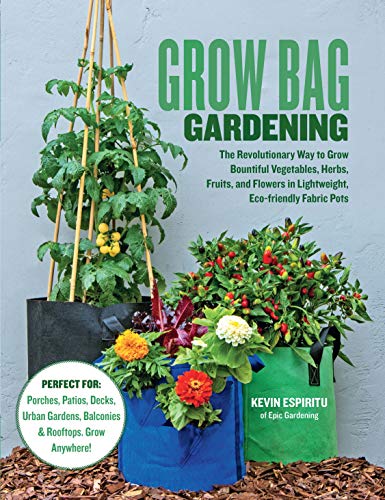
Sturdy Fabric Material: Made of 300g of thickened nonwoven fabric, these pots are moderately permeable, and BPA-free
Factors to Consider When Selecting Containers
- Size: Choose containers that provide ample space for the tomato plant’s root system to grow without being cramped.
- Drainage: Opt for containers with drainage holes to prevent waterlogging, which can lead to root rot.
- Material: Select containers made of durable materials like plastic, ceramic, or fabric that can withstand outdoor conditions.
- Portability: Consider the weight of the container and ease of moving it around if needed.
- Aeration: Look for containers that allow air circulation around the roots to promote healthy growth.
- Plastic Pots: Lightweight and affordable, plastic pots are available in various sizes suitable for different tomato varieties.
- Fabric Grow Bags: These breathable bags promote air pruning of roots and come in sizes ranging from small for cherry tomatoes to large for beefsteak varieties.
- Ceramic Planters: Ideal for adding aesthetic appeal to your garden, ceramic planters provide good insulation but may be heavier than other options.
Remember to match the container size with the tomato plant variety you’re growing, ensuring sufficient space for root development and stability as they mature.
Soil Preparation for Tomato Plants
To ensure your tomato plants thrive, proper soil preparation is key. Here’s what you need to know:
Recommended Products

🌿 Balanced 10-10-10 Granular Fertilizer for Outdoor & Indoor Plants: All-purpose plant food with 10% Nitrogen, 10% Phosphorus, and 10% Potassium. Perfect for outdoor vegetable gardens, fruit trees, evergreens, shrubs, lawns, and flowers. Also great for potted plants and indoor gardening. One solution for all your plant needs!

The information below is per-pack only
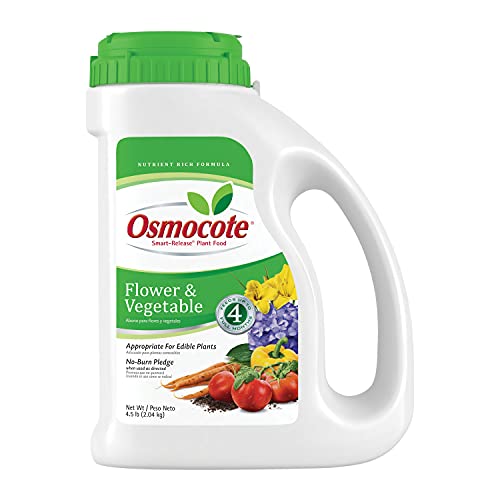
Promotes vigorous top-growth, strong root development
Characteristics of Ideal Soil for Tomatoes
For optimal growth, the ideal soil for tomato plants should be well-draining, nutrient-rich, and slightly acidic. Aim for a pH level between 6.0 and 6.8. A loamy soil texture is preferred as it offers good drainage while retaining moisture essential for plant health.
When selecting or preparing soil for tomatoes, look for options that contain organic matter like compost or aged manure. These components enrich the soil with essential nutrients and promote healthy root development.
Consider adding perlite or vermiculite to improve aeration and drainage in heavier soils. This helps prevent waterlogging, which can lead to root rot in tomato plants.
How to Mix Your Own Tomato Plant Soil
Mixing your own tomato plant soil allows you to customize it based on your plant’s specific needs. Here’s how you can create a nutrient-rich blend:
- Start with a base of high-quality potting mix that provides good structure and drainage.
- Add compost or well-rotted manure to enhance the soil with organic matter and nutrients.
- Incorporate perlite or vermiculite to improve aeration and prevent compaction.
- Consider adding a slow-release fertilizer formulated for tomatoes to ensure consistent nutrition throughout the growing season.
By mixing your own tomato plant soil, you can tailor it to meet the requirements of your specific tomato varieties while providing them with the best possible growing medium for healthy development.
Importance of Proper Drainage
When growing tomato plants, having proper drainage is crucial for their health and growth. Without adequate drainage, excess water can accumulate in the soil, leading to root rot and other issues that can harm your plants.
Choosing Containers With Good Drainage
Select containers that have drainage holes at the bottom to allow excess water to escape. This prevents waterlogging and ensures that your tomato plants’ roots have access to oxygen, promoting healthy growth. Containers made of materials like plastic, ceramic, or fabric are ideal choices for good drainage.
Ways to Enhance Drainage in Planting Vessels
To improve drainage in your planting vessels further, you can add a layer of small rocks or pebbles at the bottom before adding soil. This helps create space for water to drain away from the roots effectively. Additionally, mixing perlite or coarse sand into the soil can enhance aeration and prevent water from pooling around the roots.
By focusing on proper drainage in your choice of containers and enhancing it with simple techniques, you provide an optimal environment for your tomato plants to thrive.
Nutrient Requirements
To ensure your tomato plants thrive, it’s essential to understand their nutrient requirements. Providing the right balance of nutrients is crucial for healthy growth and a bountiful harvest.
Essential Nutrients for Tomato Growth
Tomato plants have specific nutrient needs to reach their full potential. Here are the key nutrients essential for robust tomato growth:
- Nitrogen: Promotes leafy green growth.
- Phosphorus: Supports strong root development and fruit production.
- Potassium: Aids in overall plant health and disease resistance.
- Calcium: Prevents blossom end rot in fruits.
- Magnesium: Essential for chlorophyll production.
Ensuring your tomato plants receive these vital nutrients will help them grow vigorously and produce delicious fruits.
Tips for Fertilizing Tomato Plants
Fertilizing your tomato plants correctly is crucial for optimal growth. Here are some tips to help you fertilize your tomato plants effectively:
- Choose the Right Fertilizer: Use a balanced fertilizer with equal parts nitrogen, phosphorus, and potassium (e.g., 10-10-10).
- Apply Fertilizer Sparingly: Over-fertilizing can harm your plants; follow package instructions carefully.
- Timing Matters: Start fertilizing when the first flowers appear, then every two weeks during the growing season.
- Consider Organic Options: Organic fertilizers can provide slow-release nutrients that benefit soil health over time.
- Monitor Plant Response: Watch how your plants respond to fertilizer; adjust amounts if leaves start turning yellow or show signs of nutrient deficiency.
By following these tips, you’ll be able to provide your tomato plants with the necessary nutrients they need to thrive and yield a plentiful harvest.
Conclusion
You now have the key elements to cultivate thriving tomato plants. By focusing on suitable containers, optimal soil conditions, and essential nutrients, you can set your plants up for success. Remember the importance of good drainage, nutrient-rich soil, and maintaining slightly acidic pH levels. Providing necessary nutrients like nitrogen, phosphorus, potassium, calcium, and magnesium will ensure your tomato plants flourish. With these insights in mind, you’re ready to create an ideal environment for your tomato plants to thrive and yield a plentiful harvest. Happy growing!
Frequently Asked Questions
Q: What are the key factors to consider when selecting containers for growing tomato plants?
A: Choose containers with adequate drainage holes, at least 5 gallons in size, and made of non-toxic materials like plastic or ceramic.
Q: How should I prepare the soil for planting tomato plants?
A: Ensure the soil is well-draining, nutrient-rich, and slightly acidic (pH 6-7) by amending it with compost or organic matter before planting.
Q: What essential nutrients do tomato plants need for healthy growth?
A: Tomato plants require nitrogen for leafy growth, phosphorus for root development, potassium for fruiting, calcium for cell structure, and magnesium for chlorophyll production.
Q: How can I effectively fertilize my tomato plants to ensure they receive the necessary nutrients?
A: Use a balanced fertilizer with equal parts nitrogen, phosphorus, and potassium or choose a specialized tomato fertilizer following package instructions. Apply fertilizer evenly around the base of the plant every 2-3 weeks during the growing season.
