

Are you wondering what to plant next to your lettuce? You’re not alone! Many gardeners face the challenge of maximizing their garden space and ensuring their plants thrive together. The right companion plants can boost your lettuce’s growth and even deter pests.
Key Takeaways
- Companion Planting Benefits: Planting compatible companions like radishes, carrots, and garlic can enhance lettuce growth, deter pests, and improve soil health.
- Optimal Companions: Radishes, carrots, garlic, nasturtiums, and onions are excellent choices for planting alongside lettuce, as they offer various benefits without competing for resources.
- Plants to Avoid: Steer clear of celery, cucumbers, potatoes, bolting radishes, and nightshades, as these can hinder lettuce growth or attract harmful pests.
- Soil Health: Maintain nutrient-rich soil with a pH of 6.0 to 7.0 and incorporate organic matter, ensuring an optimal environment for lettuce and its companions.
- Garden Layout: Strategically plan spacing and arrangement to provide adequate sunlight and air circulation, while maximizing garden space with fast and slow-growing plants.
- Monitoring and Adjustments: Regularly check plant growth and adjust spacing as necessary to maintain a thriving garden atmosphere for your lettuce.
Companion Plants for Lettuce
Companion planting enhances lettuce growth and helps manage pests. Selecting suitable partners ensures a thriving garden ecosystem.
Recommended Products
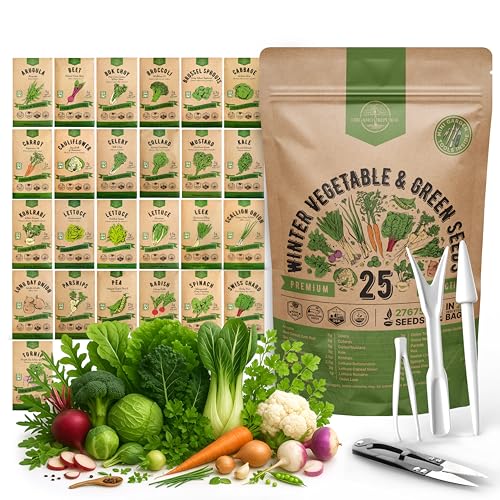
Gardening Kit: 25 Winter Vegetable & Greens Garden Seeds Variety Pack NON GMO Heirloom Seeds LESS THAN $1.00 PER SEED VARIETY PACK 27,675+ seeds including: Arugula, Beet Detroit Dark Red, Bok Choy, Broccoli, Brussel Sprouts, Cabbage, Carrot Imperator 58, Cauliflower, Celery, Collards, Curled Mustard, Kale, Kohlrabi, Buttercrunch, Oakleaf Green, Romaine, Leek, Tokyo Long White Scallion, Walla Walla, Parsnip, Pea, Radish Cherry Belle, Spinach, Swiss Chard, Turnip

The Best Value - Organo Republic Radish Seeds Pack contains 10 g or 1200 Non-GMO heirloom radish seeds. Radish Cherry Belle (Raphanus sativus) is known for its peppery flavor, and is the perfect addition to fresh vegetable dishes or culinary creations.
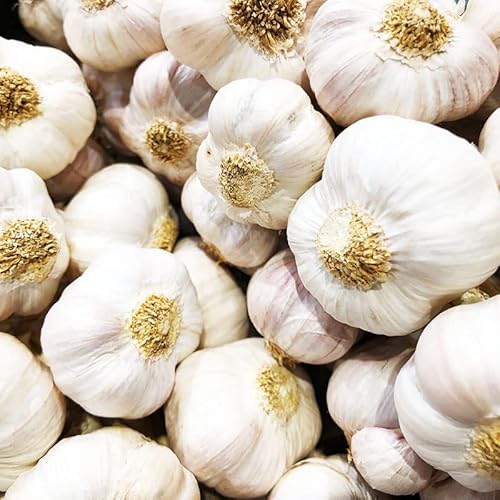
Bold, Rich Flavor: Known for their robust, spicy taste that intensifies when cooked—perfect for roasting, sautés, and garlic-infused oils.
Benefits of Companion Planting
Companion planting offers multiple benefits for lettuce cultivation. First, it promotes healthier growth by providing shade, thus protecting lettuce from bolting in hot weather. Second, it attracts beneficial insects, which prey on pests that harm lettuce. Lastly, some plants enhance soil nutrients, benefiting the growth of neighboring crops.
Best Companion Plants for Lettuce
Consider these plants for pairing with lettuce:
- Radishes: Radishes grow quickly and create space for lettuce. They can deter pests like aphids, benefiting your lettuce.
- Carrots: Carrots’ deep roots don’t compete with the shallow roots of lettuce. Planting them together maximizes garden space.
- Garlic: Garlic produces a natural pest repellent. Its strong scent helps keep pests like aphids away from your lettuce.
- Nasturtiums: These flowers attract pollinators while deterring pests. They add beauty to your garden and enhance lettuce’s growth.
- Onions: Onions can combat aphids and other pests. Their growth doesn’t interfere with lettuce, allowing for efficient use of space.
Integrating these companion plants creates a diverse, resilient garden space where lettuce thrives.
Plants to Avoid Near Lettuce
You might enhance your lettuce garden by avoiding certain plants that hinder growth or attract pests. Understanding which plants to steer clear of helps maintain a healthy environment for your lettuce.
Recommended Products

Rich, green leaves form a beautiful rosette

White hearts, leaves have crispy, sweet flavor, with Miracle-Gro Pour & Feed Singles Ready-to-Use Plant Food 4-pack for your garden; trust the experts with more than 200 years of experience
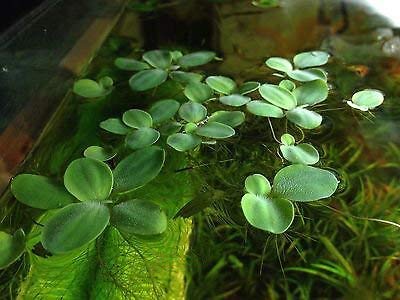
12 Dwarf Water Lettuce, Pistia stratiotes, Live Aquarium/Floating/Aquatic Plant
Reasons to Avoid Certain Plants
Interference with growth occurs when incompatible plants share space. Some plants compete for essential nutrients, while others release chemicals that stunt lettuce development. Whichever the issue, selecting the wrong neighbors can limit your lettuce’s potential.
- Celery: Competes for nutrients and can lead to slower lettuce growth.
- Cucumbers: They may attract pests that can damage lettuce, such as aphids.
- Potatoes: They are known to harbor diseases that could spread to your lettuce.
- Radishes: While beneficial when grown alongside lettuce, they can become problematic if they bolt, competing for space and nutrients.
- Nightshades: These include tomatoes and peppers, which attract similar pests that can harm lettuce.
By being aware of these plants, you can create a thriving garden that promotes healthy lettuce growth.
Tips for Growing Lettuce with Companion Plants
Growing lettuce alongside companion plants enhances growth and creates a balanced ecosystem. Here’s how to make it work effectively.
Recommended Products

IDEAL GIFTS FOR MEN, WOMEN - Our gardening tools set is the ultimate gift for any men women who loves to garden. Including rust-proof and durable tools, this set ensures she has everything she needs for a flourishing garden. The ergonomic design makes it comfortable to use, making it a thoughtful gift for wife, mom, daughter, or grandma.


3-IN-1 ESSENTIAL GARDENING SET: Heavy duty, ergonomic hand trowel, transplanter, and cultivator garden tool set; Ideal for a variety of gardening tasks like digging in tough soil, weeding, turning soil, aerating, transplanting, and more to encourage overall plant health and appearance
Soil and Nutrient Considerations
Maintain healthy soil for optimal lettuce growth. Test your soil’s pH; lettuce thrives in a range of 6.0 to 7.0. Add organic matter like compost to improve soil structure and nutrient density.
Choose companion plants that complement lettuce’s nutrient needs. For instance, radishes and carrots require less nitrogen than lettuce, allowing them to grow well without competing for resources. Garlic can also help by repelling pests while enriching the soil with beneficial nutrients, enhancing your lettuce’s growth.
Spacing and Arrangement
Plan your garden layout carefully. Space lettuce about 12 inches apart to allow air circulation and sunlight access. Position companion plants strategically. For example, place taller plants like garlic on the north side to avoid overshadowing lettuce.
Intersperse fast-growing companions such as radishes among slower-growing lettuce. This arrangement maximizes space and provides quick harvests. Regularly monitor growth and adjust spacing as needed to promote a healthy garden environment.
Conclusion
Choosing the right companions for your lettuce can make a world of difference in your garden. By pairing lettuce with plants that support its growth and deter pests you’re setting yourself up for a thriving harvest. Remember to pay attention to spacing and soil health to ensure all your plants flourish together.
With the right combinations you can create a vibrant and productive garden space. So go ahead and experiment with different companion plants to see what works best for you. Happy gardening!
Frequently Asked Questions
What is companion planting for lettuce?
Companion planting for lettuce involves selecting neighboring plants that enhance growth and help prevent pests. This technique promotes healthier plants and maximizes garden space by utilizing compatible plant relationships.
What are the benefits of companion planting?
The benefits of companion planting include improved growth through shading, attracting beneficial insects for pest control, and enhancing soil nutrients. It creates a more balanced ecosystem in the garden, leading to healthier plants.
What are the best companion plants for lettuce?
Some of the best companion plants for lettuce include radishes, carrots, garlic, nasturtiums, and onions. These plants help deter pests and utilize garden space efficiently, benefiting each other’s growth.
Which plants should I avoid planting with lettuce?
Avoid planting incompatible plants such as celery, cucumbers, potatoes, radishes (if they bolt), and nightshades like tomatoes and peppers. These plants can compete for nutrients or introduce harmful chemicals that hinder lettuce growth.
How should I space lettuce and companion plants?
Lettuce should be spaced about 12 inches apart for optimal air circulation and sunlight access. Taller companions like garlic should be placed to the north, while fast-growing plants like radishes can be interspersed among lettuce.
What soil conditions are best for growing lettuce?
Lettuce grows best in healthy soil with a pH of 6.0 to 7.0. Incorporating organic matter like compost helps improve soil structure and nutrient availability for both lettuce and companion plants.
