

Have you ever wondered how long it takes for lettuce seeds to sprout? If you’re planning to grow your own salad greens, knowing the timeline can make a big difference in your gardening success.
Key Takeaways
- Lettuce Germination Timeline: Lettuce seeds typically sprout within 5 to 14 days, depending on the variety and environmental conditions.
- Variety-Specific Growth: Romaine, Butterhead, Leaf, and Crisphead lettuces have varying sprouting times; Leaf and Butterhead are generally faster to grow.
- Ideal Conditions: To achieve optimal germination, maintain soil temperatures between 60°F to 70°F and keep the soil consistently moist without being soggy.
- Quality of Seeds: Use fresh and viable seeds for better success; conducting a germination test can help ensure seed quality.
- Soil Preparation: Utilize a well-draining potting mix with a pH between 6.0 and 7.0 for optimal nutrient availability and air circulation around seeds.
- Consistent Watering: Regularly monitor soil moisture to keep it around 70%; use gentle watering techniques to avoid oversaturating the soil.
Understanding Lettuce Germination
Lettuce germination is the process where seeds develop into young plants. Knowing the details can help ensure successful sprouting and growth.
Types of Lettuce Varieties
Different varieties of lettuce affect germination times. Here are some common types:
- Romaine Lettuce: Germinates in 7 to 14 days, producing crisp leaves that are popular for salads.
- Butterhead Lettuce: Takes 7 to 12 days to sprout, known for its tender, buttery leaves.
- Leaf Lettuce: Germination occurs in 5 to 10 days, offering a variety of textures and flavors.
- Crisphead Lettuce: Requires 7 to 14 days for germination, yielding tight, crunchy heads similar to iceberg lettuce.
Each variety has unique characteristics that impact your garden choices.
Ideal Growing Conditions
To promote rapid germination, lettuce seeds thrive under specific conditions:
- Soil Temperature: Aim for 60°F to 70°F. Cooler temperatures may delay sprouting.
- Moisture: Keep the soil consistently moist but not soggy. Water lightly as needed.
- Light: Provide indirect sunlight. While seeds don’t require light to germinate, light can aid in the growth of seedlings after sprouting.
- Depth: Plant seeds about ¼ inch deep. Too deep can hinder sprouting.
When you meet these conditions, lettuce seeds sprout quicker and healthier.
Factors Affecting Sprouting Time
Several factors influence how long it takes for lettuce seeds to sprout. Understanding these can help you achieve the best results in your gardening efforts.
Recommended Products
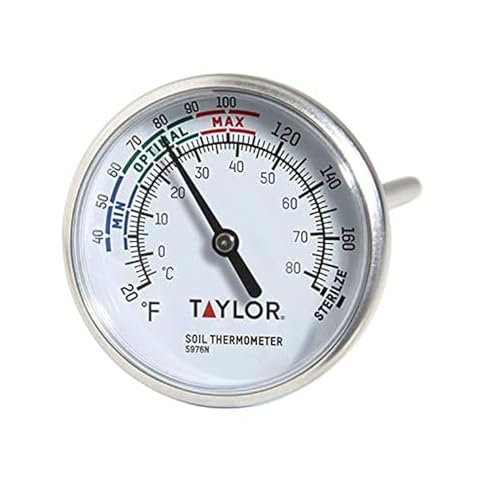
PRECISE SOIL TEMPERATURE READINGS: Measures soil temperatures from 20 degrees F to 180 degrees F (0 degrees C to 80 degrees C) with a large, easy-to-read analog dial face - no batteries or digital screens needed for reliable results every time

4 Popular Heirloom Lettuce Varieties: Includes Red Romaine, Bibb Butterhead, Black Seeded Simpson, and Green Ice lettuce seeds to grow crisp, tender, and colorful salad greens with balanced flavor, texture, and visual appeal.

USDA Certified Organic by Oregon Tilth
Soil Temperature
Soil temperature plays a crucial role in germination. Ideal soil temperatures for lettuce seeds range from 60°F to 70°F (15°C to 21°C). When the temperature is within this range, germination occurs in about 7 to 10 days. Lower temperatures can delay sprouting, while higher temperatures above 75°F (24°C) may hinder germination altogether. Use a soil thermometer to monitor these temperatures accurately.
Moisture Levels
Moisture levels significantly impact germination speed. Lettuce seeds require consistently moist soil to sprout effectively. Aim for soil that’s damp but not soggy. Water the soil thoroughly before planting, then maintain moisture with regular, light watering. If the soil dries out, you risk delaying or preventing germination.
Seed Quality
Seed quality influences sprouting success. Fresh, viable seeds produce stronger sprouts. Purchase seeds from reputable suppliers and check for expiration dates. Conduct a germination test by placing a few seeds between damp paper towels; if at least 80% sprout within a week, the seeds are likely good to plant. Use healthy, robust seeds to ensure a successful growing season.
Average Sprouting Time for Lettuce
Lettuce seeds typically sprout within a specific timeframe, depending on several factors, including variety and environmental conditions. Understanding these timelines helps you plan your gardening efforts effectively.
Recommended Products

High Germination Rate: Enjoy a plentiful harvest with our Romaine Lettuce seed pod featuring excellent germination. Fresh, reliable seeds sourced from USA ensure quick sprouting and healthy growth.

Complete Lettuce Garden Starter Kit Indoor – 5 heirloom salad and green seed packets, 8 biodegradable soil disks, 8 plant markers, and 8 starter pots. Romaine, Spinach, Arugula, Kale and Buttercrunch lettuce heirloom seeds are the star of the set!

Heirloom Non-GMO Seeds: seed pod kit contains 6 kinds of lettuce seeds, they are Red&Green Leaf Lettuce, Romaine, Butter Head, Bibb Lettuce, Boston Lettuce, Buttercrunch Lettuce. Various kinds of lettuce seeds, each one is rich in nutritional value. 100% Non-GMO, open pollinated
General Timeframe
Lettuce seeds generally take between 5 and 14 days to sprout. When conditions are ideal—proper temperature, moisture, and light—you’ll notice quicker germination times. For instance, if soil temperatures stay between 60°F to 70°F (15°C to 21°C), sprouts often appear within 7 to 10 days. In contrast, temperatures below 60°F (15°C) slow down the process, pushing germination closer to the 14-day mark.
Comparison of Varieties
Different varieties of lettuce showcase varying sprouting times. Here’s a quick overview:
| Lettuce Variety | Typical Germination Time |
|---|---|
| Romaine | 7-12 days |
| Butterhead | 7-10 days |
| Leaf | 5-10 days |
| Crisphead | 8-14 days |
Each variety brings its unique qualities, influencing how and when you can harvest. If you prefer faster-growing options, Leaf and Butterhead varieties are ideal choices. Conversely, Crisphead types may take longer but often yield crisp and hearty heads. Choose your varieties based on how quickly you want to harvest fresh greens.
Tips for Successful Sprouting
Successful sprouting of lettuce seeds requires attention to detail and proper care. Following these guidelines enhances your chances of achieving vibrant growth.
Recommended Products
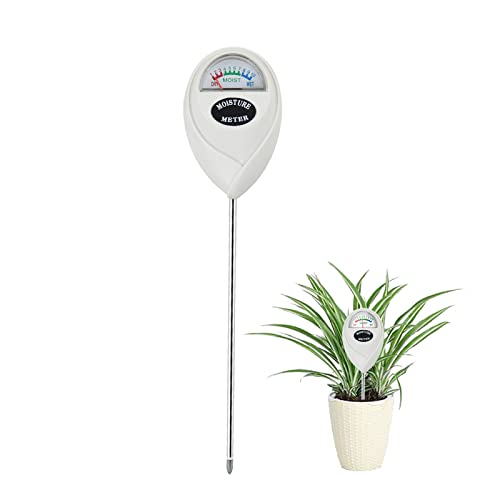
【SAVE YOUR PLANTS】: Over watering can cause problems with your plants or even kill them. This soil moisture meter helps you know the soil is dry, moist or wet.No more over watering!
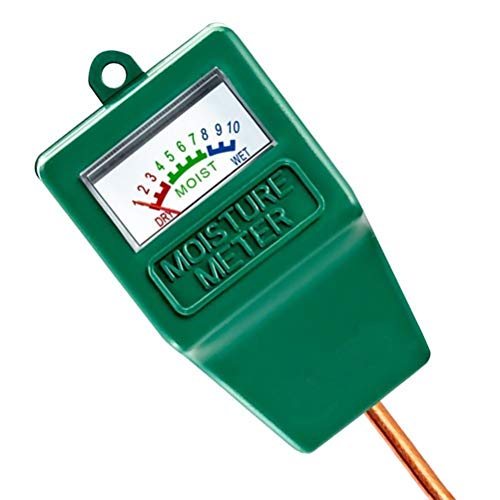
Soil Moisture Meter: This single probe soil moisture meter is specially designed for testing the moisture level in the soil, helps you decide whether the plants need water or not, helps to keep plants alive.

Accurate Soil Moisture Detection: Quickly know whether your soil is dry, moist, or wet below the surface. This soil moisture meter provides accurate readings that eyes or fingers alone cannot detect, helping you water plants at the right time
Soil Preparation
Prepare your soil carefully. Use a well-draining potting mix, preferably with organic matter to retain moisture. Ensure the soil is loose and crumbly, allowing air circulation around the seeds. To test the drainage, moisten the soil; if excess water pools on the surface, amend it with sand or compost. Aim for a soil pH between 6.0 to 7.0 for optimal seed growth. This balanced pH supports nutrient availability, promoting stronger sprouts.
Watering Techniques
Water your lettuce seeds properly. Keep the soil consistently moist, but avoid soaking it. Use a spray bottle or a gentle watering can to distribute water evenly. Monitor soil moisture daily, ensuring it never dries out completely. If the top layer appears dry, provide a light mist. For larger setups, implementing a drip irrigation system can help maintain consistent moisture without oversaturating the soil. Aim for moisture levels close to 70% for ideal sprouting conditions.
Conclusion
Growing your own lettuce can be a rewarding experience. By understanding the sprouting timeline and factors that influence it you can set yourself up for success. Remember to pay attention to soil temperature moisture levels and seed quality.
With the right conditions your lettuce seeds will sprout in no time. Whether you choose Leaf Butterhead Romaine or Crisphead you’ll be able to enjoy fresh greens right from your garden. Happy gardening and enjoy the delicious rewards of your efforts!
Frequently Asked Questions
How long do lettuce seeds take to sprout?
Lettuce seeds typically sprout within 5 to 14 days, depending on the variety and environmental conditions. For instance, Leaf lettuce can sprout in as little as 5 days, while Crisphead lettuce may take up to 14 days. Understanding these timelines can help in planning your garden effectively.
What factors affect lettuce seed germination?
Key factors affecting lettuce seed germination include soil temperature, moisture levels, light exposure, and seed quality. Ideal soil temperature is between 60°F to 70°F (15°C to 21°C), while consistent moisture is crucial for effective germination.
What is the ideal soil temperature for germinating lettuce seeds?
The ideal soil temperature for germinating lettuce seeds is between 60°F to 70°F (15°C to 21°C). Temperatures below 60°F can delay sprouting, while temperatures above 75°F (24°C) may hinder germination altogether.
How should I water lettuce seeds for optimal growth?
To water lettuce seeds effectively, keep the soil consistently moist but not oversaturated. Use gentle methods like a spray bottle or drip irrigation to maintain moisture levels around 70%. This ensures proper seed germination and healthy seedling growth.
What is the best soil type for growing lettuce?
A well-draining potting mix enriched with organic matter is ideal for growing lettuce. The soil should also be loose to allow for good air circulation and retain moisture. Aim for a soil pH between 6.0 and 7.0 for optimal growth conditions.
How does seed quality impact germination?
Seed quality plays a crucial role in germination success. Fresh, viable seeds from reputable suppliers are essential for robust sprouting. Conducting a germination test beforehand can help ensure you’re using strong seeds for your garden.
Can I grow different types of lettuce together?
Yes, you can grow different types of lettuce together, but be aware of their varying germination times. For example, Leaf lettuce sprout faster compared to Crisphead. This allows for a staggered harvest, providing fresh greens at different times.
What are some tips for successful lettuce sprouting?
For successful lettuce sprouting, ensure proper soil preparation by using a well-draining mix and enriching it with organic matter. Maintain consistent moisture and use gentle watering techniques. Additionally, provide adequate light exposure for healthy seedling growth.
