

Have you ever wondered if your homegrown lettuce is ready to pick? It can be tricky to tell, especially when you’re excited to enjoy that fresh taste in your salads. You might have found yourself second-guessing your instincts, unsure if those vibrant leaves are at their peak.
Key Takeaways
- Understand Growth Stages: Familiarize yourself with the germination and vegetative phases, which last roughly 7 to 12 days and 3 to 6 weeks, respectively.
- Look for Size and Texture: Harvest lettuce when leaves are 6 to 8 inches tall and feel crisp and firm, avoiding floppy or wilted leaves.
- Monitor Color: Choose healthy leaves exhibiting vibrant green hues, and be cautious of yellowing or browning that indicates overripeness.
- Optimal Harvesting Time: Harvest in the morning or late evening to preserve moisture and freshness, avoiding the heat of the day.
- Avoid Early Harvesting: Picking lettuce before it fully matures results in subpar flavor and texture; ensure leaves have developed properly.
- Watch for Overgrowth: Recognize signs of bolting, such as flower stalks and yellowing leaves, to prevent your lettuce from becoming bitter.
Understanding Lettuce Growth Stages
Knowing the growth stages of lettuce helps you determine the right time to harvest your plants. Each stage brings specific indicators of readiness.
Germination Phase
Germination lasts about 7 to 12 days, depending on the variety and conditions. You’ll notice the seeds swell and eventually burst open. Small, tender sprouts will emerge from the soil during this time. Keep the soil consistently moist to support healthy growth.
Vegetative Phase
The vegetative phase occurs around 3 to 6 weeks after germination. During this stage, you’ll see rapid leaf growth. Plants will develop a rosette shape, with leaves arranged in a circular pattern. Look for healthy, vibrant green color and size. For most lettuce varieties, the ideal harvest time starts at roughly 6 to 8 inches tall, just before bolting.
Signs of Harvest-Ready Lettuce
Recognizing when your lettuce is ready for harvest involves observing several key indicators. Look for the following signs to ensure you pick your lettuce at its peak freshness.
Recommended Products

K115 Crop Harvest Knife, 7.25-Inch Blade, is designed for trimming lettuce, greens, and soft-stemmed vegetables.
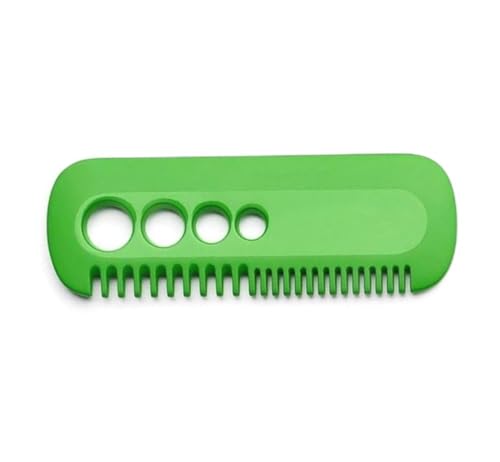
👍👍👍VERSATILE DESIGN: 8 different sized holes for efficiently stripping herbs and leafy greens of various sizes including kale, chard, collard greens, and thyme

✨✨✨VERSATILE DESIGN: Efficiently strips leaves from herbs and vegetables including kale, chard, collard greens, and thyme with multiple sized holes
Leaf Size and Texture
Check for leaf size and texture. Harvest lettuce when the leaves reach a height of 6 to 8 inches. At this stage, the leaves should feel crisp and firm to the touch. If the leaves appear floppy or wilted, they may be past their prime. For varieties like romaine, you want the outer leaves to grow fuller while remaining tender. For loose-leaf types, a robust, leafy appearance signals readiness.
Color Indications
Pay attention to color indications. Harvest your lettuce when the leaves exhibit rich, vibrant green hues. This indicates they are healthy and full of nutrients. If you notice a yellowing or browning of the leaves, it’s a sign that they might be overripe or stressed. Some varieties even display slight reddish or purple tinges, particularly at the edges; this can indicate a flavor enhancement but should still be harvested before they bolt.
By observing these signs closely, you can confidently enjoy your freshly harvested lettuce in your meals.
Optimal Harvesting Techniques
Harvesting lettuce at the right time enhances its flavor and texture. Follow these techniques to ensure a successful harvest.
Recommended Products
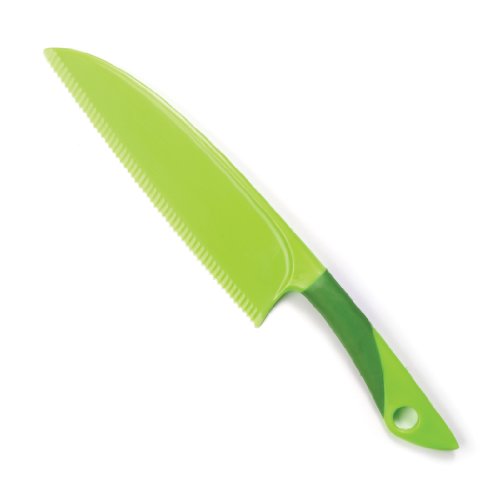
Non-slip, soft grip handle
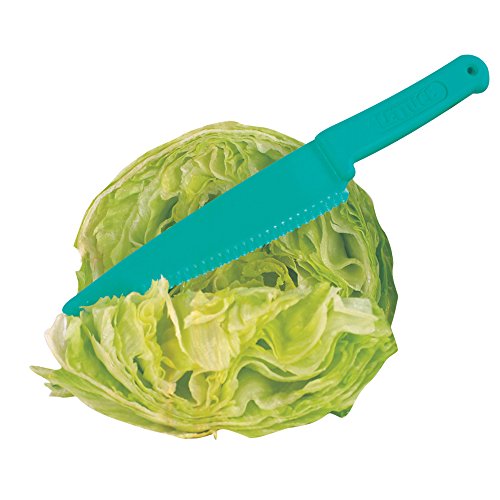
DURABLE DESIGN: Constructed from long-lasting and heat-resistant polystyrene plastic.

PREVENTS LETTUCE & SALAD BROWNING: Durable polystyrene plastic blade cuts cleanly through delicate greens, romaine, and cabbage without oxidizing cut edges, keeping tossed salads fresher and crisper longer.
Tools Needed
- Sharp Knife or Scissors: Use a clean knife or scissors to cut the lettuce heads without damaging the surrounding plants.
- Garden Gloves: Protect your hands from dirt and moisture while handling the plants.
- Harvest Basket: Gather your lettuce without bruising or crushing the leaves. A basket allows for proper air circulation.
- Water for Rinsing: After cutting, rinse your lettuce to remove soil and pests for a fresh taste.
- Morning: Harvesting in the morning when temperatures are cooler ensures maximum moisture retention in the leaves.
- Late Evening: If mornings aren’t feasible, late evening can also be effective, as the sun’s heat decreases, preserving freshness.
- Avoid Hot Days: Don’t harvest during the peak heat of the day. High temperatures can lead to wilting and loss of flavor.
Common Mistakes to Avoid
Avoiding mistakes in your lettuce harvesting process can enhance your gardening experience. Here are some common pitfalls to steer clear of:
Harvesting Too Early
Harvesting your lettuce too early can lead to disappointment. When you pick leaves before they fully develop, you miss out on their optimal flavor and texture. Aim for a height of 6 to 8 inches before cutting. If you’re eager, consider leaving some plants a bit longer to see the difference in taste. Always check for crisp leaves and firm textures; premature harvesting often yields soft, less appealing lettuce.
Not Recognizing Overgrowth
Failing to recognize overgrowth can spoil your crop. Once lettuce plants bolt, they become bitter and less enjoyable. Watch for flower stalks, as this indicates the plant has entered the flowering stage. If you notice leaves turning yellow or flowers starting to form, it’s time to harvest. Act quickly! Overripe lettuce can detract from your dish’s flavor, so pick them as soon as you spot these signs to maintain freshness.
Conclusion
Knowing when to harvest your lettuce can be a rewarding experience. By paying attention to the growth stages and key indicators like leaf size color and texture you can ensure your lettuce is at its peak. Remember to use the right tools and techniques for a successful harvest.
Keep an eye out for signs of overgrowth and avoid picking too early to enjoy the best flavor and crispness. With a little patience and observation you’ll be able to savor the fresh taste of your homegrown lettuce in no time. Happy gardening!
Frequently Asked Questions
When is homegrown lettuce ready to harvest?
Homegrown lettuce is typically ready to harvest when it reaches a height of 6 to 8 inches, usually around 3 to 6 weeks after germination. Look for firm, crisp leaves and vibrant green color. Waiting too long can lead to bolting, which makes the lettuce bitter.
How long does it take for lettuce seeds to germinate?
Lettuce seeds usually take about 7 to 12 days to germinate. During this phase, it’s crucial to keep the soil moist to encourage healthy sprout development.
What are the signs that lettuce is overripe?
Overripe lettuce shows yellowing or browning leaves and may start to bolt, indicated by flowering. These signs suggest it’s time to harvest to avoid a bitter taste.
What is the best time of day to harvest lettuce?
The best time to harvest lettuce is in the morning or late evening. This helps maximize moisture retention and maintains flavor, avoiding wilting that can occur during peak heat.
What tools are best for harvesting lettuce?
Using a sharp knife or scissors is recommended for harvesting lettuce. This method minimizes damage to surrounding plants and ensures a clean cut for better flavor and texture.
