

Are you eager to grow your own fresh lettuce but unsure when to get started? Timing is everything in gardening, and knowing the right temperature to plant lettuce can make all the difference in your success.
Key Takeaways
- Optimal Temperature Range: Lettuce grows best in temperatures between 60°F and 70°F for ideal growth, while germination occurs at 40°F to 85°F.
- Types of Lettuce: Different varieties like butterhead, romaine, iceberg, and leaf lettuce thrive under varying temperature conditions, with some preferring cooler climates.
- Soil and Air Temperature Importance: Soil temperatures between 45°F and 85°F are crucial for seed germination, while air temperatures exceeding 75°F can lead to bolting or bitterness in lettuce.
- Timing for Planting: Plant lettuce seeds when soil temperatures stabilize around 60°F, typically in early spring or late summer, to ensure optimal growth conditions.
- Frost Awareness: Plant after the last expected frost date in your area, and use protective measures like row covers if late frost is forecasted to protect young plants.
- Avoid Common Mistakes: Refrain from planting too early, and be mindful of local weather patterns to prevent stress on your lettuce plants.
Understanding Lettuce Growth
Lettuce growth hinges on temperature and climate conditions. Knowing the optimal conditions for different lettuce types enhances your gardening success.
Different Types of Lettuce
- Butterhead Lettuce: Soft, tender leaves with a sweet flavor, grows best in cool temperatures.
- Romaine Lettuce: Crisp and sturdy, it thrives in slightly warmer temperatures compared to butterhead.
- Iceberg Lettuce: Known for its crunchy texture, it prefers cooler conditions but can tolerate some warmth.
- Leaf Lettuce: Fast-growing and versatile, this type does well in cool weather but also adapts to mild heat.
Ideal Temperature Ranges for Lettuce
Lettuce prefers temperatures between 60°F and 70°F. Seed germination occurs at 40°F to 85°F, while optimal growth takes place within this narrower range.
| Temperature (°F) | Growth Stage | Effects |
|---|---|---|
| 40-50 | Germination | Slow, uneven growth |
| 50-60 | Young Plants | Good growth, minimal stress |
| 60-70 | Optimal Growth | Ideal conditions, lush, sweet leaves |
| 70+ | Bolt Risk | Plants may bolt or go to seed, losing flavor |
Plant your seeds or transplants when temperatures stabilize in these ranges. Avoid planting too early in the spring or too late in the summer for best results. Adjust the planting schedule based on your local climate to ensure healthy, productive lettuce.
Factors Affecting Planting Temperature
Several factors influence the optimal temperature for planting lettuce. Understanding these elements helps you create the best environment for growing your lettuce successfully.
Recommended Products

PRECISE SOIL TEMPERATURE READINGS: Measures soil temperatures from 20 degrees F to 180 degrees F (0 degrees C to 80 degrees C) with a large, easy-to-read analog dial face - no batteries or digital screens needed for reliable results every time

Easy-to-read green, yellow, and red tick marks for easy monitoring
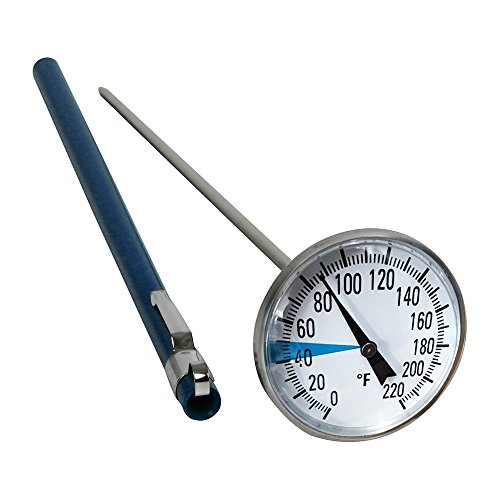
PRACTICAL SOLUTION - While other Soil Thermometers can’t tell the correct temperature, fogs up, and get broken easily, our soil thermometer has high precision performance, high-visibility, and is designed to last
Soil Temperature
Soil temperature significantly impacts seed germination and root development. Lettuce seeds germinate well when soil temperatures range between 45°F and 85°F. Aim for a temperature around 60°F for optimal growth. You can use a soil thermometer to check temperatures before planting. If soil is too cool, consider using row covers to warm the soil before planting. Conversely, if temperatures are too high, plant your seeds deeper in the cool soil or wait for cooler conditions.
Air Temperature
Air temperature affects lettuce growth directly. Ideal air temperatures for lettuce cultivation lie between 60°F and 70°F. When daytime temperatures exceed 75°F, lettuce may bolt or become bitter. For early spring planting, wait until nighttime temperatures consistently stay above 40°F. If you experience early summer heat, consider growing shade cloth to protect your plants during peak sun hours, ensuring they stay healthy and productive.
Frost Risk
Frost poses a risk to young lettuce plants. Though lettuce can tolerate light frost, hard frost can damage or kill them. Plant your lettuce after the last expected frost date in your area. You can consult local gardening resources for frost dates specific to your region. If a late frost is predicted, use floating row covers to shield your plants. Be proactive in monitoring forecasts as you approach planting time to safeguard your young plants.
Best Practices for Planting Lettuce
Planting lettuce requires careful attention to timing and soil preparation. Following these best practices will promote healthy growth and a bountiful harvest.
Recommended Products
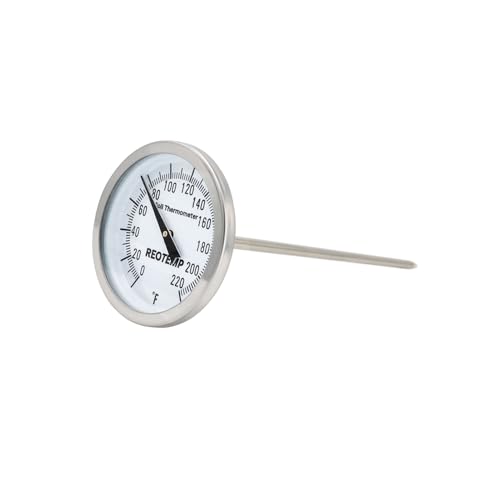
Corrosion Resistant 304 Stainless Steel Case, Bezel and 5" Stem

LARGE COMPOST THERMOMETER: An easy to read compost soil thermometer with a 295mm probe length and 50mm dial diameter with recommended temperature zones
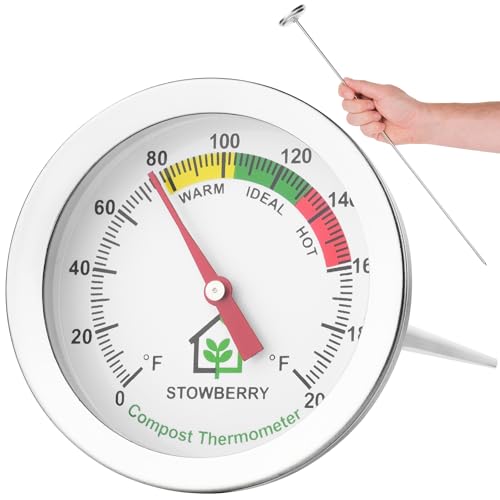
COMPOST THERMOMETER FOR ACCURATE TEMPERATURE MONITORING: Easily track compost temperature levels with this 20 Inch stainless steel probe that reaches deep into piles for precise core readings
Timing Your Planting
Understanding when to plant is crucial for success. Monitor local temperatures closely. Aim to plant lettuce when soil temperatures reach around 60°F. This timing encourages optimal seed germination and root establishment. Typically, you can start planting seeds indoors 4 to 6 weeks before the last frost date. For outdoor planting, wait until soil temperatures consistently remain between 60°F and 70°F to ensure robust growth.
Consider using a soil thermometer for precise measurements. Additionally, planting in early spring or late summer offers the best results, as these seasons tend to provide the ideal conditions for lettuce.
Preparing the Soil
Preparing your soil sets the foundation for your lettuce plants. Begin by choosing a location with well-draining soil that receives ample sunlight, ideally 6 to 8 hours daily. Test your soil pH, aiming for a range of 6.0 to 7.0.
Incorporate organic matter into the soil, such as compost or aged manure, to boost fertility and improve structure. When working the soil, break up any large clumps to ensure a fine seedbed allowing easy seed-to-soil contact.
Prior to planting, rake the area smooth. Create shallow rows or furrows for planting seeds or transplants. For direct sowing, space your seeds about 12 inches apart to prevent overcrowding. Adding a layer of mulch after planting can help retain moisture and suppress weeds.
Common Mistakes to Avoid
Avoiding common pitfalls can significantly improve your lettuce-growing success. Here are key mistakes to steer clear of when planting lettuce.
Planting Too Early
Planting too early can jeopardize your lettuce crop. Soil temperatures below 45°F hinder seed germination, leading to poor sprout rates. If you plant lettuce before soil warms to around 60°F, you risk stunted growth. Pay attention to local weather forecasts and resist the temptation to start too soon. Aim for planting when overnight lows are consistently above 40°F to optimize germination.
Ignoring Weather Patterns
Ignoring local weather patterns leads to unfavorable conditions for your lettuce. Sudden temperature fluctuations can stress plants, causing them to bolt or develop bitterness. Monitor the forecast, especially for frost warnings, and adjust your planting schedule accordingly. You can use row covers if an unexpected frost threatens young seedlings. Always plan around the first and last frost dates specific to your area to ensure steady growth.
Conclusion
Getting the timing right for planting lettuce can make all the difference in your garden. By paying attention to soil and air temperatures you can set your plants up for success. Remember to wait until conditions are just right and keep an eye on local weather patterns.
With a little patience and care your lettuce will thrive and reward you with fresh greens. So gear up for your planting adventure and enjoy the delicious results of your hard work. Happy gardening!
Frequently Asked Questions
Recommended Products

Product Features: Our plant covers are ideal for protecting all plant. Made from premium 1 oz/sq non-woven fabric, their durability and breathability ensuring both insulation against frost and facilitation of sunlight penetration for healthy plant growth

※Big Size to cover large area : The size of our plant cover is 10x30ft, the size can cover large areas. You can cut the plant covers freeze protection into different sizes for different use. You can cover it over the plant such as shrub tomato, pepper, pumpkin, and so on.

[1.5oz/yd² Frost Cloth for Plant Freeze Protection]Made with 1.5oz/yd² per sq yd garden fabric, this frost cloth helps protect plants from frost, cold wind, and sudden temperature drops while allowing sunlight, air, and moisture to pass through.
When is the best time to plant lettuce?
The best time to plant lettuce is when soil temperatures consistently reach around 60°F, typically starting seeds indoors 4 to 6 weeks before the last frost date. For outdoor planting, aim for temperatures between 60°F and 70°F to support optimal growth.
What temperature range is ideal for lettuce growth?
Lettuce thrives best in temperatures between 60°F and 70°F. Temperatures exceeding 75°F can lead to bolting or bitterness, while soil temperatures should ideally be around 60°F for optimal germination and root development.
What are the different types of lettuce?
The main types of lettuce include Butterhead, Romaine, Iceberg, and Leaf Lettuce. Each type has specific temperature preferences and growth requirements, so understanding these can enhance gardening success.
How does soil temperature affect lettuce?
Soil temperature significantly impacts seed germination and root development. For optimal growth, the soil temperature should be around 60°F to ensure healthy seed germination and robust plant growth.
What should I do to protect lettuce from frost?
To protect lettuce from frost, plant after the last expected frost date. If a late frost is predicted, use protective measures like floating row covers to safeguard young plants.
What mistakes should I avoid when planting lettuce?
Avoid planting lettuce too early when soil temperatures are below 45°F, as this can hinder germination and growth. Monitor local weather patterns closely to adjust planting schedules and prevent stress on the plants.
How should I prepare soil for planting lettuce?
Prepare the soil by choosing a well-draining location with ample sunlight. Test the soil pH, incorporate organic matter to enhance fertility, and ensure the soil temperature reaches around 60°F before planting.
How can I improve lettuce growth?
To improve lettuce growth, monitor temperatures, ensure proper soil preparation, and use mulch to retain moisture. Create a fine seedbed and space seeds appropriately for optimal airflow and growth.
